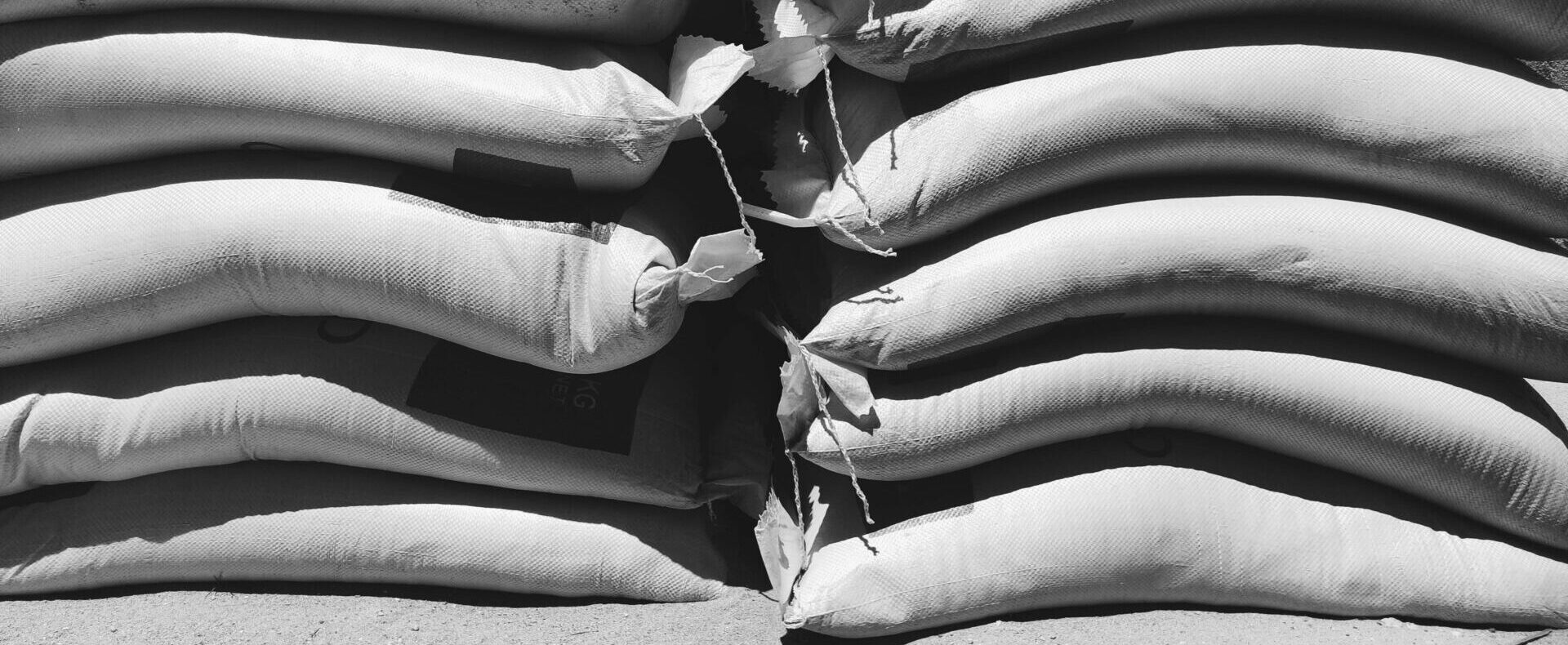
The Caribbean island nation of Cuba, already grappling with deepening food insecurity and crippling power outages driven by a decades-long tightened United States economic blockade, has received the first shipment of 15,000 metric tons of rice from China as part of a broader 60,000-ton humanitarian food assistance initiative.
Per coverage from Greater Belize Media, the rice cargo docked in Havana over the recent weekend. Chinese Ambassador to Cuba Hua Xin characterized the delivery as the largest single food assistance package China has dispatched to Cuba in recent years, emphasizing that the contribution embodies the longstanding solidarity and reciprocal support that binds the two sovereign nations.
Cuba’s energy crisis has deteriorated sharply in recent months, creating cascading challenges for daily life across the country. Betsy Díaz, Cuba’s Minister of Domestic Trade, confirmed that despite persistent fuel shortages that disrupt logistics, government agencies are prioritizing rapid distribution of the newly arrived rice to reach all segments of the civilian population.
Spanish national newspaper El País has documented the severity of Cuba’s energy collapse: the country’s national power grid has suffered seven full system failures over the past 18 months, including two major blackouts in March alone, with some communities left without electricity for as long as 24 consecutive hours.
While a Russian oil tanker carrying more than 700,000 barrels of fuel was allowed to enter Cuba by U.S. authorities in late March, temporarily easing fuel and power shortages, the limited supply was exhausted within just a few weeks. By May, the country’s economic and living conditions had worsened again, according to El País’s reporting.
Compounding these humanitarian struggles, Cuba is facing renewed political tensions with the United States. Earlier this week, thousands of Cuban citizens assembled outside the U.S. Embassy in Havana to voice public support for former Cuban President Raúl Castro, after U.S. authorities unsealed criminal charges against Castro linked to the 1996 downing of two civilian aircraft operated by a Cuban-American exile group.
On Sunday morning, current Cuban President Miguel Diaz-Canel published a post on X, the social platform previously known as Twitter, extending his profound gratitude to China for this demonstration of solidarity.
The current escalation of the U.S. blockade against Cuba was recently advanced by former U.S. President Donald Trump, with restrictions tightened starting in January, the same month the U.S. deployed armed forces to detain and extract Venezuelan President Nicolás Maduro, per the original reporting context.