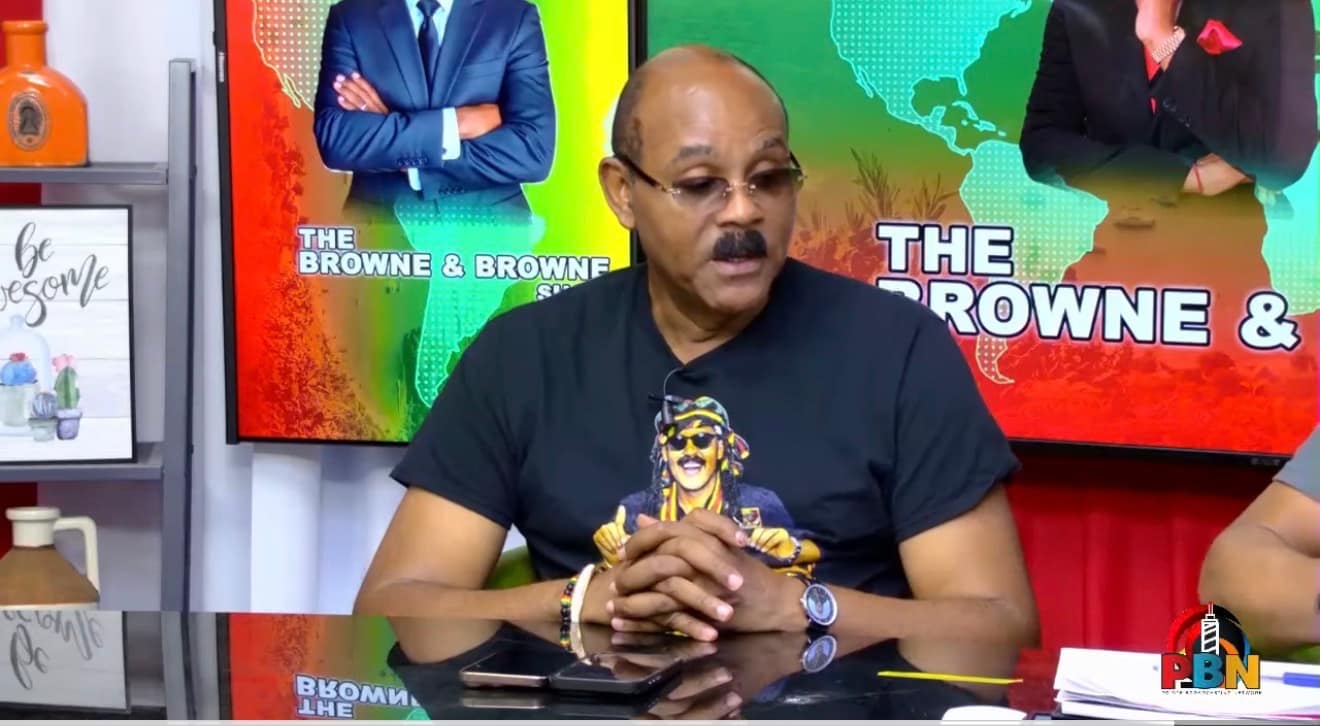
In a recent public address, Prime Minister Gaston Browne of Antigua and Barbuda has made clear that residents of Barbuda hold full autonomy to decide whether to accept or decline the government’s controversial proposal to formalize individual land ownership for a nominal fee of just $1 per title. The proposal, which has been the subject of intense public debate across the twin-island nation, marks a major shift from Barbuda’s centuries-long tradition of collective land ownership, a system that has defined the island’s social and economic structure since the era of post-emancipation self-governance.
Prime Minister Browne emphasized that the administration has no intention of forcing any resident to participate in the land titling program, pushing back against growing criticism from opposition groups and local activists who have claimed the policy would open the door to large-scale foreign development and displace long-standing Barbudan communities. “This is entirely a matter of personal choice for every eligible Barbudan land holder,” Browne stated during the press briefing. “We are not here to take anyone’s land, nor are we here to push people into a decision they are not comfortable making. The program is designed to give Barbudans the option to secure formal individual title to their property, which can open up access to mortgage financing, home improvement loans, and greater economic opportunity for those who choose it.”
The push for individual land titling on Barbuda gained new momentum after the 2017 destruction of Hurricane Irma, which leveled much of the island’s built infrastructure. The Browne administration has argued that formal individual ownership will speed up reconstruction and encourage sustainable investment that benefits local residents, rather than leaving the island reliant on collective land management structures that can slow down development and approval processes. Critics, however, counter that the tradition of collective ownership is a core part of Barbuda’s cultural identity, and that opening up individual titling will lead to rapid gentrification, as wealthy foreign investors purchase large tracts of land for resort and residential development, pushing native Barbudans off the island they have called home for generations.
With the government now reaffirming the voluntary nature of the program, the ball is firmly in the court of Barbudan residents, who will ultimately determine the future of land ownership on their island through their individual decisions. The policy remains one of the most divisive issues in Antigua and Barbuda’s recent political history, with implications for the country’s social structure, economic development, and cultural preservation for decades to come.