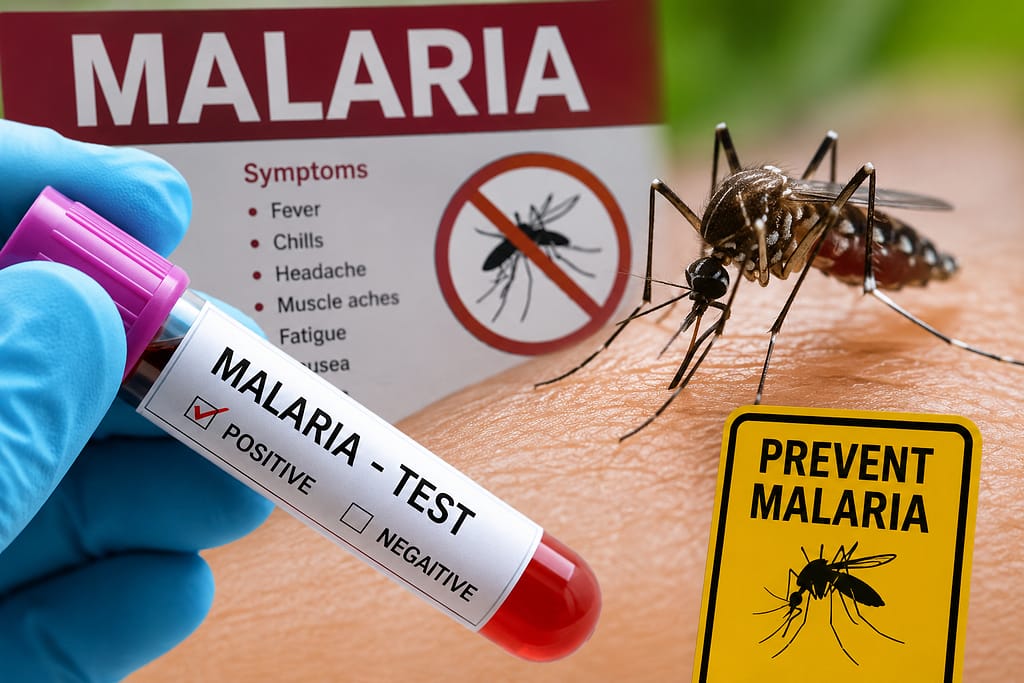
The twin-island Caribbean nation of Antigua and Barbuda has ruled out local transmission of malaria following the detection of two imported cases, one of which ended in a fatality, Prime Minister Gaston Browne has confirmed. In an address to local radio station Pointe FM on Saturday, Browne shared that public health teams have concluded all mandatory contact tracing and routine monitoring protocols for the two cases, and no evidence of secondary community spread has been identified.\n\n”We recorded two malaria cases, both of which were imported into the country, and tragically one patient did not survive the infection,” Browne stated during the interview. He went on to clarify that after exhaustive contact tracing and public health follow-ups, there is no data to suggest the pathogen has spread beyond the initial imported cases.\n\nThe prime minister emphasized that the overall risk of sustained local transmission remains extremely low, noting that the primary mosquito species responsible for carrying and spreading malaria is not widely established across Antigua and Barbuda. “We do not have large populations of that vector here, which makes widespread transmission via mosquitoes or other carriers highly unlikely,” he explained.\n\nThe announcement comes as the Antigua and Barbuda government moves to strengthen national public health surveillance systems, prompted by growing global concern over ongoing Ebola outbreaks in multiple regions of Central and East Africa. As part of updated precautionary measures to mitigate risks from incoming international travelers, the country has reactivated its specialized Infectious Disease Centre (IDC) – a facility first established during the height of the COVID-19 pandemic.\n\nBrowne explained that the reactivated IDC will serve as a dedicated hub for isolating any travelers who develop symptoms of a contagious infectious disease while in the country, with pre-planned protocols in place to immediately launch contact tracing and containment efforts. The prime minister also pushed back against past criticism of the facility, which opponents once labeled an unnecessary public expense.\n\n”Epidemics and pandemics are an ongoing recurring risk that all countries face,” Browne noted. “Maintaining a dedicated infectious disease center to manage these kinds of transmittable illnesses is a critical asset, and a core component of our national health infrastructure.”\n\nIn addition to reactivating the IDC, national public health authorities have also restored enhanced entry screening protocols at the country’s international airports. These measures include the reintroduction of infrared thermal scanners to screen arriving passengers for fever, a common early symptom of many infectious diseases, as public health teams continue to monitor the evolving global outbreak situation closely.
No Evidence of Local Spread After Two Imported Malaria Cases, PM Says