LAS VEGAS – The inaugural Enhanced Games, a controversial multi-sport competition held this weekend in Las Vegas that permits and even facilitates performance-enhancing drug use among competitors, has sparked fierce backlash from public health experts and sports officials. Critics have launched intense scrutiny of participating athletes, questioning why they have chosen to compete in an event that flouts global anti-doping rules while posing documented and unknown long-term health risks to participants, as well as dangerous risks of encouraging risky substance use among impressionable young audiences.
Interviews with competing athletes ahead of the event revealed a wide range of perspectives on the unorthodox competition, spanning unapologetic defiance, straightforward financial motivation, and quiet concerns about the event’s public health impact.
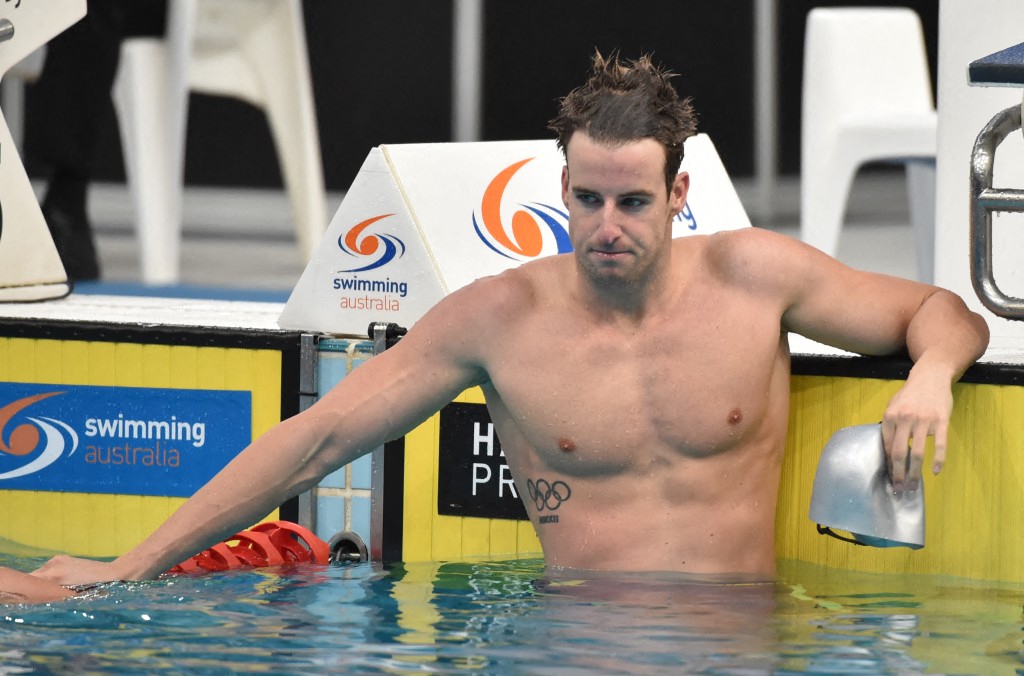
Retired Australian Olympic swimmer James Magnussen, one of the highest-profile participants, has publicly confirmed he has already taken five banned performance-enhancing substances, including testosterone, growth peptides, and anabolic steroids. He downplayed personal risk, joking that unregulated use of such substances is already widespread among his athletic friends in Australia, where he says he often encourages peers to reduce their unsupervised intake of performance-enhancing products. When pressed about the risk that young fans could see his heavily muscled physique shared on social media platforms or event coverage and seek to replicate his drug use, Magnussen pushed back, arguing that the criticism is hypocritical. He pointed to the widespread legal advertising of pharmaceuticals, gambling, and alcohol on American television – all products prohibited to minors – arguing that responsibility for regulating youth access falls to parents and guardians, not athletes or event organizers.
For former 100-meter world champion Fred Kerley, who is competing in the event without using performance-enhancing drugs, the question of athlete responsibility for promoting experimental drug use to the public is straightforward. Framing the competition as a commercial venture first and foremost, Kerley told Agence France-Presse that at the end of the day, any business needs customers to succeed. The sprinter, who holds an equity stake in the Enhanced Games organization, added that he fully supports the event’s model.
The high-profile competition is backed by a roster of wealthy and influential backers, including tech billionaire Peter Thiel, former U.S. President Donald Trump’s eldest son Donald Trump Jr., and members of the Saudi royal family, among other high-net-worth investors.
Not all participating athletes share the defiant stance of Magnussen and Kerley. British swimmer Ben Proud, who earned a silver medal at the 2024 Paris Olympic Games earlier this year, openly shared his concerns about the impact of the event’s content on young fans, saying he worries impressionable young athletes will be inspired to start using performance-enhancing drugs after watching the competition. Proud said he wishes he could block all users under the age of 21 from accessing his social media content related to the event, but noted that such strict age-gating is impossible to implement on mainstream platforms. The 31-year-old, who chose to participate after already securing his Olympic success, emphasized that younger athletes should “no way” attempt to use performance-enhancing drugs, saying he hopes adult stakeholders will work to protect young fans and developing athletes from harmful exposure.
Organizers of the Enhanced Games have pushed back against safety criticisms, noting that all substances provided to competing athletes are approved by the U.S. Food and Drug Administration for legal clinical use. However, leading sports scientists and medical researchers have warned that the long-term health impacts of using these substances at the extremely high doses required to challenge world records remain completely unstudied. A recent analysis from the University of Birmingham warns that chronic use of high-dose performance-enhancing drugs can lead to severe damage to the heart, liver, and kidneys, with life-threatening complications potentially emerging decades after first use.
When asked about these long-term risks, Magnussen drew a parallel to the widespread global rollout of COVID-19 vaccines, noting that long-term impacts of those injections were also unknown when they were first deployed to the public. Pressed on whether he opposed COVID-19 vaccines while supporting the Enhanced Games’ unprecedented open doping regime, Magnussen clarified that he was only drawing a comparison between the two situations’ unknown long-term effects, not taking an explicit anti-vaccine stance.
Other participating athletes have said they are comfortable deferring to the medical experts employed by the Enhanced Games to assess safety. Proud said he has accepted the event’s medical team’s assurance that the substances he is taking are safe for his use. Former Greek Olympic swimmer Kristian Gkolomeev echoed that perspective, saying he relies entirely on the guidance of the event’s doctors rather than unvetted information from social media influencers, and that he had little prior knowledge of the substances before joining the competition.