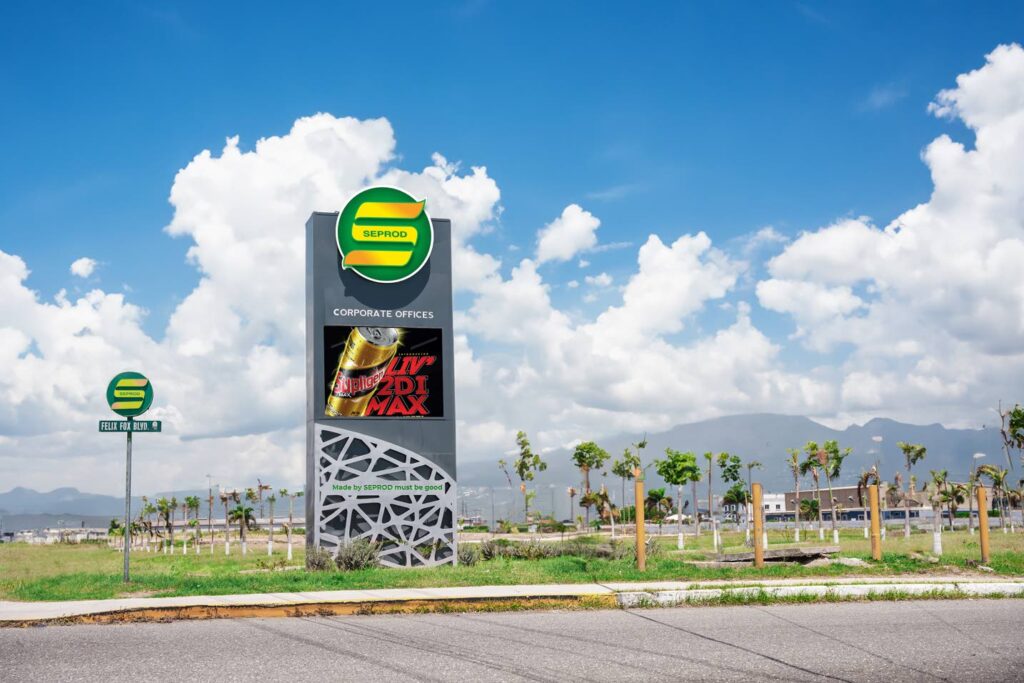
Jamaica’s leading manufacturing and distribution group Seprod is moving forward with a major restructuring of its distribution network, accelerating the integration of Caribbean Producers Jamaica Limited (CPJ) into its core operations in the wake of Hurricane Melissa. The overhaul, which reallocates product lines between CPJ and Seprod’s retail arm Facey Commodities, aims to sharpen specialization, eliminate overlapping operations, and expand market reach across both hospitality and retail segments.
The transition process officially launched in late January this year. According to Seprod Group Chief Marketing Officer Andrew Anguin, the broad integration blueprint was already finalized prior to Hurricane Melissa’s landfall, but leadership intentionally delayed execution to avoid disrupting business operations during the peak tourism season, which runs from October through December each year. Now, the restructuring is well underway: Seprod’s own product range is increasingly distributed through CPJ’s established network of hotel and hospitality clients, while imported consumer goods previously managed by CPJ are being rerouted to Facey Commodities’ extensive retail shelf network across Jamaica.
This integration push comes more than three years after Seprod completed its acquisition of AS Bryden & Sons Holdings Limited, CPJ’s parent company. The restructuring reframes CPJ as Seprod’s dedicated hospitality-focused division, concentrating exclusively on serving hotels, restaurants, and commercial food service operators, while Facey Commodities, Seprod’s existing retail distribution arm, takes over responsibility for all consumer-facing and imported goods previously handled by CPJ.
Hurricane Melissa, which battered Jamaica’s coastal hospitality belt in 2024, created unforeseen urgency for the overhaul. The storm triggered widespread operational disruptions and suppressed hotel demand, exposing inefficiencies in overlapping distribution systems and creating an opening to streamline operations. Even with the pre-existing strategy, the storm’s impact pushed leadership to speed up implementation, executives confirmed.
“ This restructuring lets our CPJ team focus entirely on selling the full Seprod portfolio to hospitality clients,” Anguin explained. “Through our long-standing partnership with Kraft Heinz, we can now deliver more hospitality-tailored innovation to the market, including specialized product formats, more competitive pricing, and items formulated specifically for commercial kitchen operations. We’re also expanding our range of oils and fats to better meet the baking and food preparation needs of the tourism sector.”
On the retail side, products that were once primarily sold through CPJ’s hospitality channels—including popular imported items like shrimp and frozen burgers—are now gaining wider access to supermarket shelves across Jamaica via Facey Commodities’ established retail distribution network. This shift puts CPJ’s imported portfolio in front of a much larger domestic consumer base, unlocking new revenue streams that were previously underutilized.
The restructuring also comes as Jamaica’s tourism sector continues to face a slow and uneven recovery from Hurricane Melissa. Many hospitality operators are still working to rebuild damaged infrastructure, with full reopening timelines pushed out to late 2026 in most cases, and as far as the first quarter of 2027 for some of the hardest hit properties. “Many of our partners within the hospitality industry are either not yet fully operational or are operating at reduced capacity as they continue their recovery efforts,” Seprod Chairman Richard Pandohie and interim CEO Juan Baez noted in the company’s latest management discussion and analysis (MD&A).
For decades, CPJ has held a dominant position as a supplier to Jamaica’s tourism industry, distributing food, beverages, and specialty products to hotels, restaurants, and cruise line operators. The ongoing integration gives Seprod far more direct access to this high-value market while enabling the entire group to expand its product reach across a broader domestic retail footprint. By eliminating overlapping distribution routes and aligning teams with their core areas of expertise, the overhaul is expected to cut longstanding operational inefficiencies across the group.
Executives project that the restructuring will ultimately deliver low double-digit growth for both the hospitality and retail divisions of the business. “Low teens is what we are anticipating on both sides,” Anguin said, while cautioning that the integration remains in its early stages. “But again the upside is huge with a larger team focused every day on what they specialise in.” The restructuring gives the group far broader coverage across its entire product portfolio, he added, with more sales representatives and brand specialists focused on pushing the full CPJ product range to retail buyers.
Seprod’s management expects the bulk of the integration work to be substantially completed by the fourth quarter of this year, aligning with the start of the annual winter tourism season and the Christmas holiday period, when demand for both hospitality and retail goods typically surges. Anguin pointed specifically to CPJ’s premium beverage portfolio, which has a history of strong performance during the year-end holiday period, as a key growth driver for the final quarter.
The impact of Hurricane Melissa was already visible in CPJ’s March 2025 quarter financial results, which reflected ongoing downward pressure on tourism-linked revenue. Gross revenue for the quarter fell to US$25 million, down from US$37.8 million in the same period a year earlier, while gross profit dropped from US$11.7 million to US$6.5 million. The business swung to a pre-tax loss of US$1.4 million for the quarter, compared to a pre-tax profit of US$2.4 million in the prior year’s corresponding quarter.
Despite the near-term financial pressure, Seprod’s leadership pointed to early positive signs that the restructuring is already starting to deliver results. Operational cash flow has improved, and working capital management has tightened, with lower inventory levels, insurance claim recoveries, improved accounts receivable collections, and more disciplined payables management all contributing to stronger fundamentals. “Importantly, the quarter reflected improved cash flow performance and stronger working capital management,” management said in the MD&A.