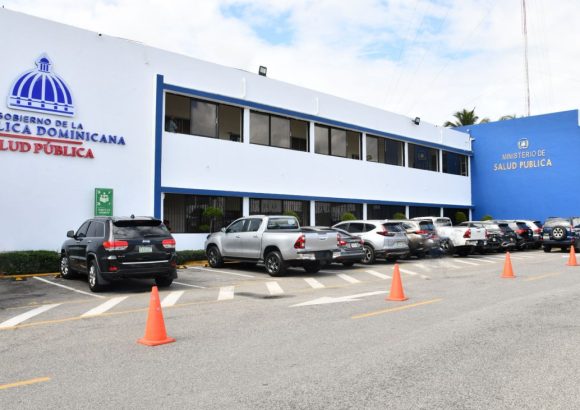
In response to an ongoing Ebola outbreak across multiple Central African nations, the Dominican Republic’s Ministry of Public Health has moved quickly to ramp up epidemiological surveillance and roll out enhanced preventive protocols, following official alerts from global health authorities.
The current outbreak is driven by the Bundibugyo strain of the Ebola virus, a variant that has no globally approved vaccine available to date. The World Health Organization (WHO) has already categorized the unfolding situation as a Public Health Emergency of International Concern (PHEIC), prompting nations around the world to activate pre-planned international preparedness frameworks, of which the Dominican Republic’s new measures are a part.
While public health officials in the Caribbean nation have emphasized that the country faces an exceptionally low risk of importing the virus, thanks to its distant geographic location and the absence of direct travel or transportation links to the affected Central African regions, authorities have made the decision to proactively strengthen existing preparedness and rapid response systems for high-threat infectious diseases.
To achieve this, the Dominican government has launched cross-agency coordination efforts, bringing together stakeholders from public health, migration management, tourism, airport operations, port authorities, and national emergency response teams. The collaborative work focuses on tightening entry screening at all points of entry into the country, including international airports, seaports, and land border crossings.
Key preventive actions rolled out so far include updated case detection protocols, continuous health monitoring for incoming travelers from high-risk regions, the expansion of dedicated isolation facilities across national and regional medical centers, specialized training for frontline medical personnel to recognize and respond to potential Ebola cases, and clear guidance on the correct use of personal protective equipment (PPE) to prevent transmission.
Beyond entry screening and clinical response planning, the Ministry of Public Health has also reported ongoing work to upgrade national laboratory diagnostic capacity. These improvements are designed to ensure the Dominican Republic can safely process, handle, and ship biological samples in full compliance with international biosafety standards, reducing delays in confirming potential cases.
The current outbreak is centered primarily in the Democratic Republic of the Congo, with a small number of confirmed associated cases also recorded in neighboring Uganda. Global health agencies currently assess the risk of widespread global transmission as low, but continuous surveillance remains in place as the situation is still evolving.
Public health experts note that existing vaccines developed for other known Ebola variants do not offer protection against the Bundibugyo strain. For this reason, global containment strategies continue to prioritize core public health interventions: rapid early detection of cases, comprehensive contact tracing, prompt isolation of infected individuals, and consistent infection prevention practices in healthcare and community settings.