For more than a decade, Bahamian voters have waited for successive national governments to turn a passed Freedom of Information Act (FOIA) from a hollow piece of legislation into a working framework for open governance. Now, the Davis administration has once again committed to full implementation of the law, reviving a decades-old transparency promise that has gone unfulfilled through multiple previous terms of office.
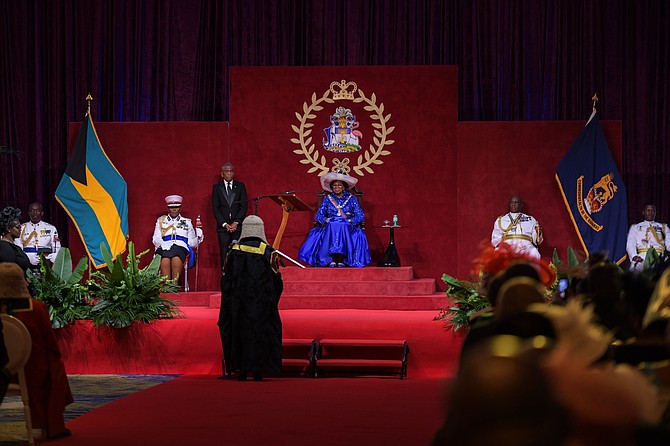
Governor General Cynthia “Mother” Pratt formally laid out the renewed commitment in the annual Speech from the Throne this week, as the administration unveiled its updated legislative agenda for the coming term. “My government will continue expanding and fully implementing the Freedom of Information Act, and ensure that public bodies maintain trained FOIA officers and disclosure systems,” Pratt said in her official address.
The new pledge comes against a backdrop of more than 10 years of broken transparency commitments from every Bahamian administration that has held power since the FOIA was first passed. The legislation was initially approved by the Ingraham administration just ahead of the 2012 general election, but no official enactment date was ever set. The subsequent Christie administration restructured the bill to update its provisions, but never moved to put those provisions into effect. In 2021, the Minnis administration appointed the nation’s first ever FOIA commissioner, but the new department was left chronically underfunded, preventing it from carrying out its core mandate.
Before the Davis administration took office following the 2021 general election, the Progressive Liberal Party’s (PLP) Blueprint for Change campaign platform made a sweeping set of transparency and accountability promises. Beyond full implementation of the FOIA, the party pledged to deliver an Ombudsman Bill, an updated Public Disclosure Act, a comprehensive new Anti-Corruption Act, campaign finance reform, a formal government Code of Conduct, a national Whistleblower Act, electoral reform and public procurement reform.
To date, only two of those promised reforms – electoral reform and procurement reform – have been completed, and watchdog groups continue to raise persistent concerns about gaps and weaknesses in the new procurement system. The Protected Disclosures Bill, which establishes legal protections for whistleblowers who report unlawful or unethical government activity, did pass Parliament during the administration’s first term, but no official confirmation has been given that the law has actually been enacted and put into force. Notably, none of the other unfulfilled transparency pledges from the 2021 campaign were included in this week’s released legislative agenda.
Adding to questions about the administration’s commitment, Prime Minister Philip “Brave” Davis stated publicly as recently as June 2025 that full funding for FOIA implementation and other anti-corruption mechanisms was not a top priority for his government. Governance advocates have long warned that repeated delays to these anti-corruption and transparency reforms are no accident, arguing that prolonged inaction amounts to a deliberate choice to avoid public oversight of government activity.
When fully implemented, the FOIA will grant Bahamian citizens a legal right to access records held by all public authorities, a foundational change that advocates say will drastically improve government transparency and hold elected officials accountable for their decisions. More than 120 countries around the world – including major democracies like the United States, United Kingdom, Canada and regional neighbor Jamaica – already have active freedom of information or access-to-information laws that enshrine this right for their populations.