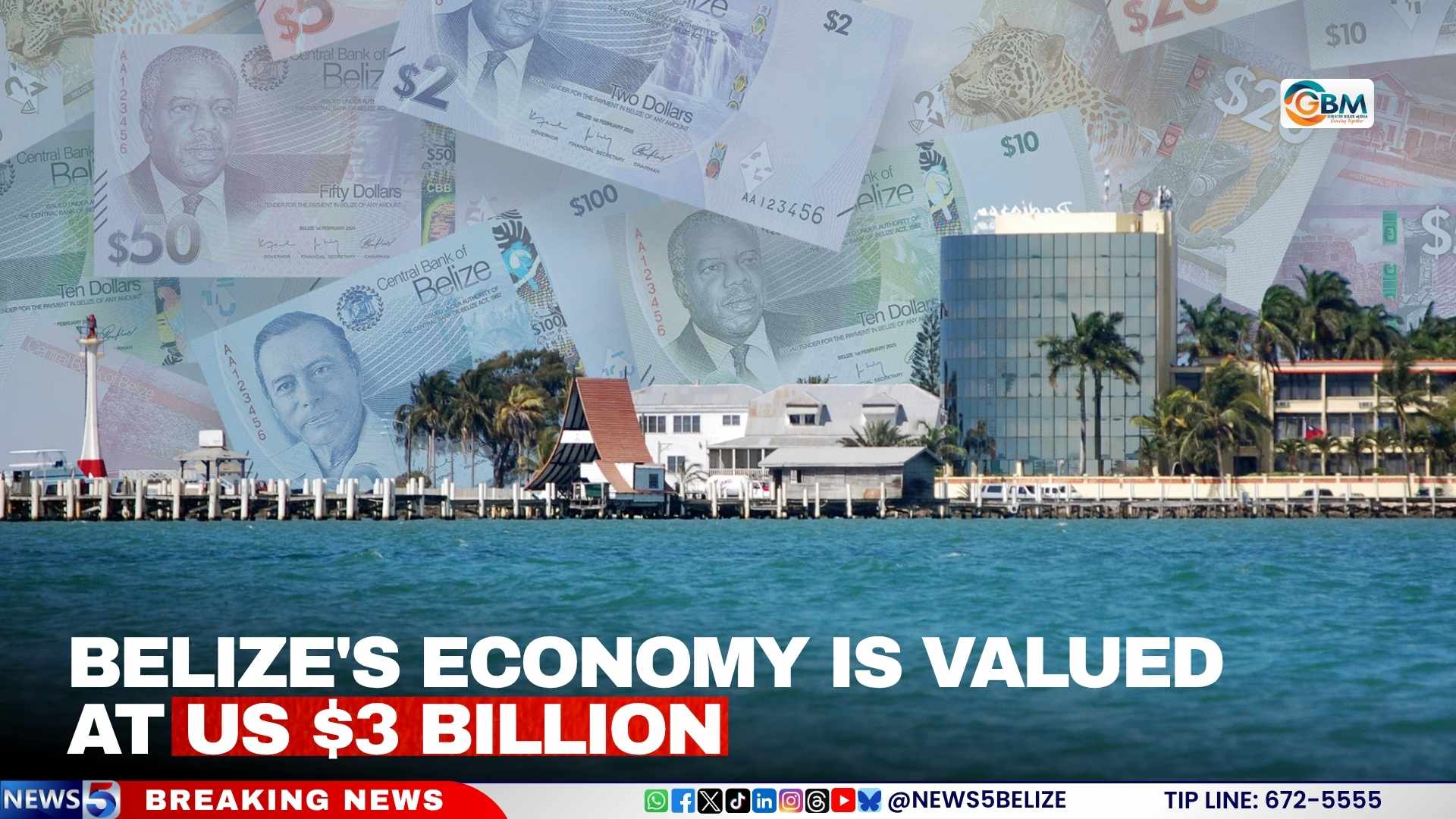
On May 20, 2026, the World Bank Group’s Board of Executive Directors greenlit a new five-year Country Partnership Framework that maps out a collaborative path with Belize’s government to drive private sector-led economic expansion across the small Central American-Caribbean nation.
Per World Bank data, Belize’s total gross domestic product currently sits at roughly US$3 billion, marking meaningful progress in macroeconomic stability after years of targeted government policy reforms. In recent years, the country has cut its public debt-to-GDP ratio sharply from 103% down to 62%, while unemployment has dropped to an unprecedented 2.1% — a historic low for the nation. Economic activity has also rebounded strongly from recent global shocks, positioning Belize for further expansion if persistent structural and climate-related risks can be addressed.
The largest pillar of Belize’s economy, tourism, accounts for nearly 50% of total national output, but the sector remains exceptionally exposed to the accelerating impacts of climate change. Ongoing degradation of Belize’s iconic barrier reef, a top global tourist attraction and critical natural infrastructure, poses direct threats to not only tourism but also commercial fishing and agricultural production. Reef damage also amplifies the country’s vulnerability to storm surges and other climate-fueled extreme weather events that can derail economic activity.
To tackle these climate risks, the new partnership framework allocates World Bank financing to upgrade critical public infrastructure: improving drinking water systems, expanding sanitation access, overhauling waste management practices, and supporting climate-resilient agricultural techniques, with a specific focus on vulnerable coastal communities that bear the brunt of climate impacts. The strategy also outlines a goal to position Belize as a key transportation and trade hub connecting the Caribbean region and mainland Central America, unlocking new cross-border economic opportunities.
Energy security represents another core priority of the new partnership. The World Bank notes that despite a nearly 50% jump in peak energy demand over the past decade, Belize has not added significant new domestic electricity generation capacity, and currently imports half of its power through volatile global spot markets. This leaves the country exposed to extreme price swings and supply disruptions. To resolve this gap, the framework supports policy overhauls for the energy sector, upgrades to national electricity grid management, and creates new incentives to attract private sector investment in domestic energy generation.
The plan also confronts long-standing labor market challenges, including a widespread shortage of skilled workers and a stark gender participation gap. As of mid-2025, less than 50% of working-age women were active in the labor force (either employed or actively seeking work), compared to nearly 75% of working-age men. World Bank analysis identifies unequal responsibility for unpaid childcare as one of the primary drivers of this persistent gap.
To close this divide, the strategy allocates funding for expanded investment in early childhood education and affordable childcare services in low-income and underserved communities. This investment is designed to remove barriers that keep women out of the workforce or from pursuing further education and professional training, boosting inclusive economic growth across the country.
Belizean Prime Minister John Briceño expressed strong support for the new partnership, reaffirming his administration’s commitment to building on recent economic gains while expanding opportunity for all Belizeans. “This partnership with the World Bank Group will support us in that effort,” Briceño said.
Lilia Burunciuc, World Bank Director for the Caribbean, emphasized the institution’s long-term commitment to Belize’s development trajectory, saying “The World Bank Group is steadfast in supporting Belize’s next phase of growth.” The full strategy will pool resources from four key World Bank Group institutions — the International Bank for Reconstruction and Development (IBRD), International Development Association (IDA), International Finance Corporation (IFC), and Multilateral Investment Guarantee Agency (MIGA) — under a coordinated “One World Bank Group” delivery model.