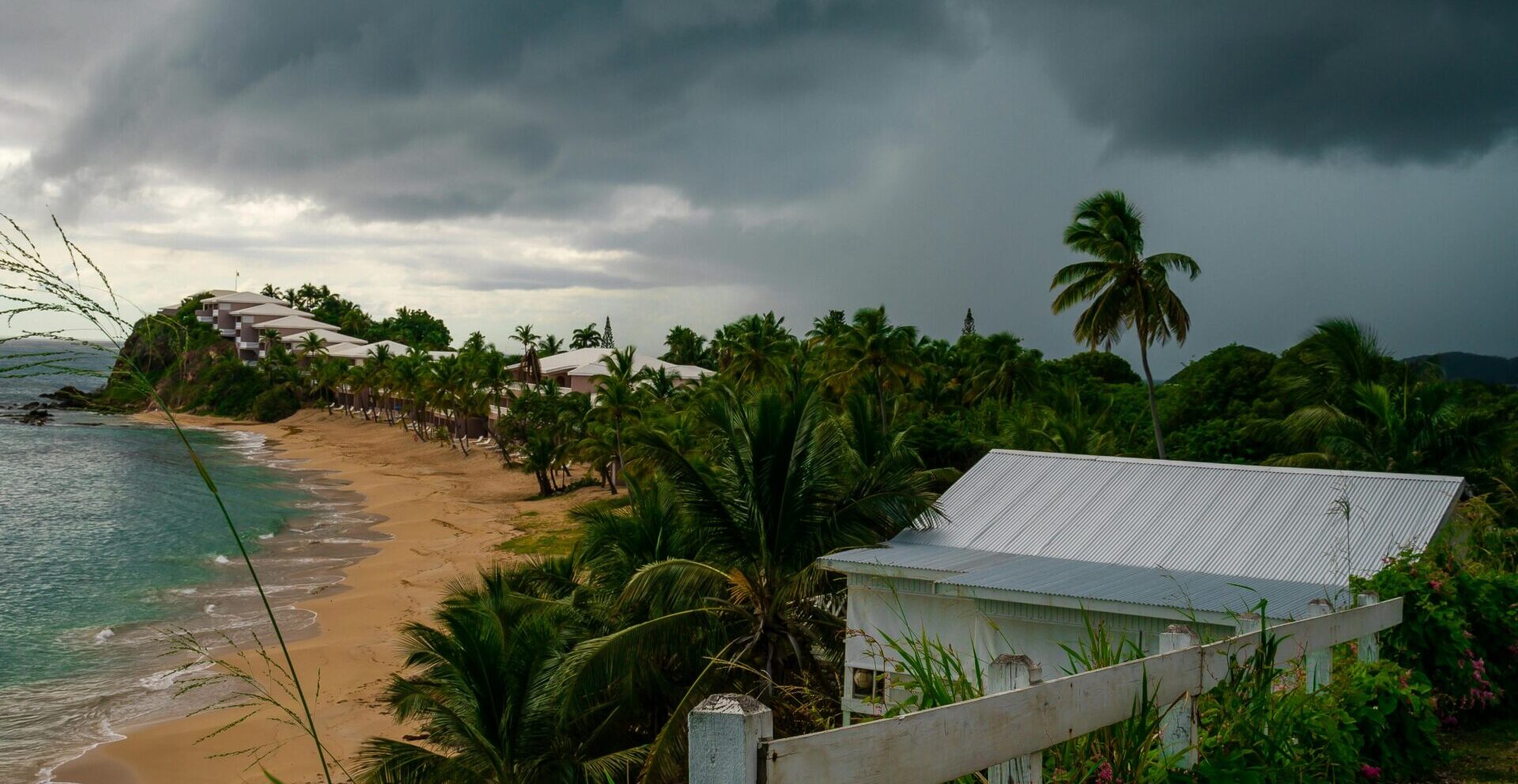
A groundbreaking 2025 climate assessment from the World Meteorological Organization (WMO) has delivered a stark warning about accelerating, irreversible climate shifts across Latin America and the Caribbean, documenting a surge in destructive extreme weather events that are already upending communities and economies across the region. The annual *State of the Climate in Latin America and the Caribbean 2025* report catalogs a growing list of climate impacts: intensifying hurricanes, life-threatening heatwaves, worsening cycles of drought and flood, accelerating sea level rise, and rapid glacial retreat, all of which are pushing regional ecosystems and social systems to their breaking point.
WMO Secretary-General Celeste Saulo emphasized that the evidence of human-caused climate change across the region is now “unmistakable,” pointing to the clear trends of faster glacial loss, more powerful tropical cyclones, and increasingly frequent climate extremes that have moved from future projections to current reality. Even amid these growing risks, however, Saulo highlighted a critical area of progress: regional governments have steadily expanded their capacity to prepare for climate disasters and save lives through improved weather forecasting and expanded early warning systems that reach at-risk communities.
The report’s most striking case study of this new era of extreme weather is Hurricane Melissa, which made landfall on Jamaica in October 2025 as the first Category 5 hurricane ever recorded to hit the island’s shores. The unprecedented storm claimed 45 lives and caused an estimated $8.8 billion in economic damage – a sum equal to more than 41% of Jamaica’s total annual gross domestic product. Despite the storm’s unprecedented intensity, WMO analysts noted that Jamaican officials successfully cut the potential death toll through proactive disaster planning and targeted financial preparedness built on advanced climate risk modeling, a promising example of effective adaptation in action.
Beyond hurricanes, the report flags extreme heat as one of the fastest-growing public health threats facing the region. Throughout 2025, record-shattering heatwaves pushed temperatures above 40°C across vast swathes of North, Central and South America. Mexicali, Mexico hit an all-time national temperature record of 52.7°C, while Rio de Janeiro recorded 44°C and Mariscal Estigarribia in Paraguay reached 44.8°C. Historical data underscores the scale of the risk: between 2012 and 2021, researchers estimate roughly 13,000 heat-related deaths occur annually across 17 regional nations, though the actual mortality toll is almost certainly far higher, as most countries do not systematically track heat-linked fatalities.
The report also documents dramatic, disruptive shifts in regional rainfall patterns over the past 50 years, with weather systems swinging more sharply between prolonged severe drought and extreme, flood-causing rainfall. Central America, northern South America, and parts of southeastern South America have seen increased rainfall and more frequent flooding events, while central Chile, northeast Brazil, and large sections of the Caribbean are trending progressively drier. In 2025 alone, floods across Peru and Ecuador displaced and affected more than 110,000 people, while flood events in Mexico killed 83 people and caused widespread damage to critical infrastructure. In a striking example of the region’s new climate volatility, June 2025 was the wettest June ever recorded in Mexico, even as 85% of the country simultaneously grappled with severe drought that drained reservoirs and crippled agricultural production. The Caribbean faced parallel water shortages, while rainfall deficits of more than 40% across parts of southern South America drove steep agricultural losses and elevated wildfire risk. WMO researchers warn that regional agro-food systems remain extremely vulnerable to these shifts, as extreme weather directly disrupts crop production, undermines rural livelihoods, and destabilizes food markets.
Glacial and marine systems, which underpin billions of dollars in economic activity and supply critical freshwater to hundreds of millions of people, are also under growing threat. The Andean glaciers, which supply drinking water, irrigation, hydropower, and industrial water to roughly 90 million people, are retreating at an accelerating rate, with the most dramatic losses recorded in the southern Andes and the tropical glacier regions of Colombia and Ecuador. In the oceans surrounding the region, warming, acidification, and deoxygenation are threatening the marine ecosystems, coral reefs, and commercial fisheries that support the economies of most coastal communities. In 2025, surface ocean acidity hit record lows across large sections of the Atlantic and Pacific adjacent to the region, while extreme marine heatwaves developed in the Gulf of Mexico, the Caribbean Sea, and offshore of Chile. Along many tropical Atlantic and Caribbean coastlines, sea levels are rising faster than the global average, amplifying flood and storm surge risk for the dense coastal communities that make up most settlements on Caribbean islands.
Launching the report in Brasília, Brazil, Saulo framed the WMO’s findings as an urgent call to action for regional governments and the global community. She emphasized that accessible, reliable climate information is a core tool for protecting vulnerable populations: it helps farmers adjust planting schedules to shifting rainfall, enables health systems to prepare for heat emergencies, and gives at-risk communities the resources they need to adapt to a rapidly changing climate.