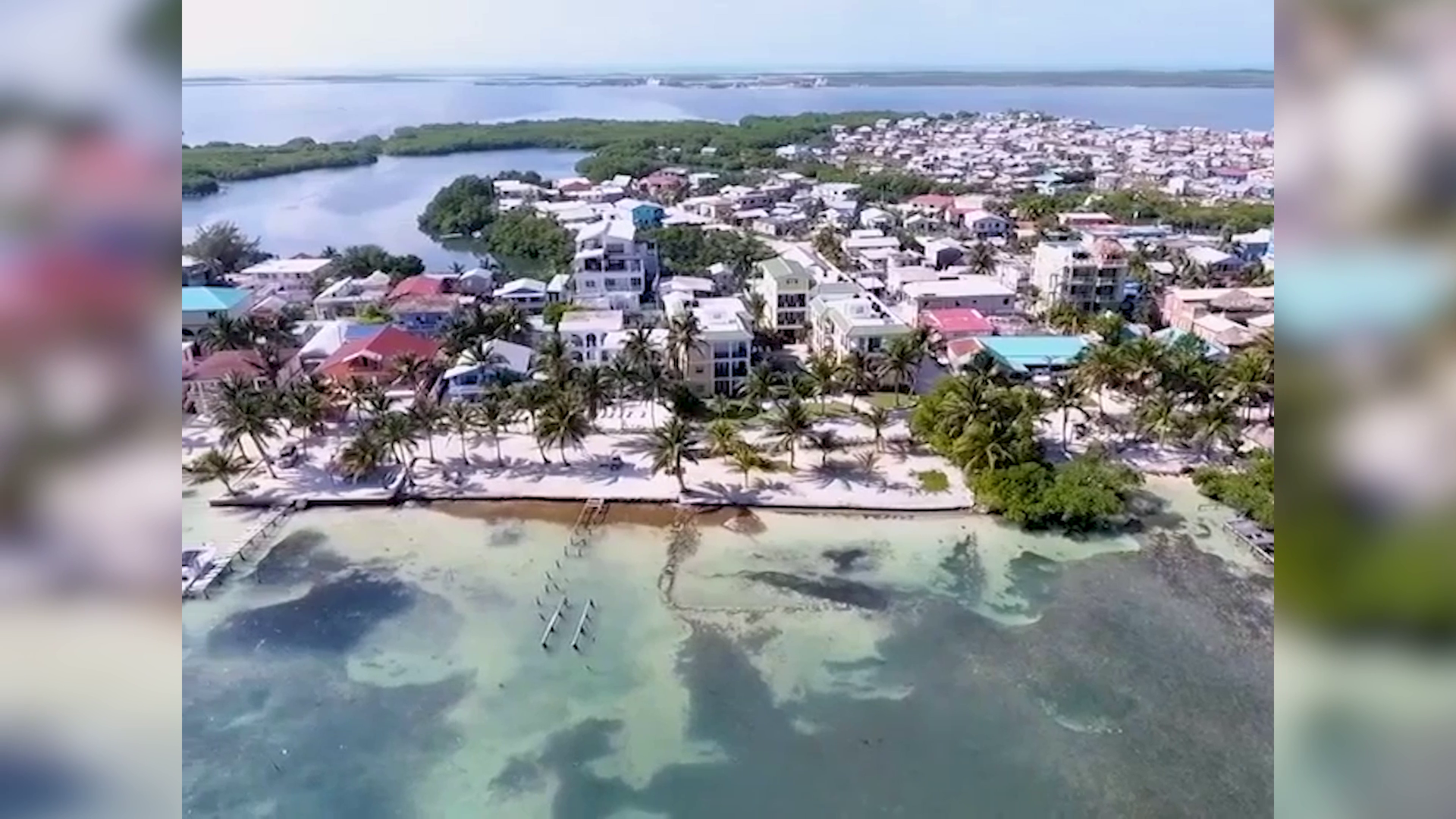
The Caribbean island of San Pedro, Belize, is experiencing an unprecedented period of exponential growth that has divided local opinion over whether the expansion represents welcome progress or reckless overdevelopment. With construction cranes dotting the skyline, new commercial and residential developments breaking ground regularly, and large-scale dredging projects underway, the northern stretch of the island in particular has seen explosive expansion that shows no immediate signs of slowing. As public debate intensifies over the costs and benefits of this rapid transformation, Area Representative for Belize Rural South Andre Perez has opened up about the government’s approach to managing San Pedro’s boom, addressing concerns ranging from housing affordability to crippling traffic congestion.
Perez acknowledges that the island’s growth has outstripped many early projections, describing the expansion as moving by leaps and bounds, with exponential gains concentrated in northern areas of the island. He says the government is acutely aware of the growing friction between two opposing camps: tourism stakeholders who warn that unregulated rapid development risks eroding the natural charm that draws millions of visitors to the island each year, and local residents who argue they have a fundamental right to access land to build homes and achieve what Perez calls the Belizean dream of property ownership on the island. Perez concedes that the current pace of growth may require a deliberate pause to assess long-term impacts, saying “it’s going a bit too fast” and that the government is actively working to strike a sustainable balance between development opportunity and livability.
One of the most contentious claims surrounding San Pedro’s boom is that rising land values are pricing native Belizeans out of the housing market. Perez pushes back against this narrative, while acknowledging that past policy missteps created the current affordability problem. He explains that under the previous administration, land allocation policies prioritized outside investment over local access, leaving a legacy of systemic exclusion that the current government is still working to untangle. To counteract this gap, the current administration has developed more than 1,000 new residential lots specifically designated for first-time local landowners, ensuring that young Belizeans and new generations of residents still have a path to property ownership on the island.
Beyond land use debates, San Pedro’s exploding population and tourist traffic have created a parallel crisis on the island’s streets: a surplus of golf carts, the primary mode of local transportation for both residents and visitors, that has caused widespread congestion, noise pollution and safety hazards. Perez says officials have implemented targeted reforms to address this crisis, including pausing new approvals for golf cart rental businesses and capping the total number of rental vehicles allowed to operate. Under the new rules, only replacement vehicles are approved for existing rental operations, and priority for new personal golf cart registrations is given to residents in the remote northern stretches of Ambergris Caye, who rely on the vehicles to travel long distances for work and daily needs.
To address a second major traffic issue – constant heavy construction truck traffic cutting through the heart of San Pedro’s town center that created persistent noise and gridlock – the government has opened two new off-shore ports on the island’s less developed eastern side. Construction materials are now unloaded and transported via these alternate routes, eliminating the need for heavy trucks to pass through residential and commercial districts. Perez notes that the policy has already produced a noticeable improvement in quality of life for town center residents, and traffic conditions are significantly better than they were just six months ago.
Even with these targeted reforms in place, Perez emphasized that San Pedro’s unrelenting growth requires continuous monitoring and adaptive policy making. The island’s boom shows no signs of stagnating, meaning local officials will need to remain proactive to address emerging challenges and protect the needs of local residents while still supporting sustainable economic expansion.