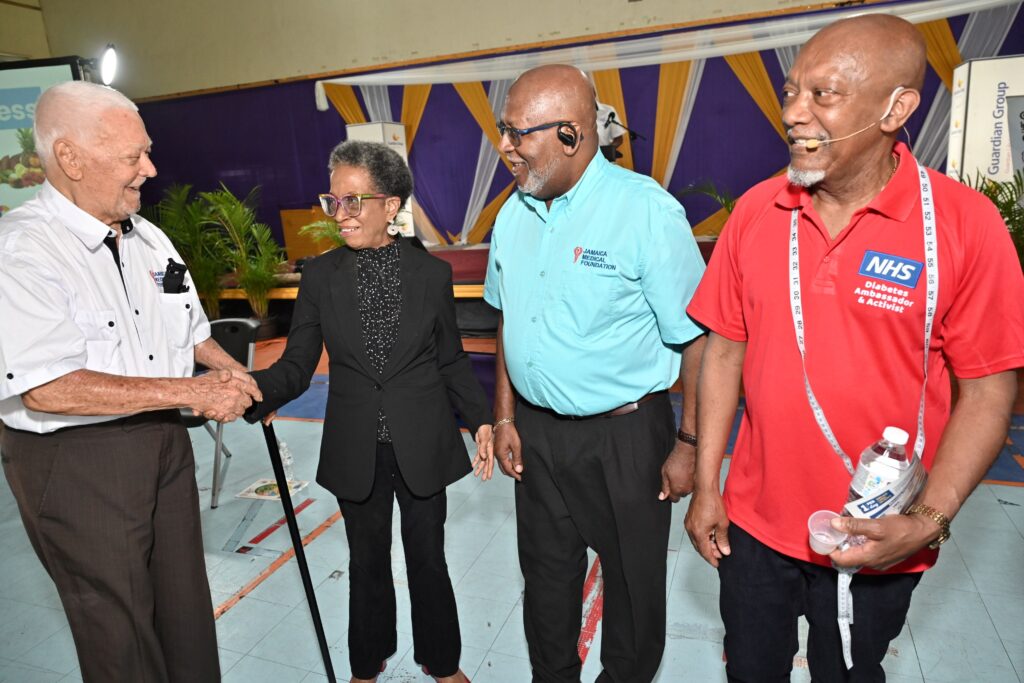
KINGSTON, Jamaica — As Jamaica grapples with a rapidly rising national diabetes prevalence, a prominent UK-based diabetes awareness advocate has called on both healthcare leaders and the general public to abandon the common dismissive attitude toward the condition and confront its growing public health threat head-on.
Tony Kelly, who has managed his own diabetes diagnosis for over 20 years, traveled to Jamaica at the invitation of the Jamaica Medical Foundation (JMF) to headline a series of public health education forums kicking off at Mico University College. Addressing a crowd that included insurance industry leaders and public health stakeholders, Kelly pushed back against the widespread misperception that diabetes is a harmless condition often referred to casually as “just a little sugar”.
Kelly emphasized that when left unmonitored and unmanaged, diabetes can trigger life-altering, fatal complications. These severe downstream outcomes include cardiovascular disease, permanent vision loss, end-stage kidney failure, and lower-limb amputations, outcomes he has avoided through decades of consistent clinical care and disciplined lifestyle adjustments. Drawing from his personal experience, Kelly shared that following his healthcare team’s guidance on medication, diet, and regular exercise has allowed him to live without major secondary health issues, a model he says all people living with diabetes can follow.
To help the public catch the condition early when it is most manageable, Kelly outlined the four key early warning signs of undiagnosed diabetes, which he calls the “Four Ts”: persistent tiredness, more frequent urination than usual, unrelenting excessive thirst, and unexplained weight loss. Anyone experiencing these symptoms, he stressed, should seek immediate medical testing for diabetes. He added that individuals with a family history of the condition face elevated risk and should maintain extra vigilance around their blood sugar levels and overall health.
A core pillar of Kelly’s message centered on proactive prevention through healthy daily habits. He noted that regular physical activity is non-negotiable for maintaining steady blood sugar, and encouraged Jamaicans to shift away from frequent fast-food consumption by prioritizing home-cooked, nutrient-dense meals. Most importantly, he urged all residents to get regular diabetes screenings, even if they do not display obvious symptoms, to catch the condition early before complications develop.
Kelly’s outreach comes as new 2024 data paints a concerning picture of diabetes’ spread across Jamaica: approximately 12.5% of all Jamaican adults between the ages of 20 and 79 — equal to more than 235,000 people — currently live with diabetes. That marks a more than 40% jump in prevalence since 2017, a surge driven primarily by three modifiable risk factors: nutrient-poor diets, widespread physical inactivity, and rising obesity rates. Diabetes is already ranked among the leading causes of death in Jamaica, making the upward trend a critical public health emergency.
The series of educational forums led by Kelly is a joint public health initiative organized by the JMF in partnership with Jamaica’s Ministry of Health & Wellness. The events are held as a tribute to the late Dr Winston “Winty” Davidson, the foundation’s former director who passed away two years ago and was a passionate champion for accessible public health education across the country. Following the opening forum in Kingston, the JMF hosted a second session at Manchester Parish Church Hall in Mandeville on May 14, with a third public event scheduled for May 29 at 8:00 a.m. at Harmony Beach Park in Montego Bay.
During the opening launch at Mico University College, JMF Chairman Emeritus Dr Oliver Jones presented a special tribute to Dr Davidson’s widow, Dr Sonia Davidson. JMF Chairman Orville Johnson also publicly recognized the event’s supporters, naming main sponsor Guardian Life Ltd, as well as associate sponsors Cari-Med, the National Health Fund, and the Ministry of Health and Wellness for their ongoing commitment to the initiative.