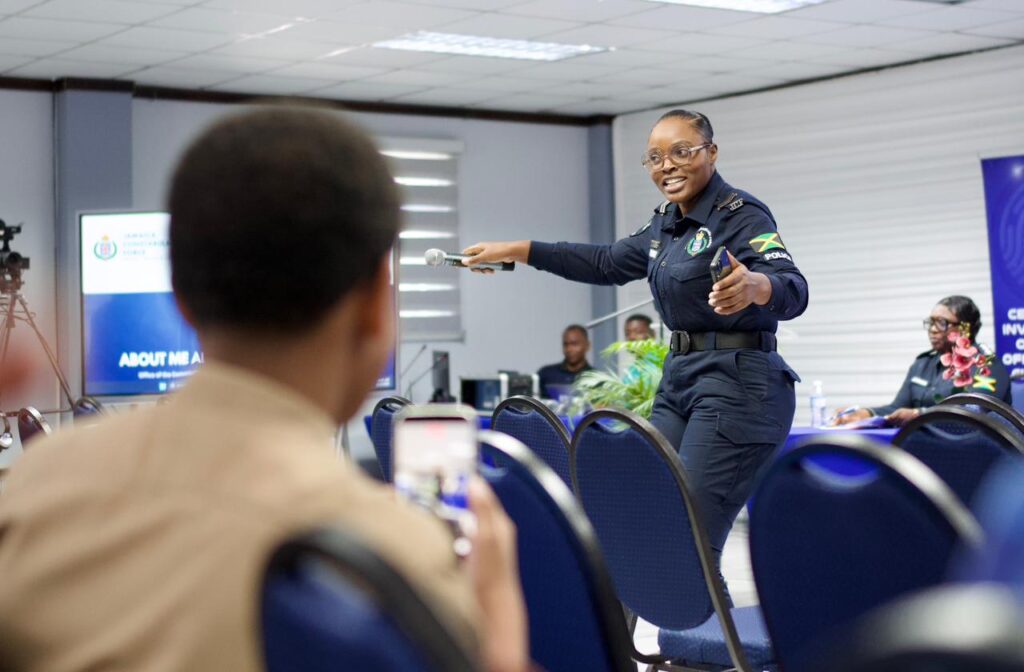
KINGSTON, Jamaica — Amid growing recognition of unaddressed mental health struggles among young people, Jamaica’s Centre for Investigation of Sexual Offences and Child Abuse (CISOCA) brought together students and educators from across Kingston and St. Andrew this Thursday for the All About Me Advocacy Workshop, a gathering centered on elevating youth mental well-being at the Office of the Commissioner of Police.
Throughout the day, every speaker reinforced a core message: students must be equipped to understand and prioritize their own coping strategies as they navigate a range of widespread mental health challenges. Opening the event, Assistant Commissioner of Police Wayne Josephs shed light on the hidden burdens many children carry in silence, noting that too many young people are privately grappling with anxiety, trauma, depression, abuse, community violence, bullying, and persistent uncertainty about what comes after graduation. For many, he added, these struggles add weight far beyond what their developing years should demand.
Josephs pushed back against common narrow misconceptions of mental health, explaining that the term encompasses far more than just diagnosable illness. True mental well-being, he emphasized, is built on emotional strength, resilience, self-confidence, and the ability to adapt when life becomes difficult. He went on to outline the far-reaching ripple effects of supporting young people’s mental health: a child who feels seen, supported, safe, and valued is far more likely to thrive across every area of life, from academic performance to social connection to emotional regulation. Most critically, these supported children grow into engaged, productive citizens who lift up their entire communities.
That positive impact, Josephs argued, is why collective action from all parts of society is non-negotiable. Parents, teachers, community leaders, faith-based groups, and law enforcement all have a role to play in building safe, respectful environments where young people feel empowered to show up as they are. He urged the adult educators and stakeholders in attendance to normalize open conversations about mental health, build accessible support networks, and work to dismantle the long-standing stigma that keeps too many young people from asking for the help they need.
“Let us commit to listening more carefully, supporting more intentionally, and protecting more passionately, the mental well-being of our children,” Josephs said in closing his address. “When we strengthen the minds of our young people, we strengthen the future of our nation.”
CISOCA’s commanding officer, Superintendent Kerry-Ann Bailey, explained that the “All About Me” workshop was intentionally designed to center student voices, rather than just deliver top-down guidance. The event aligned with national Child’s Month, which this year places a specific focus on youth mental health, creating a structured, safe avenue for students to share their experiences directly with law enforcement and support organizations.
“We wanted to hear from them. We know that some of them are facing bullying and other challenges, and because Child’s Month is also focused on mental health, we wanted them to come here so we could hear from them, hear their voices, and hear their stories,” Bailey said. “We also have our partners here so we can provide them with additional information that will help them cope.”
Held under the official theme “Prioritising Our Children’s Mental Health: Strong Minds, Safer Future,” the workshop did more than raise awareness: it gave students practical, actionable tools to navigate the daily challenges they face. Beyond skill-building, the event’s core function was to provide a judgment-free space for young people to share their experiences and feel that their concerns were being taken seriously. Students also took the opportunity to submit suggestions for new initiatives they would like to see added to the Jamaica Constabulary Force’s existing Safe Schools Programme. CISOCA team members documented all feedback, reaffirming their ongoing commitment to centering student needs in ongoing youth mental health and safety work.