Five months after Category 5 Hurricane Melissa tore across Jamaica, leaving a trail of widespread forest destruction and decimated wildlife habitats, a fierce debate has emerged over the Jamaican government’s preliminary approval of a restricted 2026 bird shooting season. Leading conservation biologists and bird advocacy groups are sounding the alarm that moving forward with any hunting this year could deliver a fatal blow to already vulnerable bird populations still reeling from the storm’s aftermath.
The National Environment and Planning Agency (NEPA) confirmed last week that Jamaica’s Natural Resources Conservation Authority has given in-principle approval to a limited hunting season, with planned geographic boundaries and fewer total hunting events than pre-storm seasons. But even these adjusted restrictions are too much, according to experts, who warn the scale of habitat damage has been vastly underappreciated in the government’s preliminary decision.
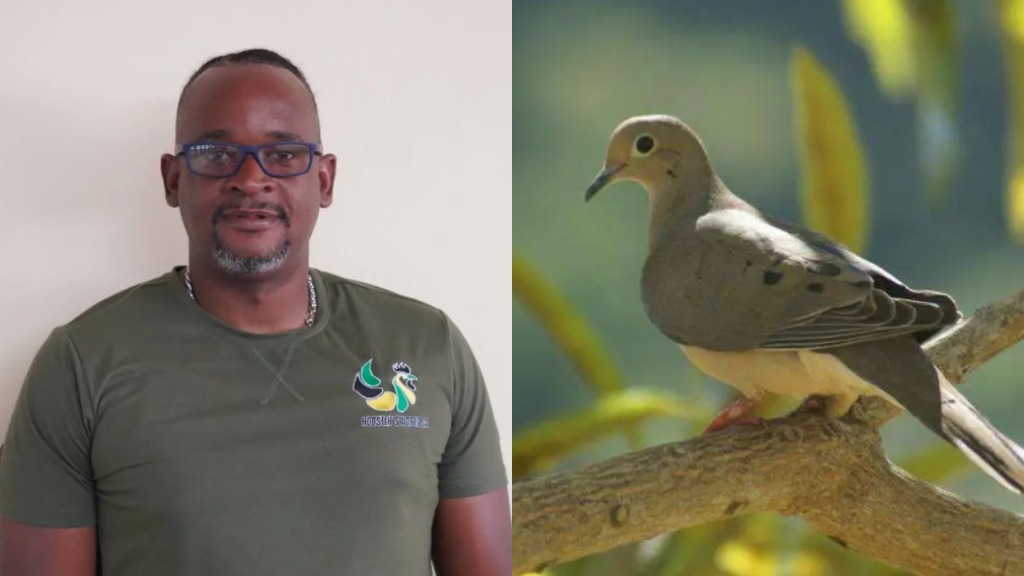
Damion Whyte, a terrestrial biologist and long-time member of BirdLife Jamaica, the island’s leading bird conservation organization, emphasized that Hurricane Melissa ranks among the most powerful storms to ever make landfall on Jamaica, and its ecological damage has been catastrophic. Official estimates from Jamaica’s Forestry Department show that 51% of the island’s total forest area sustained damage, including up to 25% of critical mangrove forests. In Jamaica’s western and northern parishes, the storm caused 76% to 100% canopy loss, effectively erasing nearly all wild bird habitats in these regions.
Whyte shared firsthand observations of unusual bird behavior in the months after the storm, as fruit-dependent species lost their natural food sources and were forced to move out of damaged upland forests and into low-lying populated areas in search of sustenance. “We had reports from our community members of birds you almost never see on the ground – species like the protected white-crowned pigeon, mountain witches, and parakeets – wandering into residential areas because all the fruit in the high forests was destroyed,” Whyte explained. “It was a widespread, mass displacement that showed just how bad the damage was.”
Since the storm, BirdLife Jamaica volunteers have been carrying out ongoing supplemental feeding programs across hard-hit parishes, providing wild birds with fruit and seeds as natural food sources have not yet rebounded. Community surveys conducted by the group have also documented dramatic drops in local bird populations, with some once-common species now completely absent from heavily damaged regions. Beyond the loss of trees, the hurricane eliminated nearly all natural nesting sites, leaving surviving birds stressed and far more vulnerable to predation and human disturbance.
Whyte points to parallel research on Jamaican fruit bats that underscores the ongoing food shortage impacting frugivorous (fruit-eating) wildlife across the island. A recent post-storm study found that sampled fruit bats had significantly lower body weights than pre-hurricane populations, a clear indicator that even months after the storm, food remains scarce. “People might assume trees are already growing back, but regrowth doesn’t mean they’re producing fruit, which is what these animals depend on,” Whyte noted.
BirdLife Jamaica is calling for the 2026 season to be canceled entirely, arguing that any decision to reopen hunting must be based on transparent, peer-reviewed population assessments that measure how well bird populations have recovered after the storm. The organization argues the precautionary principle should apply: when there is insufficient data to confirm that hunting will not threaten species survival, protection must take priority.
The debate is not purely ecological, however. Bird shooting is a longstanding cultural tradition in many rural Jamaican communities, and the annual season supports a small but significant local economy, providing income for hunters, guide staff, and local accommodation providers. With many rural families still recovering from hurricane-related damage to their homes and property, canceling the season would bring added financial strain to already vulnerable communities.
Whyte acknowledges these competing priorities, but argues that the core purpose of regulated hunting is long-term species protection, which cannot be sacrificed for short-term economic gains. “The bird shooting season supports an entire industry, from hunters to the local communities that host them, and we know canceling it would hurt a lot of people still recovering from the storm. But the whole point of having regulated seasons is to make sure we don’t put birds at risk of extinction,” he told reporters.
Even if regulators move forward with a restricted season, Whyte warns it would carry major risks. Reducing the geographic footprint of hunting would concentrate pressure on the small number of remaining undamaged habitats, increasing stress on surviving bird populations and raising the risk of conflict between hunters competing for limited space. He also questioned NEPA’s ability to effectively monitor and enforce hunting restrictions in the wake of the storm, noting that widespread landscape changes have made boundary mapping far more complex.
Beyond enforcement, Whyte raised broader social questions about holding a hunting season while many local families remain homeless after the storm. “You have to ask: does it make sense to proceed with a sport for a small group when so many people are still without roofs over their heads? That’s a question the public has a right to weigh in on,” he said.
Jamaica’s native game bird species, which include four native dove and pigeon varieties, play a critical ecological role on the island: they spread tree seeds that support natural forest recovery, benefit agricultural pollination, and draw tens of thousands of birdwatching tourists each year, generating far broader economic benefits than hunting. BirdLife Jamaica notes that properly regulated hunting can be sustainable long-term, but only when decisions are made through a transparent process that centers independent scientific data.
Conservation leaders are now calling for an open, multi-stakeholder dialogue bringing together hunters, government regulators, independent scientists, and community representatives to revisit the decision, with the goal of prioritizing science-based conservation and giving bird populations and their damaged habitats time to fully recover.