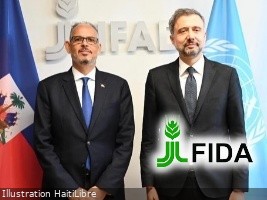
In a diplomatic gathering held in Rome on Friday, May 8, 2026, Haitian Prime Minister Alix Didier Fils-Aimé led high-stake working discussions with senior representatives from the International Fund for Agricultural Development (IFAD) and a coalition of global development partners, opening a new chapter of coordinated international action to advance Haiti’s long-awaited recovery across multiple critical sectors.
At the core of the talks were four foundational national priorities that the Haitian administration has identified as make-or-break for the country’s stability and growth: rural development, public security, institutional governance, and broad economic revitalization. Prime Minister Fils-Aimé used the platform to reaffirm his government’s unwavering commitment to scaling up targeted investments in Haiti’s rural regions, laying out a clear vision that links these investments to three core national goals: boosting domestic agricultural production, generating much-needed formal employment for Haitian citizens, and strengthening the country’s long-term food sovereignty to reduce reliance on uncertain international imports.
A key policy priority highlighted by the prime minister was the urgent need to reopen the country’s major arterial road networks. He stressed that functional, accessible transportation corridors are a strategic prerequisite to connecting smallholder producers to domestic and regional consumer markets, laying the groundwork for a broader resumption of halted economic activity across the country. In addition to rural and economic priorities, discussions addressed institutional governance challenges, with participants agreeing on the importance of maintaining a robust, effective state presence in the capital Port-au-Prince while continuing to roll out development projects in provincial departments across Haiti.
Fils-Aimé also used the meeting to outline ongoing institutional reforms the Haitian government has undertaken in the justice sector, particularly in the fight against systemic impunity. Among the key upcoming initiatives he detailed is the establishment of new specialized judicial mechanisms designed to investigate and prosecute two of the country’s most damaging challenges: large-scale financial crimes and mass atrocities that have long eroded public trust in state institutions.
In response to the policy framework presented by Haitian authorities, attending international partners voiced unanimous support for the administration’s recovery guidelines. The global coalition, led by IFAD, reaffirmed their long-term commitment to aligning their support with Haiti’s national priorities, with a specific focus on advancing inclusive rural development, building the country’s environmental resilience to climate shocks, and catalyzing new productive investments that drive shared economic growth.
The meeting marks a critical milestone in Haiti’s ongoing efforts to rebuild stability after years of political and humanitarian upheaval, bringing together national leadership and global stakeholders around a shared, coordinated agenda for sustainable recovery.