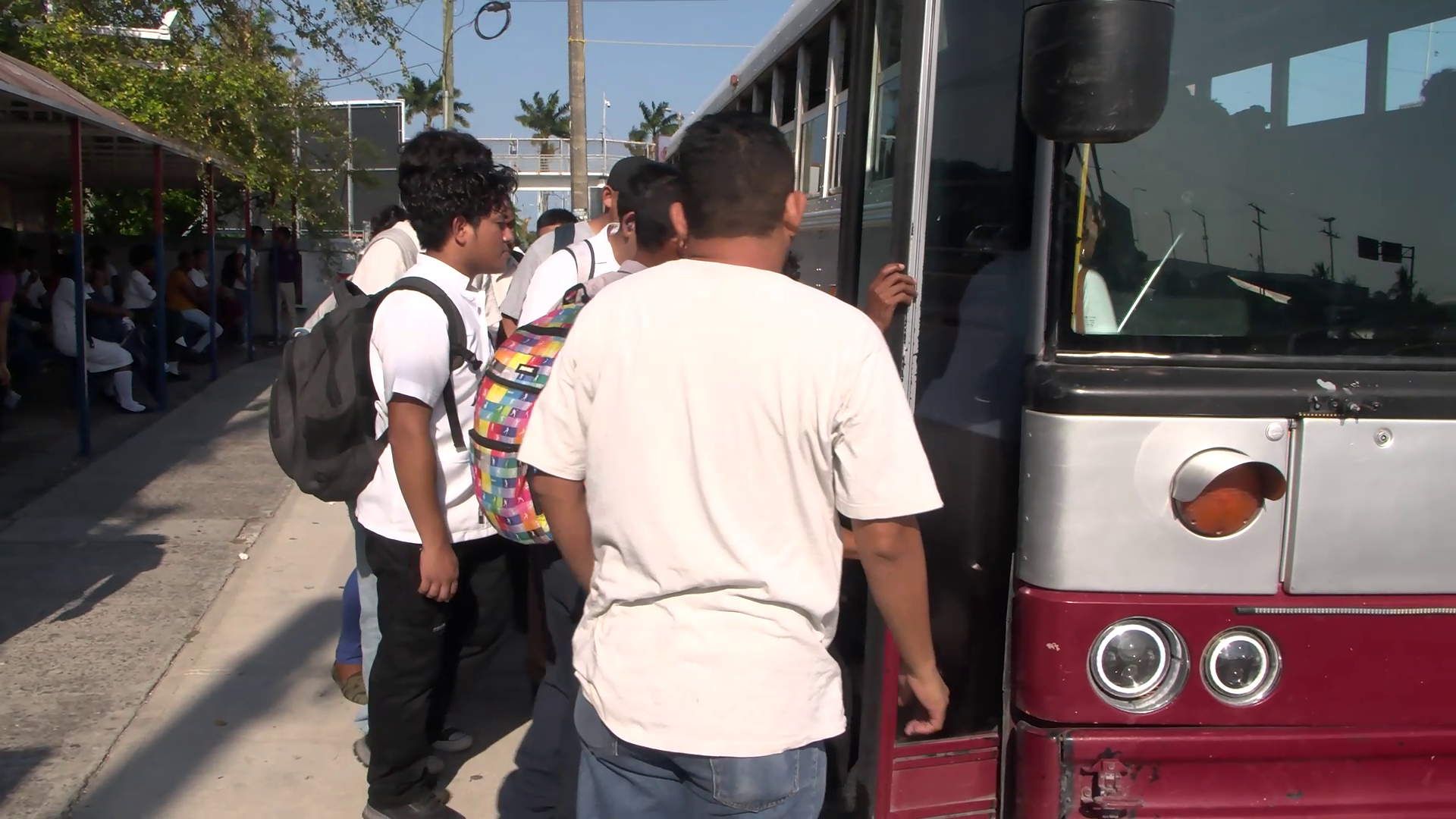
Starting May 12, 2026, bus operators across Belize will access targeted relief from skyrocketing fuel costs, through a joint $3 per-gallon diesel subsidy program launched by the Belize Bus Association and the country’s Ministry of Transport. The Belizean government is committing $1.5 million in public funds to cover the subsidy over a three-month period, framing the policy as a shared effort to balance the pressures of rising operational costs for transit providers and affordability for daily commuters. The intervention comes amid growing public frustration, as regular commuters have reported widespread complaints that some unscrupulous bus operators have already raised ticket prices far above the officially approved fare levels, leaving working households squeezed by ongoing cost-of-living increases. Transport Minister Dr. Louis Zabaneh addressed the delicate balancing act between supporting transit providers and protecting consumers in an interview with local media, explaining that the final subsidy amount was a compromise that reflected the country’s fiscal constraints. “We do have persons who naturally will express their views that things are difficult,” Zabaneh noted. “I must say that the adjustment is less than what was contemplated three weeks ago. Even so, we understand it is a shared burden between the operators who did not get how much they were asking for in the subsidy. Some were asking for ten dollars. That was not palatable. They got three dollars.” Under the policy framework, operators are permitted to raise fares by up to $1 for long-distance routes, a far smaller increase than the $3 to $4 hike that some operators had initially pushed for. This means both commuters and the general public, through taxpayer-funded subsidy contributions, share the weight of higher global diesel prices, according to the minister. In response to public reports of unapproved overcharging, the Ministry of Transport has launched a public reporting mechanism to hold rogue operators accountable. The ministry has published a dedicated phone number and announced the reporting initiative across its official social media channels, encouraging commuters to submit reports of inflated fares immediately after an incident. Ministry enforcement teams will launch prompt investigations into every credible claim, Zabaneh confirmed, and operators found guilty of consistent overcharging will face severe penalties, up to and including revocation of their operating licenses. Local resident Paul Lopez echoed the concerns of many commuters, saying, “There are some residents complaining that on certain rides they are paying more than what they understand they are supposed to be paying.” This report is a transcript of an evening television newscast covering the policy rollout, originally published online for audiences unable to view the live broadcast.