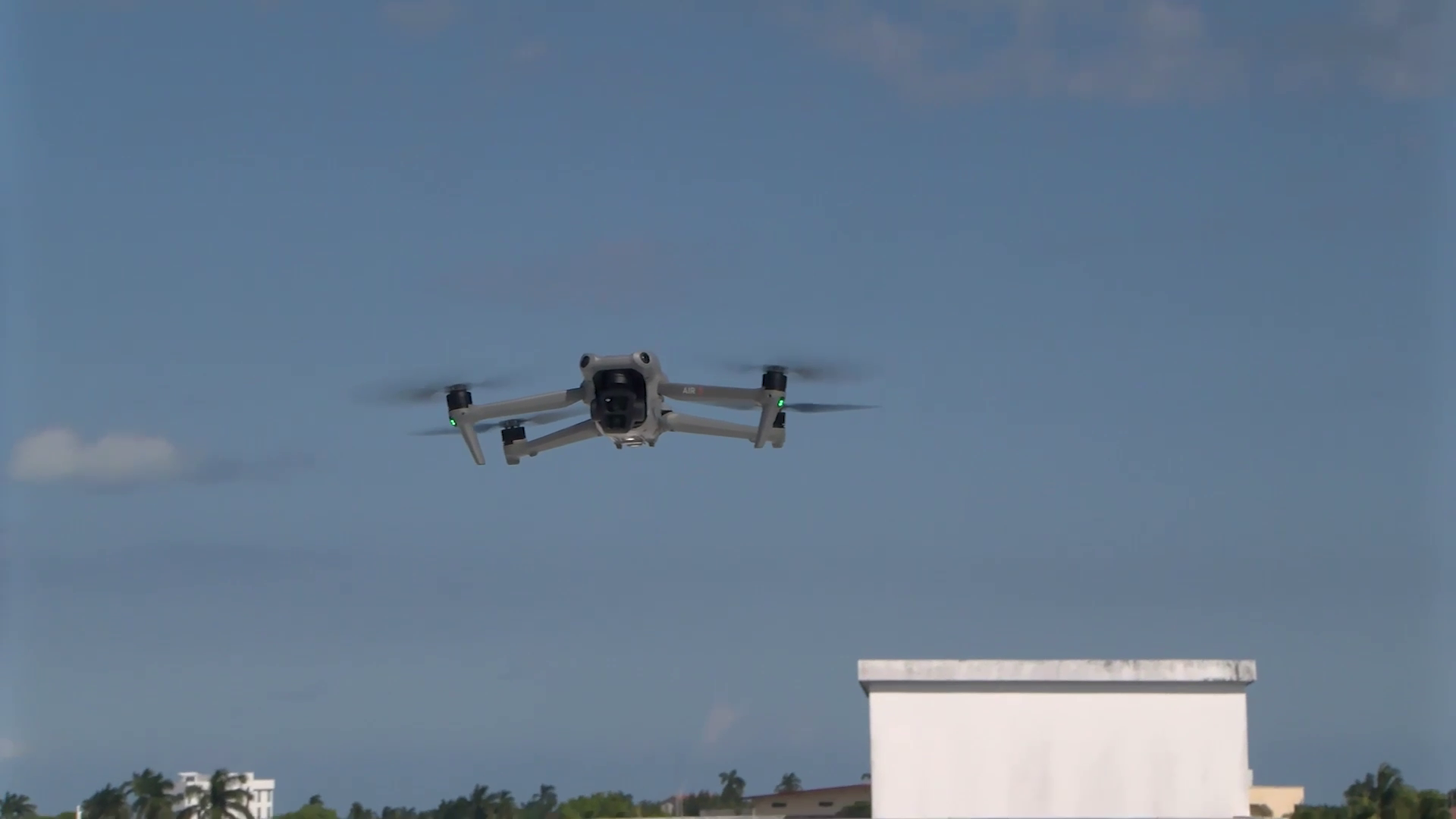
As drone technology becomes increasingly accessible and integrated into daily life across Belize — from recreational hobby flights to commercial agricultural operations — the country’s Civil Aviation Department is moving to close a critical gap between rapid technological growth and outdated regulatory oversight, launching a public consultation process for a sweeping 55-page draft of new drone rules. The initiative comes as authorities sound the alarm over a rising tide of unregistered, unlicensed drone operations that pose growing risks to public safety, airspace security, and personal privacy.
The public consultation, held this week, brought together a broad cross-section of stakeholders: recreational drone enthusiasts, commercial drone operators, industry representatives, and concerned local residents. All parties gathered to dissect the draft proposals, share on-the-ground experiences, and weigh in on how new rules will shape the future of drone use in the country.
Jared Garcia, a professional event cinematographer and drone enthusiast who has operated a drone for nearly two years to capture scenic footage and event coverage, attended the consultation to understand how evolving rules will impact his work. “As a drone operator, we already follow international standards, and licensing already comes with its own set of guidelines,” Garcia explained. “My main goal today is to see what new provisions will be added or removed, and how those changes will affect my day-to-day operation.”
Garcia is part of a fast-expanding community of drone operators in Belize, but Civil Aviation data shows that the vast majority of current operators have not completed required registration or obtained official licenses. That lack of tracking creates two critical risks, says Nigel Carter, Director of Belize’s Civil Aviation Department: authorities have no way to trace operators if an accident occurs, and unregulated flights open the door to invasive privacy breaches.
Rather than waiting for a high-profile accident or a surge in privacy complaints to spur action, Carter says regulators are moving proactively to mitigate risks before they escalate. “We don’t want to wait until there’s a mid-air collision with a manned aircraft, or we start getting dozens of reports of drones peeking into residential windows,” Carter noted. “It’s far better to set clear boundaries now, outline what is and is not allowed, and make sure operators understand and follow those rules.”
Beyond recreational use, drones have carved out a critical niche in Belize’s agricultural sector, where commercial operators have leveraged the technology to fill gaps left by traditional crop management methods. Carlin Strite, an operator with local agricultural drone firm Agrobotics, has been using large commercial drones to spray crop fertilizer for four years, running daily operations during the rainy season. Strite explained that drones solve a longstanding problem for local farmers: when seasonal rains leave field ground too muddy for traditional ground spraying rigs to access, and small manned crop dusters are not suited for targeted applications on small plots, drones can step in to complete the work.
While the proposed regulations set affordable costs for entry — with registration and licensing fees each running around $30, a minor expense compared to the thousands of dollars many operators invest in their hardware — commercial operators like Strite say the biggest existing pain point is regulatory ambiguity. “The biggest problem we’ve faced up to now is that rules keep changing, and we’ve never had a clear, finalized set of standards to follow,” Strite said. “It’s extremely confusing. What we need is standardized, clear rules. We understand that safety has to come first, but we also hope for unnecessary restrictions that don’t serve a clear public good.”
In developing the new framework, Belizean regulators have leaned on established international safety and privacy standards to guide their approach, since the country has not yet completed a full local risk assessment for drone operations. Carter emphasized that the goal of new rules is not to stifle innovation, but to create a safe, predictable environment that lets drone technology grow while protecting the public. “Whether it’s flying a drone over a crowded outdoor concert or flying near a commercial airport, we need clear guidelines to prevent harm,” Carter explained. “The government has a responsibility to protect concert attendees, passengers on commercial aircraft, and private residents in their homes from privacy breaches and unsafe conditions.”
Industry advocates, who have organized into the Belize National UAS Industry Association (BNUIA) to represent drone operators in policy talks, say they are encouraged by the collaborative tone of the current process. Will Moreno, president of the BNUIA, noted that the consultation marked a noticeable shift from earlier communications, when operators struggled to have their input taken into account. “We all want a safe, secure airspace just as much as regulators do,” Moreno said. “What we don’t want is overly verbose, legally dense regulations that are impossible for an average hobbyist to understand. A lot of other countries use simple diagrams and plain language to make rules accessible, and that’s the standard we should aim for here.”
Civil Aviation officials stress that the new rules are not intended to be unnecessarily restrictive, but rather to formalize and clarify informal guidelines that have been in place for years. Following this week’s consultation, the public will have an additional two weeks to submit written comments and feedback before regulators finalize the framework and move toward implementation. As Belize’s skies grow increasingly crowded with unmanned aircraft, the country is now on track to update its rules to match the pace of technological change, striking a delicate balance between nurturing innovation and protecting public interest.