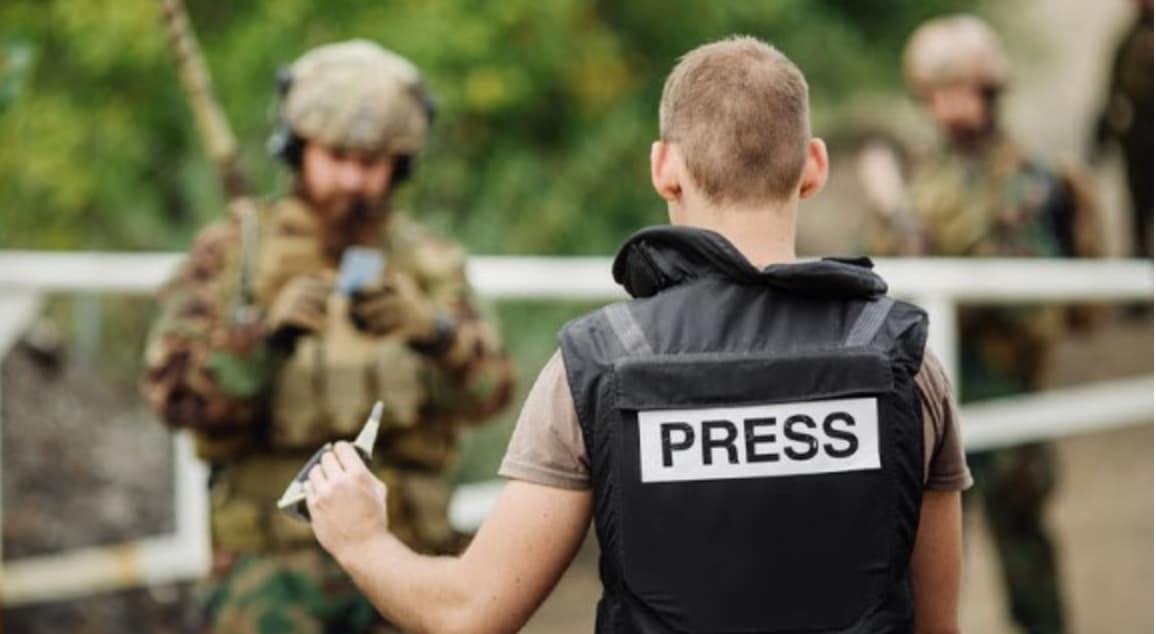
To commemorate World Press Freedom Day on May 3, the International Labour Organization (ILO) has published a groundbreaking report that centers a long-overlooked angle of journalist protection: the fundamental role of labor rights in safeguarding media workers around the globe. For decades, the global community has debated threats to press freedom through the lens of free expression, but the ILO’s new analysis argues that this framework is incomplete — journalists are first and foremost workers, and their ability to do their jobs safely depends entirely on whether they can access the core labor protections guaranteed to workers in every other sector. Alarmingly, the risks facing media personnel have grown steadily worse over the past three decades. Data from UNESCO’s Observatory of Killed Journalists confirms that more than 1,850 journalists have lost their lives while on the job since 1993. For the vast majority of these killings, no perpetrators have been held to account, leaving a pervasive culture of impunity that emboldens further attacks. Beyond lethal violence, hundreds more journalists today are arbitrarily detained, disappeared, or targeted with sustained threats. Legal harassment, physical violence, and widespread digital and gender-based abuse — which disproportionately harms women journalists — add layers of insecurity that force many to censor their work or leave the profession entirely. The ILO report makes a clear, evidence-backed case: the safety of journalists does not rely solely on protecting freedom of speech. It is inextricably linked to their ability to exercise core labor rights, from fair working conditions to collective bargaining. The analysis explores how the ILO’s own fundamental principles of work rights, paired with established international labor standards, can be leveraged to strengthen existing safety frameworks. It also offers actionable guidance for governments, media outlet employers, labor unions, and journalist associations to build tailored, sustainable protection strategies that address the unique risks the sector faces. “Journalists are key defenders of human and labor rights across the world,” noted Frank Hagemann, Director of Sectoral Policies at the ILO, in comments accompanying the report’s release. “But they are also workers themselves, and the framework of labor rights provides an underutilized, powerful tool to protect them while they carry out their critical work.” The ILO has long been engaged in global efforts to protect press freedom, and it is a core partner in the United Nations Plan of Action on the Safety of Journalists and the Issue of Impunity. That plan, first adopted by the United Nations System Chief Executives Board for Coordination back in 2012, established a coordinated cross-UN approach to tackling rising violence against media workers and ending the cycle of impunity for attacks on journalists. This new report builds on that decade-long initiative, bringing a fresh labor-focused perspective to a growing global crisis that shows little sign of abating.
ILO report links labour rights to journalist safety and press freedom