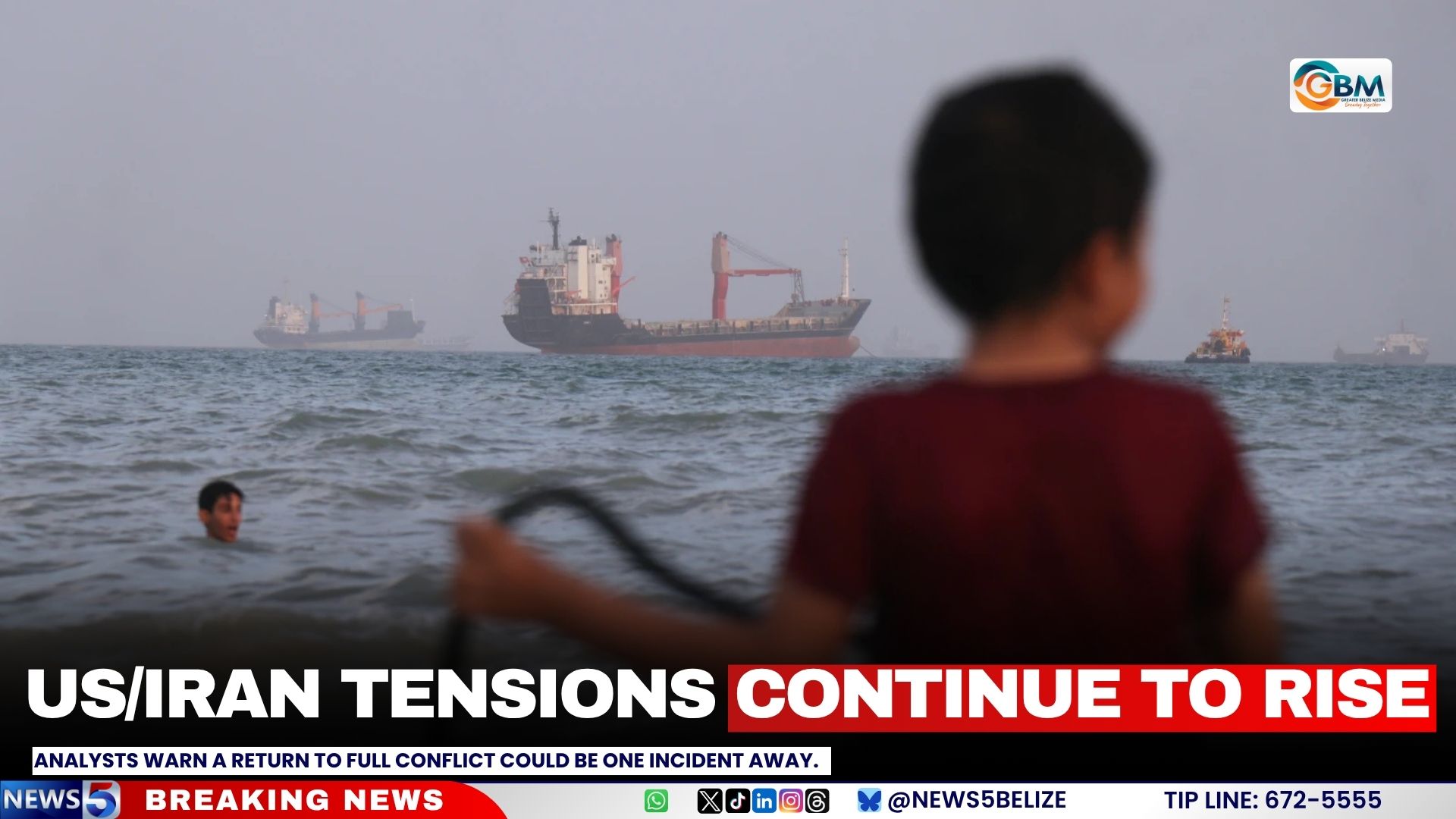
As the standoff between the United States and Iran enters its fourth week, the fragile ceasefire that has prevented the Strait of Hormuz — the world’s most vital oil shipping chokepoint — from erupting into full-scale war is unraveling at an accelerating pace, sending shockwaves through global energy markets and raising urgent alarm across the Middle East.
The latest escalation unfolded on Monday, after the United States launched its so-called “Project Freedom” operation, a mission designed to provide armed escort for commercial cargo vessels transiting the strategic waterway. Within hours of the operation’s debut, both US and Iranian forces exchanged direct fire in the strait, marking the most severe test of the truce agreement since it was implemented.
Contradictory statements emerged from US leadership on Tuesday, as Defense Secretary Pete Hegseth publicly asserted that “the ceasefire is not over” despite confirmation from General Dan Caine, Chairman of the Joint Chiefs of Staff, that Iranian forces have launched more than ten separate attacks on US military assets since the truce went into effect. According to reporting from the Associated Press, Iran has also targeted commercial shipping vessels nine times over the course of the standoff and seized two foreign container ships. US officials have so far characterized these actions as remaining “below the threshold of restarting major combat operations,” a framing that has left observers uncertain about Washington’s next moves.
Regional tensions spilled over to neighboring Gulf states on Monday, when the United Arab Emirates announced it had successfully intercepted 15 Iranian ballistic missiles and four unmanned aerial drones launched toward its territory. In response, Iran’s foreign ministry issued a stark warning to the UAE, urging the country not to allow itself to be “dragged back into a quagmire” of open conflict between Washington and Tehran. A senior anonymous regional source speaking to CNN summed up the gravity of the current situation bluntly: “It is very bad and messy at the moment.”
The escalating crisis has already had a direct impact on global energy prices, with benchmark petrol prices rising 50% since the outbreak of hostilities in the region. Hundreds of commercial tankers are currently stranded outside the strait, as shipping companies reroute vessels to avoid the high-risk zone, creating massive supply chain backlogs that threaten to further raise energy costs for consumers worldwide. CNN reports that global oil demand is now declining at the fastest rate recorded since the height of the Covid-19 pandemic, a shift that has done little to offset price pressures driven by supply uncertainty.
With neither Washington nor Tehran showing any willingness to make diplomatic concessions to de-escalate tensions, energy and security analysts warn that the entire region is just one accidental or intentional incident away from a full resumption of large-scale combat that would disrupt nearly a fifth of the world’s daily oil supply, with catastrophic consequences for the global economy.