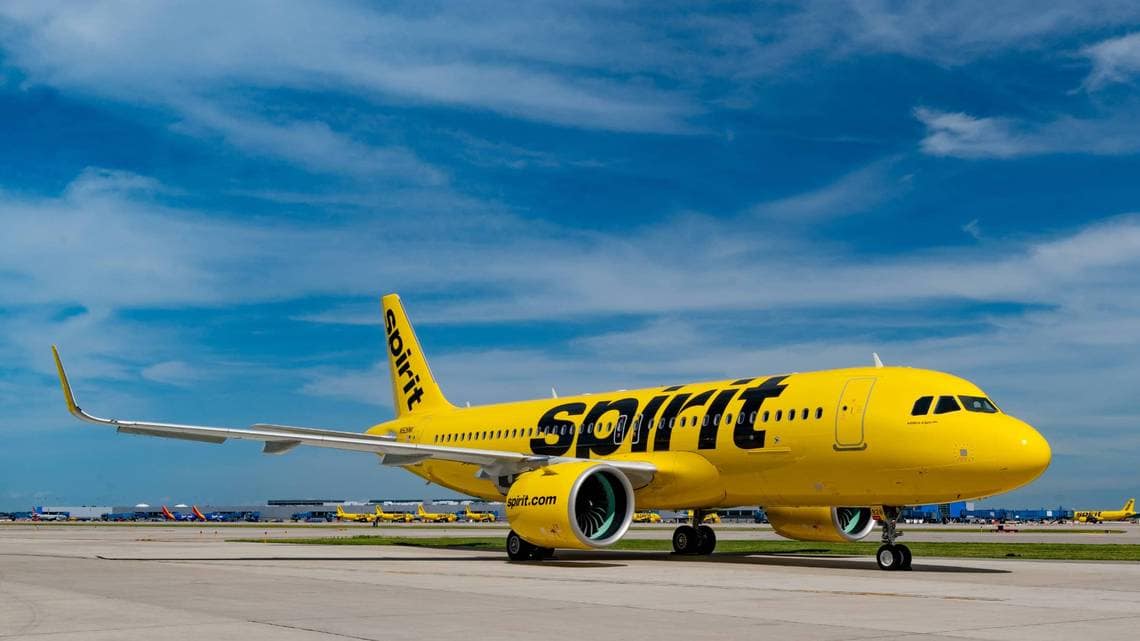
In a landmark shift for the U.S. low-cost aviation sector, pioneering discount carrier Spirit Airlines has abruptly halted all operations overnight after failing to secure critical emergency funding to keep its fleet in the sky. The collapse of the 30-year-old budget airline has eliminated 17,000 jobs and removed a major source of affordable air travel from domestic and international markets, leaving tens of thousands of ticketed passengers scrambling for alternative arrangements.
Unlike smaller U.S. airline failures recorded in recent years, Spirit’s shutdown carries far broader ripple effects: the carrier operated an extensive network connecting major U.S. hubs including New York, Los Angeles, Miami and Detroit, alongside popular leisure destinations across Latin America and the Caribbean, served entirely by a fleet of Airbus aircraft. For passengers holding unused Spirit tickets, the airline has outlined initial guidance for reimbursement, though uncertainty remains for many bookers.
Tickets purchased directly from Spirit via credit or debit card will be automatically refunded, the company confirmed. Travelers who booked through third-party travel agencies have been directed to file refund requests through their respective agencies. For bookings made with Spirit loyalty points, vouchers or airline credit, Spirit says reimbursement terms will be finalized through the upcoming bankruptcy process, but travel industry analyst Henry Harteveldt, founder of the Atmosphere Research Group, warned that affected passengers have almost no chance of recovering that value.
The airline has also urged all ticketed passengers not to visit airport terminals, as all Spirit customer service and ground operations have already been shut down following mass layoffs of its staff. While stranded passengers will not be able to get on-site assistance from Spirit, competing carriers across the U.S. have stepped in to offer capped, discounted fares to displaced Spirit customers, mirroring the coordinated response the industry typically mounts during hurricanes or large-scale natural disasters.
Among the carriers offering relief, JetBlue Airways has moved fastest to expand its support. The airline will cap one-way fares for displaced passengers at $99 through May 6, requiring proof of a canceled Spirit itinerary to access the rate. For the high-traffic Fort Lauderdale-San Juan route, a core Spirit route that JetBlue already has major operations on, one-way fares will be capped at $299 for bookings made between May 1 and May 8. “With major operations in Fort Lauderdale and San Juan, we’re in a unique position to help Spirit customers get where they need to go and ensure flights remain affordable despite greater demand,” said JetBlue CEO Joanna Geraghty. JetBlue also announced plans to dramatically scale up its Fort Lauderdale operations this summer, launching 130 daily departures — a 75% increase from 2023 — and adding new service to destinations including Barranquilla and Cali in Colombia, Baltimore, Charlotte, Detroit, Chicago and Houston.
Southwest Airlines has also put in place a tiered fare cap system: domestic one-way trips under 500 miles will cost no more than $200, trips between 500 and 1,000 miles are capped at $300, and trips over 1,000 miles are capped at $400, with all fares available for purchase directly at airport ticket counters. Southwest added it will also honor Spirit frequent flyer status and associated benefits for affected customers, including early boarding. American Airlines, Frontier Airlines and United Airlines have all followed suit with their own fare cap initiatives, while the broader industry has coordinated to get displaced Spirit flight crews back to their home bases.
The collapse of Spirit, best known for its signature bright yellow aircraft, ultra-low base fares and unbundled pricing for add-on services, follows years of mounting financial pressure. The carrier had been teetering on the edge of liquidation for weeks after it failed to reach an agreement with bondholders to unlock a $500 million emergency support package, and filed for its second bankruptcy in less than 12 months last year.
Multiple interconnected factors led to the airline’s ultimate collapse. A proposed acquisition by JetBlue was blocked by antitrust regulators, eliminating the airline’s clearest path to financial stability. At the same time, rising fuel and labor costs upended the carrier’s thin-margin business model, and a widespread manufacturing defect in Pratt & Whitney jet engines forced dozens of Spirit aircraft to be grounded indefinitely, cutting into the airline’s ability to generate revenue. Shifting consumer trends also worked against Spirit: post-pandemic demand for premium, full-service travel has surged, while large legacy carriers have rolled out their own basic economy fares that match Spirit’s low price points while offering larger route networks and included perks like free Wi-Fi, complimentary snacks, more legroom and airport lounges.
Looking ahead, aviation analysts predict that the exit of a major discount carrier will push airfares higher in at least some markets, even after accounting for the fact that Spirit had already sharply scaled back its flight schedule in the months leading up to its shutdown. Major competing airlines have already been adding capacity on Spirit’s former routes and at its hub airports, and will accelerate that expansion in the coming months to absorb displaced demand.