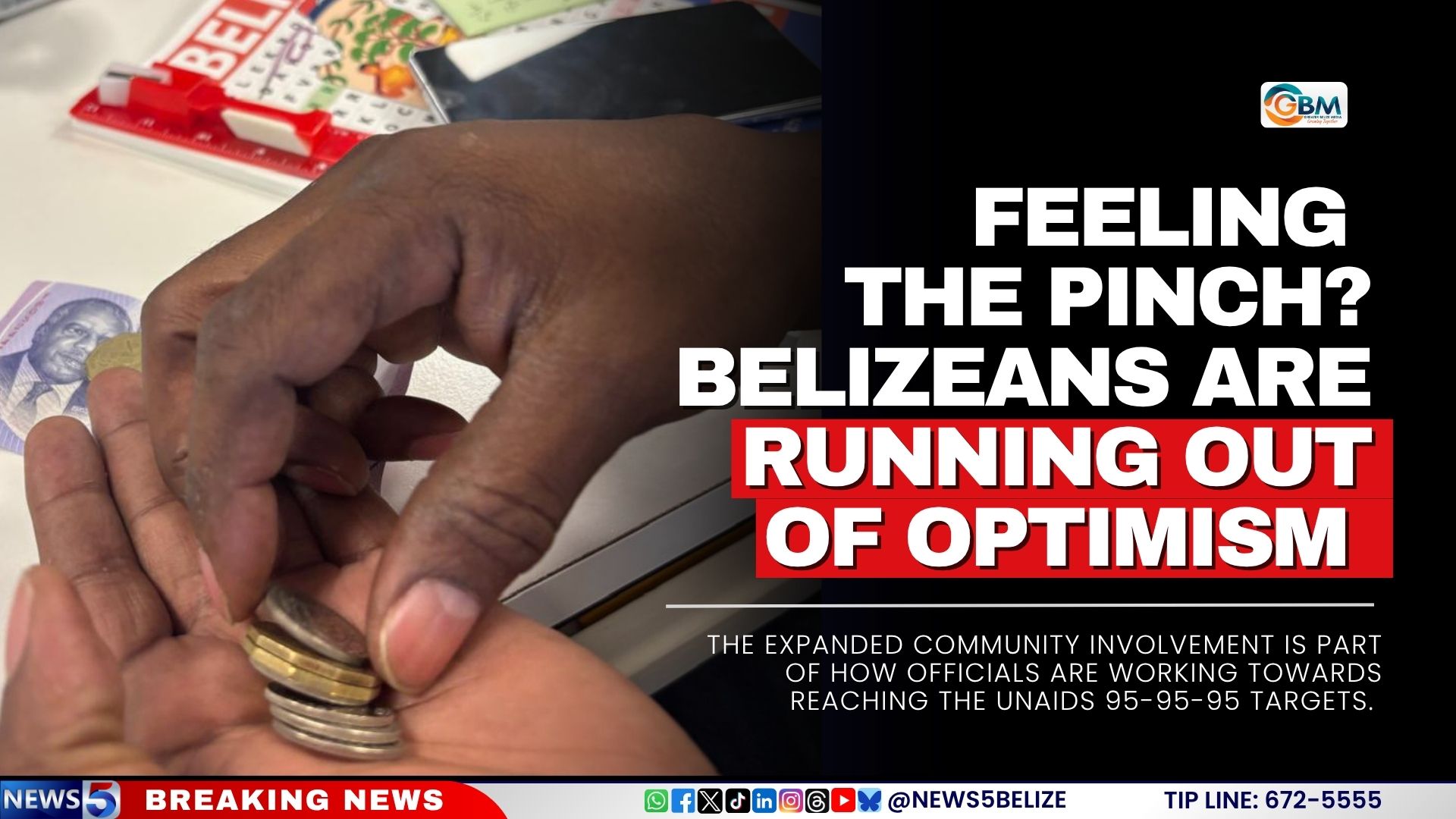
As households across Belize grapple with mounting financial pressures, the country’s consumer optimism has hit its sharpest monthly decline in nearly a year, according to fresh data released by the Statistical Institute of Belize. The latest national Consumer Confidence Index (CCI), a key metric tracking public sentiment toward personal finances and big-ticket spending, recorded a 4.5% drop in March 2026, sliding from 47.8 to 45.7 — the steepest month-on-month fall since June 2025.
Every core segment of the closely watched index weakened over the period, signaling broad-based economic unease across the country. Forward-looking expectations for future financial conditions fell by 4.9%, while assessments of current economic circumstances dropped 4.2%. Most notably for broader economic growth, consumer willingness to commit to major purchases — including property, vehicles, and large household furniture — declined by 4.3%, a trend that could dampen demand across multiple key sectors in the coming quarters.
The report also reveals stark divides in how different demographic and geographic groups are experiencing the current economic climate. Urban residents have borne the brunt of fading optimism, with city-based consumer confidence plummeting 9.2% month-on-month, compared to a marginal 0.7% dip among their rural counterparts.
At the district level, the Belize District recorded the most dramatic drop in consumer sentiment. Among age groups, young Belizeans between 18 and 24 years old saw the largest single-month decline, with their confidence index falling a staggering 13.9% — a reading that points to growing economic anxiety among the country’s emerging working population.
Against this national downward trend, the Stann Creek District stood out as the only outlier. Bucking the nationwide slump, consumer confidence in Stann Creek jumped 12.6% in March, pushing the district’s index into positive, optimistic territory for the first time in recent quarters. Analysts are yet to release detailed breakdowns of what is driving the regional divergence, but the disparity highlights uneven economic conditions across Belize’s different regions as households navigate ongoing cost-of-living challenges.