During a high-profile G7 finance event held in Paris, the Barbados-headquartered Caribbean Development Bank (CDB) has announced a series of groundbreaking financial collaborations and policy initiatives aimed at expanding its lending capacity and accelerating climate resilience investment across the Caribbean region.
At the core of the new announcements is a landmark $200 million first-loss portfolio guarantee launched in partnership with the Government of Canada. Once all administrative and regulatory formalities are completed, this guarantee is projected to cut credit risk weighting on CDB’s balance sheet, unlocking a minimum of $400 million in additional lending capacity for the bank’s regional development projects.
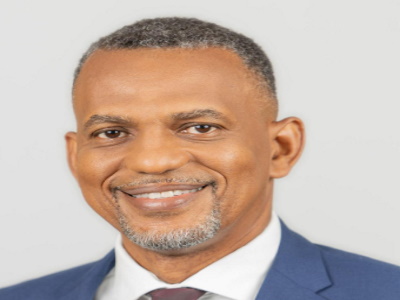
CDB President Daniel Best presented these initiatives to global finance leaders gathered at the Finance in Common G7 Special Event, framing the moves as part of the institution’s ongoing work to pioneer innovative financing models among multilateral development banks (MDBs). Speaking on the event’s theme “Instruments to Lower the Cost of Capital”, Best emphasized the unique structural challenges smaller MDBs face, and outlined how targeted balance sheet adjustments can overcome these barriers to expand support for borrowing member nations.
One of the most notable existing success stories highlighted by Best is the bank’s pioneering Exposure Exchange Agreement (EEA), a $450 million transaction completed in partnership with the Central American Bank for Economic Integration. As the first agreement of its kind in the multilateral development space, the EEA has dramatically lowered concentration risk in CDB’s sovereign loan portfolio. Best reported that within just 12 months of the transaction’s completion, the bank’s concentration ratio for its top five borrowers fell from 61% to 38% — all without requiring any new capital injection from existing shareholders. For a small MDB where concentration limits often cap total lending volume, this adjustment immediately translated to expanded capacity to serve member countries across the Caribbean, he added.
Best also used the Paris platform to showcase CDB’s collaborative leadership in tackling the region’s most pressing dual challenge: soaring national debt levels paired with extreme climate vulnerability. The bank is currently developing a multi-guarantor debt-for-resilience swap initiative alongside four major regional and global development institutions: the Inter-American Development Bank, the World Bank, and the Development Bank of Latin America and the Caribbean (CAF).
By combining guarantee support from partner MDBs and private sector investors, Best explained, the initiative will create much-needed fiscal space for Caribbean nations to invest in proactive climate resilience infrastructure before extreme weather events strike — all without increasing countries’ net debt levels. The core objectives of the framework are to cut borrowing costs for participating nations, extend debt maturities, and enable long-term, forward-looking climate investment that protects vulnerable communities.
To further strengthen its long-term financial stability and lending capacity, CDB is also developing a new innovative loss-absorbing tool: the Contingent Capital Facility (CCF), which is structured to qualify as regulatory tier two capital for the bank. Under this mechanism, highly credit-rated CDB shareholders will commit pre-agreed capital that will only be called upon if predefined economic or financial stress scenarios occur. The bank notes that this structure ensures capital support is contractually available exactly when systemic stress hits, strengthening CDB’s own financial resilience while protecting its investment-grade credit rating.