The second day of the inaugural film program at Art and City, part of the broader Jazz and Arts Festival, drew a smaller-than-expected audience to its curated lineup of regional Caribbean creative work, capping off a debut that blends promising emerging talent with growing organizational challenges.
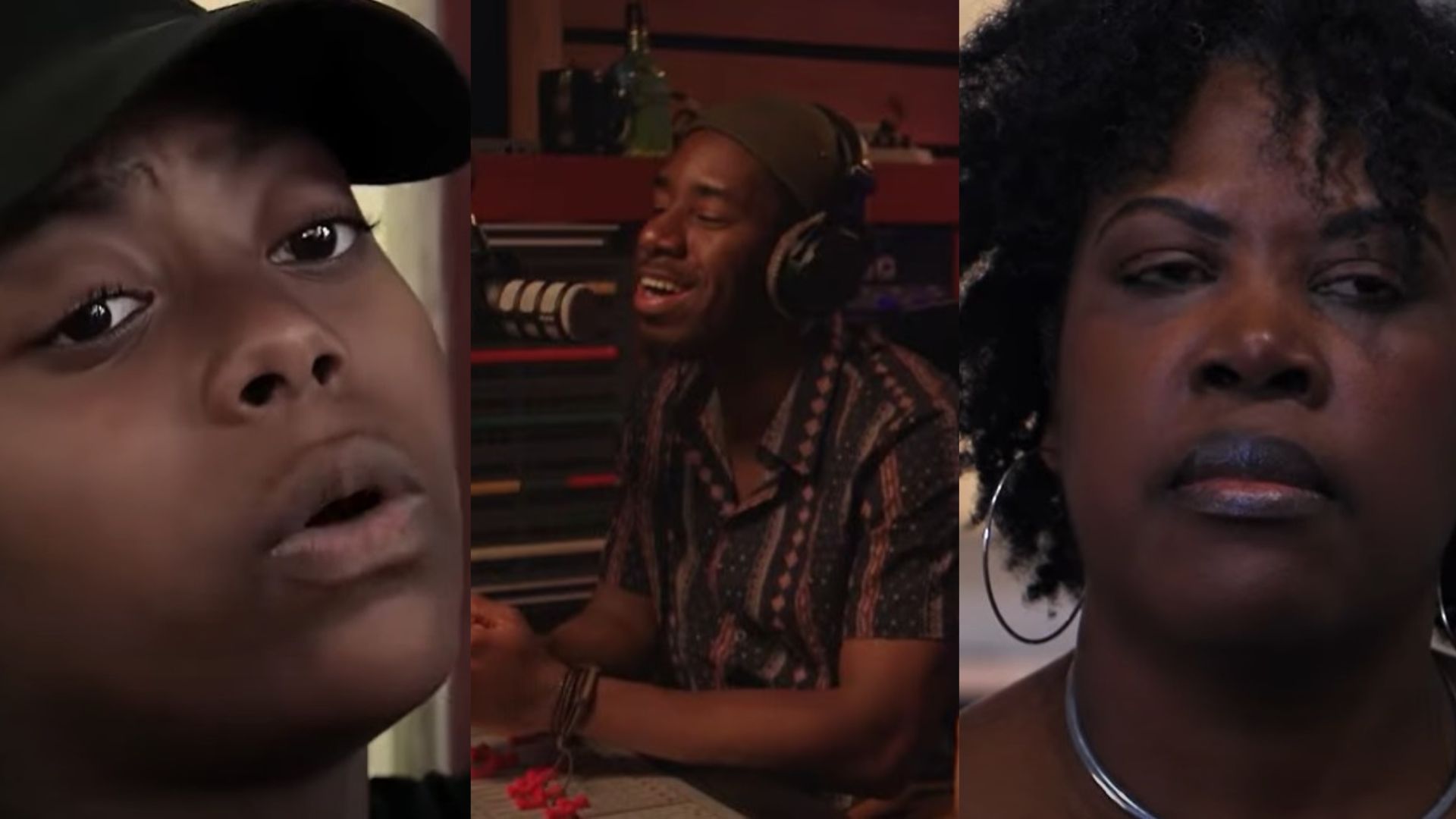
For this year’s event, organizers added a dedicated film track to the two-day Art and the City schedule, marking the first time moving image work has taken a formal place at the festival. The day two lineup featured three independently produced short films, followed by a feature-length documentary. Two of the shorts came from Trinidadian filmmaker Demedrius Charles: *The Bench* and *Voice of Reason*, while the third, *Lettre La*, was created by US-based Saint Lucian filmmaker Kyvon Edwin. The feature on the schedule was *Carnival: They Can’t Steal Our Joy*, which features photographer and storyteller Fiona Compton. Notably, one previously advertised title, Kevin Adams’ *Queen of Soca*, was ultimately not screened during the event.
Organizational missteps contributed to the low turnout, attendees and organizers acknowledged. Full screening schedules for both days were only finalized and shared in the immediate lead-up to the festival’s opening day on Sunday, April 26, leaving many potential attendees unaware of the film programming timing. On day two, last-minute changes to the running order—an announcement that the short film block would be screened twice back-to-back before the feature presentation—created confusion for audience members who arrived without updated information, leading some to miss the feature screening entirely.
Despite these logistical hurdles, the quality of the selected films demonstrated clear potential for the new program, with thoughtful curation that highlighted diverse voices and thematic perspectives from across the Caribbean. Charles’ *The Bench* centers on the experiences of adolescents navigating the complexities of coming of age in an increasingly digital world, exploring the harmful fallout of misuse of digital technology and the stabilizing power of human connection for young people. A core strength of the project is its commitment to elevating emerging young performance talent, giving emerging creators a chance to share their work on a public festival screen. Industry veteran Claudia Turner delivers a particularly memorable stand-out performance in the film. While the production does show minor technical flaws, most notably inconsistent audio levels, these issues do not overshadow the film’s core narrative; the low-budget, raw aesthetic aligns with the project’s independent, grassroots mission, so technical shortcomings do little to undermine the overall viewing experience.
The strongest critical reception went to *Lettre La*, from writer-director and star Kyvon Edwin, who assembled a cast of creative talent from across the Caribbean, including artists from St. Kitts, for the project. Named for the iconic late radio show created by Juke Bois, the short film offers a intimate, raw portrait of the emotional upheaval that unfolds when a long-term romantic relationship nears its end. Edwin and his co-stars deliver grounded, compelling performances, paired with seamless, professional production quality that makes the narrative feel immersive and engaging from start to finish.
Charles’ second short, *Voice of Reason*, takes a bold narrative approach to unpacking layered, complex topics ranging from family dynamics and public health to cultural heritage and alternative spiritual and medicinal practices. Like *The Bench*, the project’s greatest strength is its thoughtful, intentional storytelling, and it would reach an even higher level of quality with refined technical execution.
Looking at the full debut of the Art and the City film program, the overall trajectory is a positive one: even with the logistical missteps that limited turnout and caused audience confusion, adding film to the festival lineup is a welcome, promising development for Caribbean creative industries. With more advance planning, clearer communication, and increased resourcing in future years, the film component has the potential to grow into a staple of the festival, providing a vital platform for emerging Caribbean filmmakers and supporting the continued expansion of the regional independent film sector.