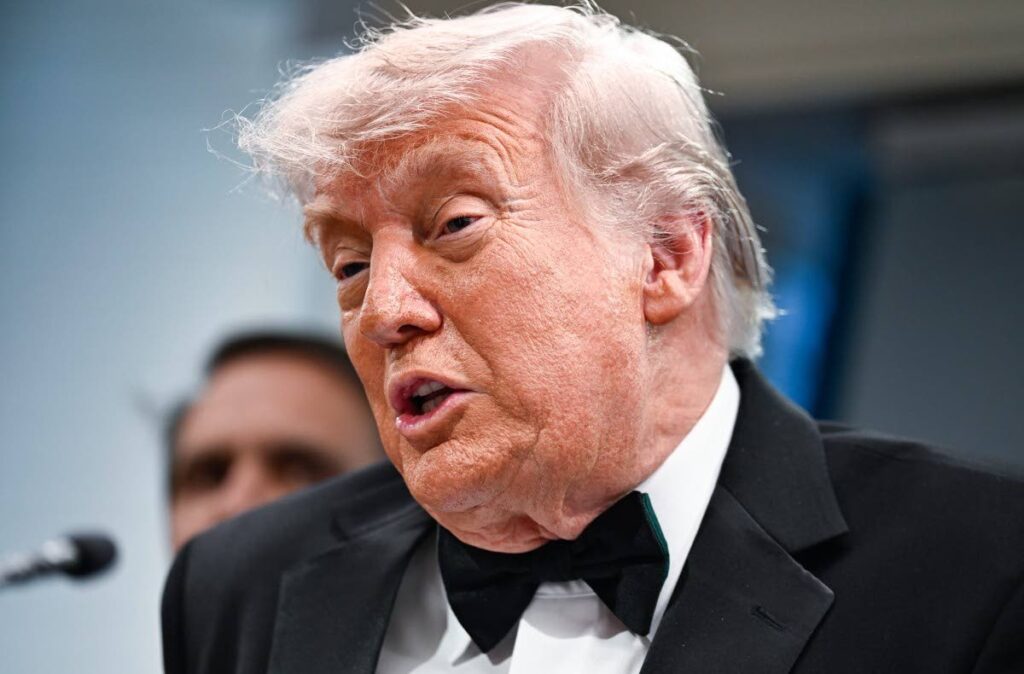
Global financial markets kicked off a high-stakes trading week with mixed trading across equities and rising crude oil prices on Monday, as diplomatic efforts to de-escalate tensions between Iran and the United States hit an unexpected standstill. What began as a surge of optimism over potential new negotiations between Washington and Tehran over the weekend quickly fizzled out, after former US President Donald Trump called off a planned meeting between negotiating envoys this past Saturday.
The breakthrough in hopes came after Iranian Foreign Minister Abbas Araghchi’s diplomatic visit to Islamabad over the weekend, which spurred early speculation that both sides could return to the bargaining table to resolve ongoing conflict. However, on Monday, Araghchi publicly placed blame for the collapsed talks squarely on Washington, citing what he called “excessive demands” from US negotiators during the first and only planned round of negotiations in Pakistan. He also reaffirmed that unobstructed safe passage through the Strait of Hormuz, the critical global chokepoint for energy shipments that remains largely closed amid the ongoing standoff, is a non-negotiable priority for the international community.
Speaking to Fox News, Trump downplayed tensions following the cancellation, noting that Iran could reach out to initiate new talks at any time if it is willing to negotiate, and added that the scrapped meeting does not mean a return to open military hostilities. According to anonymous sources familiar with the proposal cited by US news outlet Axios over the weekend, Iran had tabled a new peace proposal that would prioritize reopening the Strait of Hormuz and ending the US naval blockade of the waterway, while pushing controversial nuclear negotiations back to a future date. That proposal had been enough to temper sharp gains in crude oil markets, as traders held out some residual hope that a diplomatic agreement could still be reached eventually.
Against this geopolitical backdrop, both benchmark global crude oil contracts climbed higher on Monday. Brent crude, the global benchmark for two-thirds of the world’s oil trade, pushed above $108 per barrel, lifted by persistent concerns over disrupted energy supplies through the Strait of Hormuz, which carries roughly a fifth of all global oil shipments. Gains were held in check however by lingering hopes that the new Iranian proposal could open a path to a diplomatic resolution.
Global stock markets traded unevenly through the session, as investors shifted to a cautious wait-and-see approach ahead of a packed week of monetary policy decisions from major central banks and a wave of high-profile corporate earnings reports. On Wall Street, both the S&P 500 and the Nasdaq composite posted small incremental gains to close the day at new all-time record closing highs, bucking the broader cautious trend. In contrast, the Dow Jones Industrial Average pulled back from recent highs, joining leading indices across Europe and Asia that finished the trading session in negative territory.
Derren Nathan, head of equity research at leading UK financial services firm Hargreaves Lansdown, noted that investor optimism for a quick diplomatic breakthrough on Iran was always muted from the start. “It may be that hopes of a diplomatic breakthrough were pretty faint to start with, and markets are now in wait-and-see territory ahead of a heavy week of earnings and economic touchpoints,” Nathan explained.
With energy prices remaining elevated and persistent inflationary pressures still being felt across major advanced economies, market analysts broadly expect the US Federal Reserve will hold interest rates steady at its policy meeting on Wednesday. The Federal Reserve’s decision will be followed by similar policy announcements from the European Central Bank and the Bank of England later in the week, with all three central banks widely projected to keep borrowing costs unchanged as they assess incoming economic data.