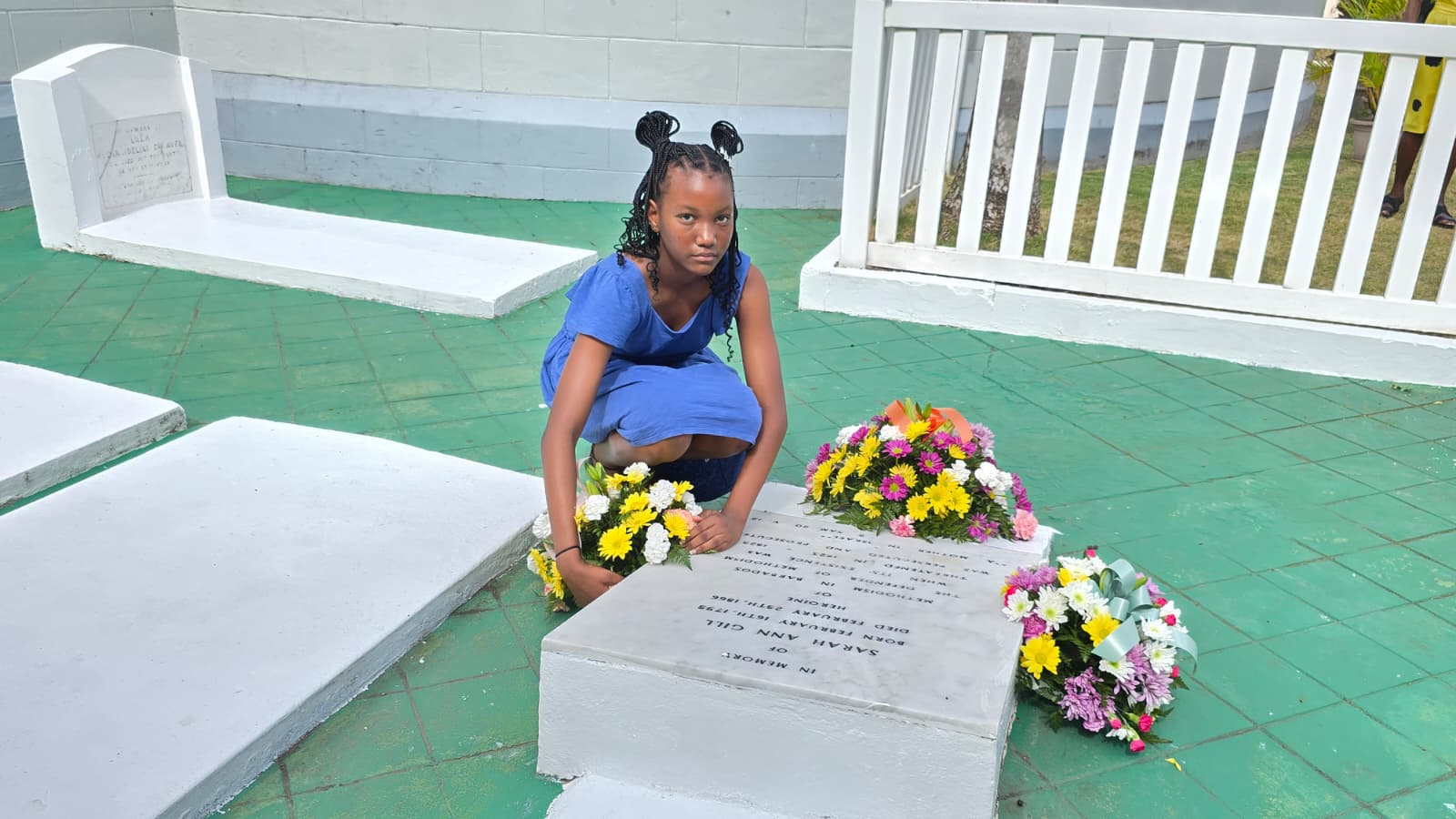
As the Methodist Church in Barbados celebrates 236 years of continuous operation on the island, community leaders have gathered to honor the enduring legacy of Sarah Ann Gill, the country’s beloved National Hero and a groundbreaking champion of religious freedom who rose to prominence during an era of violent persecution against dissenting faith communities.
The commemoration took the form of a quiet, respectful wreath-laying ceremony held Sunday at Bridgetown’s James Street Methodist Church, where senior Methodist preacher Natalie Phillips delivered a reflective address exploring Gill’s lifelong work and its ongoing relevance to the church’s core mission of advancing equal rights and unhindered freedom of worship.
“Even when she faced brutal persecution and open death threats, Sarah Ann Gill never abandoned the Methodist cause,” Phillips told attendees. “She kept the spirit of our faith alive, provided critical education to enslaved people at great personal risk, and spent her life pushing for greater religious and racial tolerance across Barbadian society.”
Phillips emphasized that Gill’s contributions stretched far beyond her own individual acts of courage, pointing to the broader, trailblazing role the early Methodist Church played in challenging systemic racial injustice during the height of chattel slavery in the Caribbean. “At a time when every legal and social institution on the island — including the government-established church — openly classified African people as property to be bought and sold, this denomination stepped straight into the heart of Bridgetown’s oppressive power structure to defend the full humanity of enslaved and free African people across the region,” she said.
Against this backdrop of deadly systemic oppression, Gill remained unwavering in her deeply held convictions, Phillips noted. “Strengthened by her Christian faith and the church’s mission of justice, she never bowed to threats of violence or death, even when those threats were carried out against her. She refused to step back from the work that mattered most.”
Gill did more than just provide spiritual support to marginalized communities; she actively challenged the legal and institutional systems that perpetuated chattel slavery, all while expanding access to education and religious instruction for enslaved Africans across the island. “She took on the most powerful, self-interested defenders of slavery that sat in the colonial parliament, and she won,” Phillips explained. “By expanding access to religion and education for the enslaved, she accelerated the movement toward full emancipation that would eventually end slavery in Barbados.”
Phillips also reminded the audience of the severe legal risks Gill took to carry out this work. “We have to remember that in that period, colonial law explicitly criminalized educating enslaved people. Every lesson she gave was an act of open rebellion against an unjust system.”
Beyond her immediate impact on the fight against slavery, Gill left a lasting physical and symbolic legacy across Barbados that endures to this day. Multiple houses of worship, including the Gill Memorial Church, bear her name, and she is buried in the James Street Methodist Churchyard — a plot of land that was Gill’s own private property, which she donated to build the church in the first place.
Even though her final resting place is a modest, unassuming site, its meaning far outstrips its simple appearance, Phillips said. “Her grave is quiet and understated, a stark contrast to the monumental, transformative contribution she made to both religious life and the broader social fabric of Barbados.”
In closing, Phillips noted that Gill’s legacy remains a critical guiding example for faith communities across the world grappling with modern social justice challenges. Her message of unyielding hope and resilience has stood the test of time, and her extraordinary courage and commitment to justice have secured her an immortal place in Barbadian history.