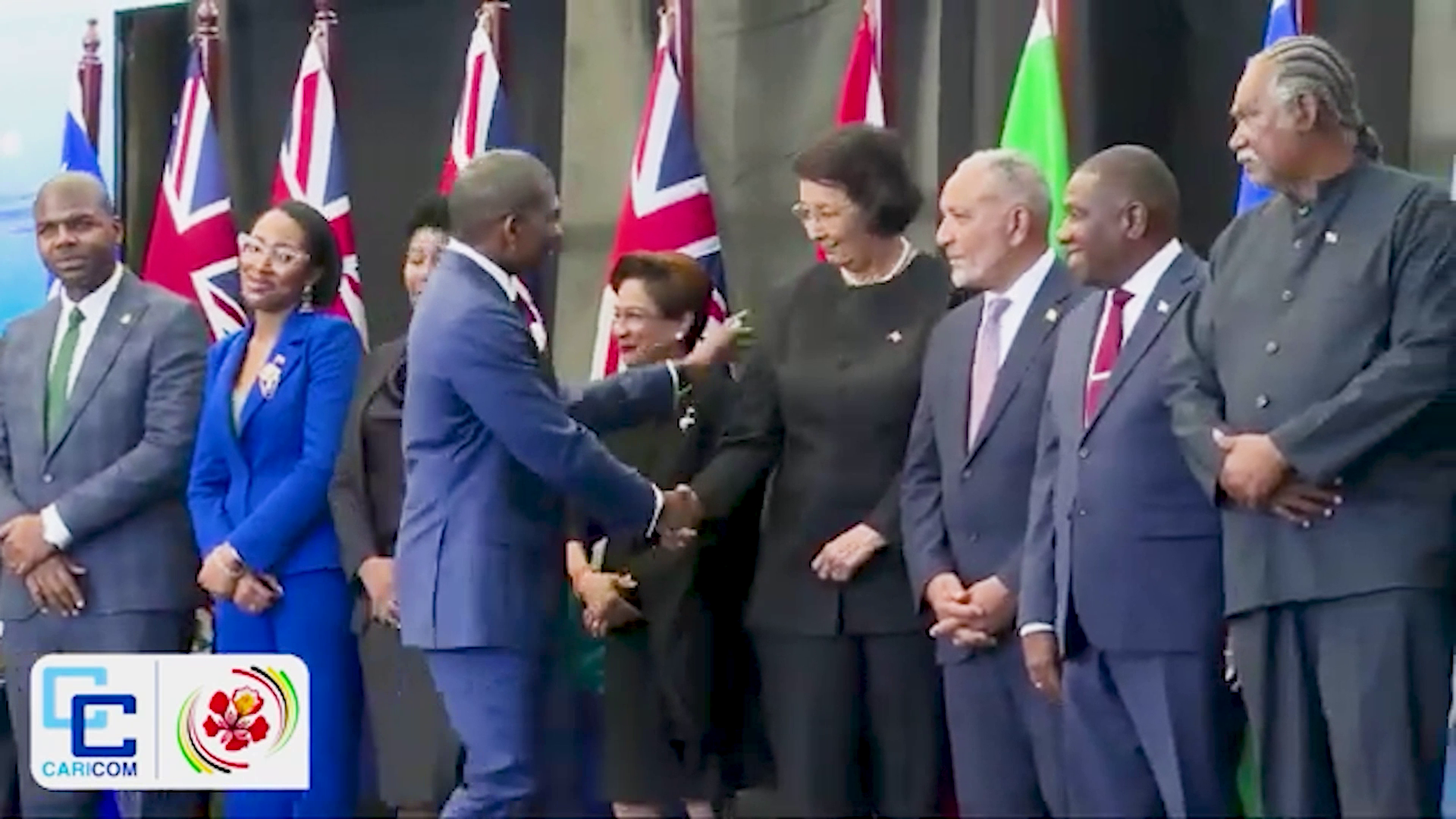
A bitter public dispute over the reappointment of CARICOM Secretary General Dr. Carla Barnett has fractured the usually cohesive facade of the Caribbean regional bloc, with a retired top official warning that the open conflict could cause lasting damage to the organization’s core mission. The standoff erupted after Trinidad and Tobago issued a stark public ultimatum in late April 2026: it will withdraw critical financial contributions to the bloc unless member leaders revisit the approval of Barnett’s second term.
Trinidad and Tobago’s leadership has put forward two core grievances to justify its hardline position. Officials claim the bloc’s progress has ground to a standstill during Barnett’s first term, and add that Trinidad was denied any meaningful input when the decision to reappoint her was originally made. The position has pitted the twin-island nation directly against Belize, whose prime minister and foreign minister have both issued public statements unreservedly backing Barnett’s continued leadership.
The unprecedented public airing of internal tensions has drawn a sharp warning from Ambassador Byron Blake, a former Assistant Secretary General of CARICOM who retired from the bloc after decades of service. Blake argues that the public fight over the secretary general’s appointment is likely a distraction from deeper underlying rifts, framing the leadership dispute as little more than a “smoke screen” for broader disagreements within the bloc.
Even so, Blake stressed that the very fact the conflict has spilled into public view poses a severe threat to CARICOM’s functionality. In comments originally made during a televised evening broadcast, he noted that the organization has always historically resolved internal differences through closed-door caucuses and quiet diplomacy, and this open public clash over a leadership appointment has no precedent in CARICOM’s history.
“A public disagreement with the sitting secretary general is almost suicidal,” Blake explained. “It means that the secretary general, who has to move among countries and among heads of government, will not get cooperation in terms of the programs and the activities. And that then would really be very destructive for the movement.”
Beyond the immediate damage to ongoing initiatives, Blake added that the public dispute erodes trust in how CARICOM operates, casting doubt on the bloc’s ability to navigate internal differences to deliver collective progress for member states. He urged leaders to come to a swift resolution to the standoff, warning that prolonged division will only deepen harm to the regional integration project that CARICOM was built to advance.