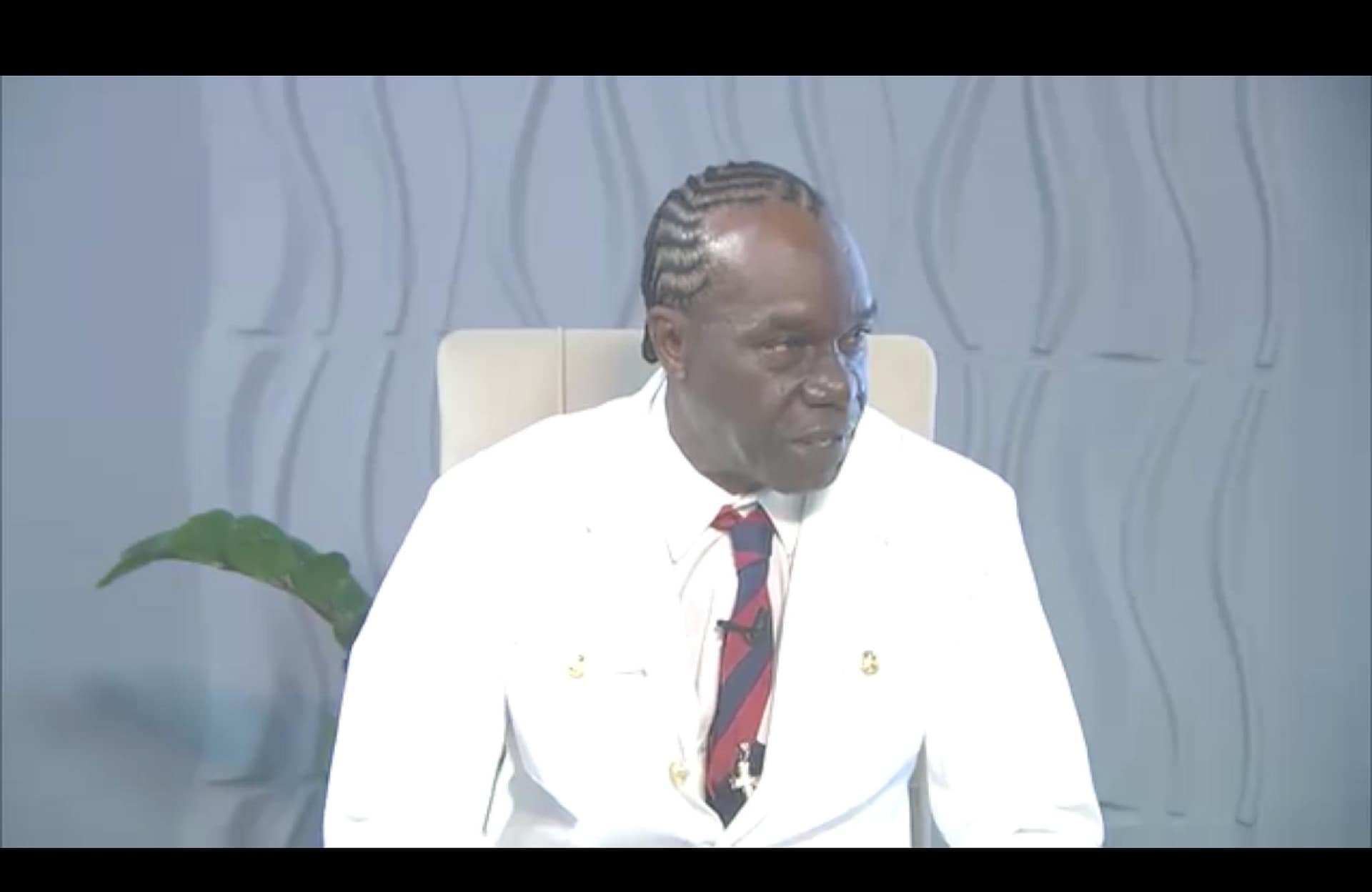
As Antigua and Barbuda prepares for its April 30 general election, independent contender Nigel Bascus is carving out a distinct non-partisan platform for the hotly contested St. John’s Rural West parliamentary seat, positioning collaboration over partisan division as the cornerstone of his campaign. Speaking in a recent interview on ABS Television’s flagship voter education program “Know Your Candidate”, the professional fisherman-turned-politician explained that his decision to run outside of the two major established parties stems from a desire to escape rigid partisan constraints, allowing him to prioritize the specific needs of his constituents above party loyalty.
A defining promise of Bascus’s campaign is that, if elected, he will freely align with whichever political party secures a majority to form the next national government. He argues that constructive cross-party cooperation, rather than systemic opposition aimed at undermining opposing groups, is the only way to deliver meaningful progress for citizens. “I will align myself with any government,” Bascus stated, emphasizing that national leaders must set aside factional differences to “work together” instead of “bringing down one another.”
The independent candidate did not hold back in criticizing the dominant political culture across the nation, arguing that decades of partisan politics have produced more empty rhetoric than tangible action. He pointed to a long-running pattern of unfulfilled campaign pledges, noting that “it’s a lot of promises, and at the end of the day, nothing happen.” Bascus stressed that politics demands greater accountability and a laser focus on delivering concrete, measurable results that improve everyday life for Antigua and Barbuda’s residents, adding that “we need more action.”
Drawing on his decades of professional experience in the fishing industry, Bascus has put forward a targeted policy agenda centered on leveraging Antigua and Barbuda’s unique natural resources to drive economic growth. Echoing the proverb that “the devil finds work for idle hands”, he has called for expanding vocational training programs in high-demand local trades including fishing, mechanics, and other skilled sectors to reduce unemployment. He specifically highlighted the untapped potential of the domestic fisheries sector, particularly aquaculture, which he projects could grow into a multi-billion-dollar industry for the island nation. Bascus argues that Antigua and Barbuda should shift away from its heavy reliance on imported goods, focusing instead on developing sectors where it holds a natural competitive advantage, with the goal of expanding exports to boost the local economy. “We have to work with what we have,” he said. “Instead of import, we need to export.”
At the constituency level, Bascus has outlined three core priorities: improved waste management infrastructure, expanded youth employment opportunities, and better access to affordable transportation and healthcare services for local residents. To increase transparency and accountability for public spending, he has proposed establishing a dedicated, publicly accessible account for all constituency-level funds. He also plans to allocate a portion of his parliamentary allowance to directly support vulnerable residents in need, with community input guiding decisions on how funds are distributed. “I’m planning to use my constituency allowance… and make an open account,” he explained, adding that local residents will have a direct voice in how assistance is allocated. Additional targeted commitments include securing dedicated transportation for residents traveling to access medical care and expanding targeted resource support for low-income and vulnerable families.
Bascus is one of three candidates competing for the St. John’s Rural West seat in the upcoming election, facing off against established nominees from the country’s two leading political parties: the Antigua and Barbuda Labour Party and the United Progressive Party. In closing his appeal to voters, Bascus framed his candidacy as a break from traditional partisan politics, focused entirely on delivering results rather than advancing factional interests. “Politics need to be upgraded,” he said. “We’re going to make history.”