GEORGETOWN, Guyana — One of South America’s most enduring territorial conflicts is set to enter a critical new chapter next month, as the United Nations’ highest judicial body, the International Court of Justice (ICJ), prepares to launch oral arguments on the decades-long border dispute between Guyana and Venezuela beginning May 4.
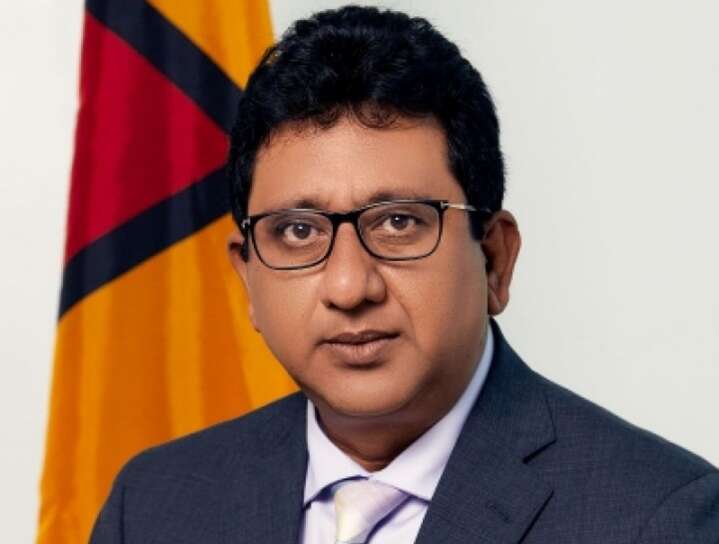
Speaking during his weekly public affairs program Issues in the News, Guyana’s Attorney General and Minister of Legal Affairs Mohabir Anil Nandlall confirmed the hearings are slated to run from May 4 through 8, with the possibility of extending into the subsequent week to accommodate full arguments from both nations.
The upcoming proceedings mark a major milestone for Guyana’s years-long push to secure a final, peaceful, and internationally binding resolution to the conflict centered on the Essequibo region, a sprawling territory that makes up more than two-thirds of Guyana’s total land area.
The roots of the dispute stretch back to the 1899 Arbitral Award, which established the official border between the two countries. That ruling remained unchallenged for more than six decades, until Caracas formally declared the award null and void in 1962 and reactivated its long-dormant claim to the Essequibo. In 2018, Guyana took the step of referring the case to the ICJ, asking the court to formally affirm the full legal validity of the 1899 border agreement.
The judicial process adheres to the terms of the 1966 Geneva Agreement, a multilateral pact that sets out structured frameworks for a peaceful resolution between the two parties. When years of bilateral negotiations failed to deliver a breakthrough, the United Nations Secretary-General formally referred the entire dispute to the ICJ for adjudication.
The court has already cleared a key procedural hurdle, ruling in prior proceedings that it holds legitimate jurisdiction over the case. That decision cleared the way for the upcoming hearings on the substantive merits of the dispute, during which legal teams from both Guyana and Venezuela will present their complete legal arguments and evidence to the panel of judges.
To date, Guyana has consistently maintained that the ICJ judicial process is the sole legitimate and internationally recognized pathway to resolving the conflict. Venezuela, for its part, has a long history of questioning the court’s authority over the matter, even as it has taken part in procedural steps including the filing of written legal submissions to the court.
The oral hearings come after all written pleadings from both sides were completed in 2025. Once arguments conclude, the ICJ will deliberate on a final ruling, which will be legally binding on both nations and is widely expected to bring long-awaited legal clarity to one of the Western Hemisphere’s longest-running territorial controversies.