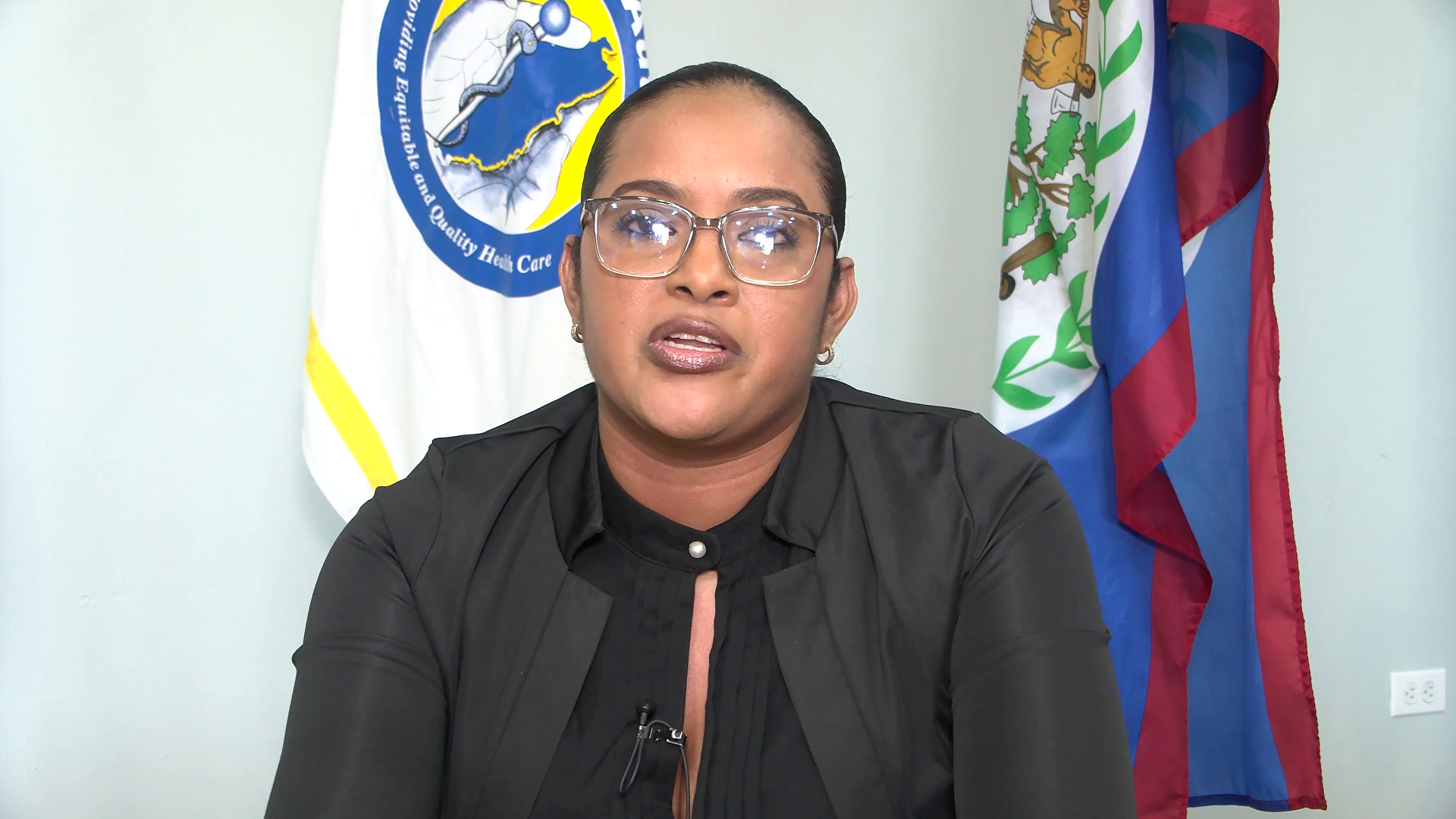
When Sharine Reyes stepped into the role of Chief Executive Officer at Karl Heusner Memorial Hospital (KHMH), Belize’s largest public healthcare facility, she did not inherit a typical leadership post. Instead, the new CEO immediately faced a web of interconnected staffing challenges that threaten to destabilize care delivery across the entire institution – issues rooted in both national policy shifts and regional economic trends.
The most pressing question hanging over KHMH’s workforce right now is the future of Cuban medical professionals currently serving in Belize’s public health system. For years, Cuban doctors and nurses have filled critical gaps in Belize’s understaffed healthcare network, but uncertainty around the continuation of this bilateral arrangement has left hospital leadership scrambling to plan for potential sudden vacancies. Compounding this insecurity is a steady brain drain of locally trained nursing staff, who are regularly lured away by higher salaries and better career opportunities offered by larger regional economies and Belize’s own fast-growing private healthcare sector.
These dual pressures have put KHMH’s long-term staffing stability in serious question, a concern that does not stay confined within the hospital’s walls. As Reyes emphasized in a recent interview, this is a national issue that impacts every community in Belize. “That is very concerning and it should be concerning to all of us as a nation since this affects us nationally,” she noted.
Despite the magnitude of the challenges, Reyes remains optimistic that the Belizean government will deliver targeted solutions to stabilize the hospital’s workforce. She confirmed that following advocacy from KHMH leadership, the institution has now been added to a national nursing retention strategy designed to keep skilled local healthcare workers in the country. Initially, KHMH was excluded from the national plan, but after hospital leadership raised formal concerns and opened discussions with government officials, the decision was reversed. Officials have already requested staffing data and financial projections from KHMH to assess what level of state support the hospital needs to implement its own retention measures.
Reyes made clear that she has confidence in the government’s ability to turn the plan into action. “But we have hopes in the government. They, I know they have a plan in place to address those challenges, so we’re hoping that whatever plan they have in place, that materialize,” she said. In response to questions from journalist Shane Williams about how the plan will specifically address nurse retention at KHMH, Reyes confirmed that government representatives have already signaled their commitment to supporting the hospital through this process.
Looking ahead over the coming weeks, Reyes says that beyond tackling the immediate staffing crisis, one of her top priorities is to shine a spotlight on the innovative, trailblazing programs already advancing care at KHMH. While the staffing challenges remain significant, the new CEO is framing her tenure as an opportunity to both resolve systemic gaps and showcase the hospital’s ongoing contributions to public health in Belize.
This report is adapted from a transcribed broadcast of the outlet’s evening news segment.