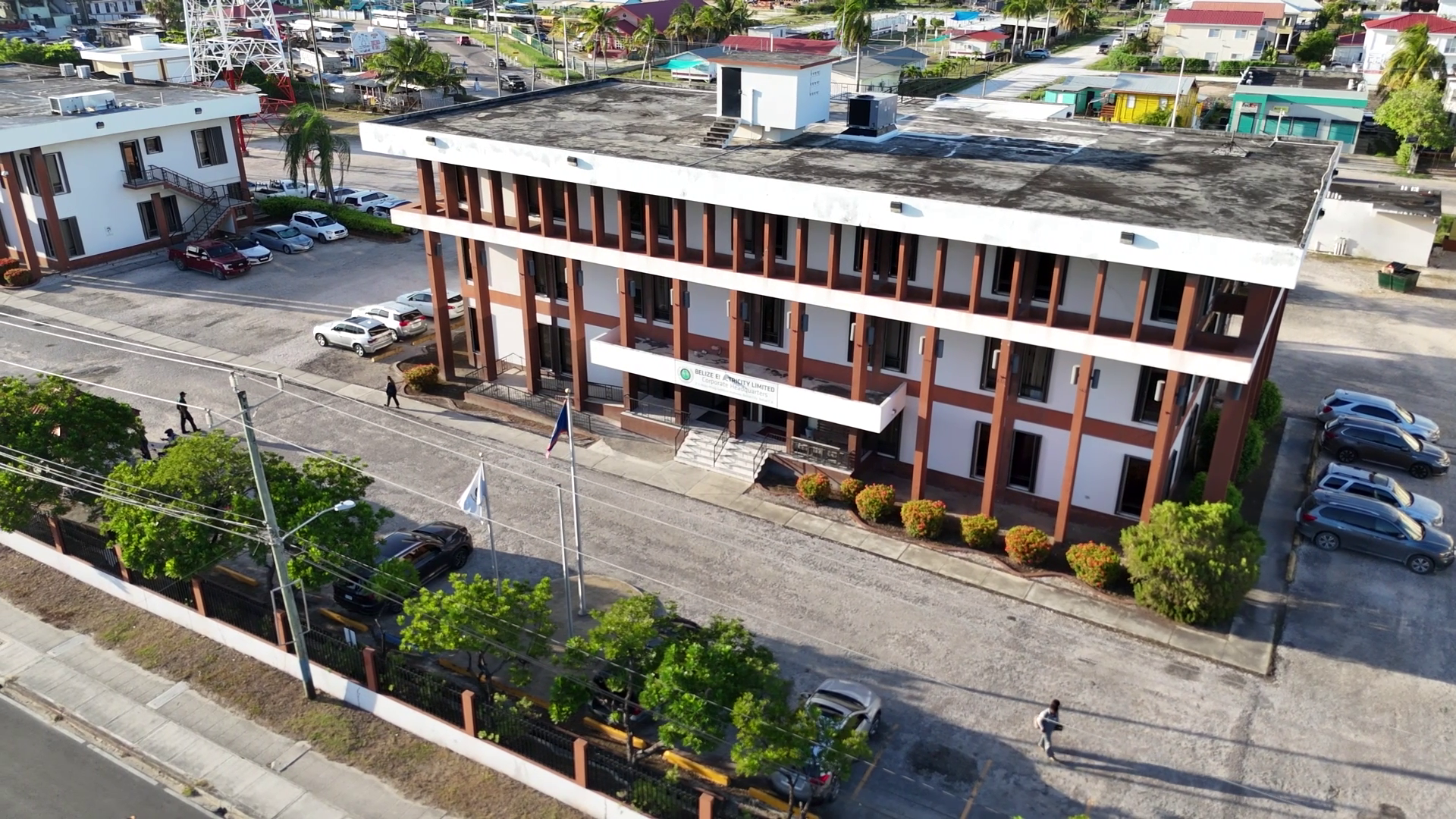
A brewing conflict over unpaid severance at Belize Electricity Limited (BEL) has escalated dramatically after leaked internal documents confirmed what frontline and former workers have alleged for decades: senior executives received generous exit payouts while rank-and-file staff were denied the benefits they were owed. The disclosure, shared with local outlet News Five, has reinvigorated protests from retired and ailing former employees, who have long accused the state-linked utility of institutional favoritism toward top management.
The documents, which detail exit arrangements for three high-ranking BEL leaders who departed between 2007 and 2015, paint a clear picture of unequal treatment. In June 2011, Joseph Sukhnandan, then Vice President of Engineering and Energy Supply, walked away with a total severance package exceeding $156,000 Belize dollars upon his retirement. Felix Murrin, former Vice President of Customer Care and Operations, secured board approval for an exit deal in November 2007 that included payout for 209 unused vacation days and a 33,000 Canadian dollar gratuity. When Rolando Santos, Senior Manager for System Planning and Engineering, left the firm in September 2015, his package included full severance payouts aligned with the Belize Labour Act, in addition to supplementary benefits under the company’s pension plan.
These documented payouts come as hundreds of lower-tier and retired former employees have staged public protests, demanding the severance they say BEL has refused to pay them for decades. Organizers with the Belize Energy Workers for Justice (BEWJ), the group that pushed for transparency around the payments, say the leak validates long-held suspicions that the company has applied its own employment rules unevenly.
Dorla Staine, a BEWJ organizer, told News Five the unfair practice dates back more than a quarter century. When workers demanded their earned severance in 1999 ahead of a company restructuring, Staine said management rejected their request and instead imposed a new pension structure — while quietly approving large severance payouts for top executives behind closed doors. “We knew this was happening. It stank then, and it stinks now,” Staine said of the double standard. Fellow BEWJ organizer Shawn Nicholas added that workers have long suspected leadership prioritized their own benefits over the entitlements of rank-and-file staff, and the leaked documents confirm that bias.
BEL has thus far declined to respond to repeated requests for comment on the leaked documents. In previous public statements, the company has maintained that its current severance and pension structures comply with a 2025 ruling from the Caribbean Court of Justice on similar employee severance claims against Belize Telemedia Limited (BTL), arguing BEL’s pension framework meets all legal requirements. Legal opinions obtained by BEL from two prominent Belizean law firms, Barrow and Company and Balderamos and Arthurs, back that position.
Barrow and Company’s legal analysis notes that a variation agreement signed between BEL and its union established that all severance would be processed through the company pension plan, though the firm advised BEL to clarify its contractual wording to eliminate ambiguity around employee entitlements. Balderamos and Arthurs agreed that BEL’s pension structure is legally distinct from BTL’s and satisfies the CCJ’s 2025 judgment, but also recommended that the company add clearer breakdowns of employer pension contributions, severance entitlements and any balance discrepancies in all future exit correspondence.
Even with legal backing for BEL’s overall policy structure, the unexplained disparity between executive exit packages and denied worker claims has left unresolved questions that continue to fuel worker outrage. For protesting employees, many of whom are elderly or living with chronic illness and have walked picket lines under extreme heat to demand their owed pay, the leak only deepens the injustice of the company’s practices. As of April 15, 2026, BEL has yet to issue a public explanation for the unequal payouts, leaving the dispute at an impasse between workers and utility leadership.