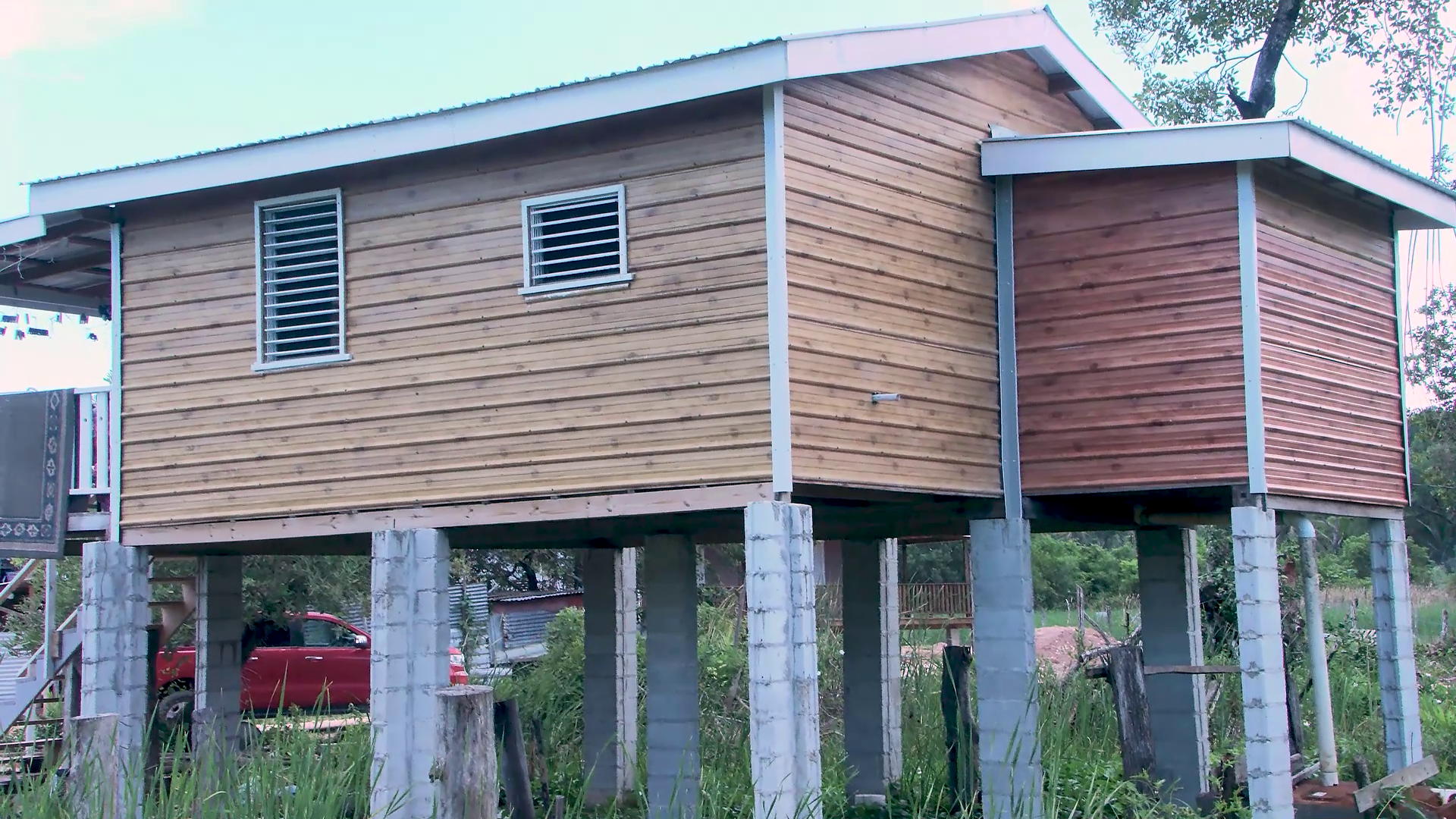
Across Belize, land disputes involving undocumented migrants have become an increasingly common source of instability for vulnerable communities. But the story of 24-year-old Dora Enamorado highlights the uniquely devastating human cost of these ongoing conflicts, leaving one young mother and her three children without the only home they have ever known.
Enamorado’s connection to Belize stretches back to infancy. When she was just a baby, her mother fled escalating violence in El Salvador to seek safety across the border in Belize, building a new life in the community of Belama. Enamorado grew up on Belizean soil, raised her three Belizean-born children here, and spent eight years cultivating and occupying a plot of land that she thought would be her permanent home. That sense of security shattered abruptly when the land was seized from her, leaving her displaced, disenfranchised, and feeling that her decades of belonging in the country have been erased.
In a statement recorded for Belize’s evening news broadcast, Enamorado explained the bureaucratic chaos and unfair treatment that led to her displacement. She was a participant in community planning meetings for the land redistribution project from its earliest stages, following all official instructions to the letter. The project planned to relocate the existing community to make way for a new development led by politician Francis Fonseca, with 18 households prioritized for new plots, and remaining parcels allocated to other eligible residents after the first round.
Enamorado had already completed her initial application for a new plot in 2020, with government officials on-site documenting that her home stood on the property, recording her name and lot number in official records. When officials asked her to re-sign the application, she complied, confident her claim would be processed. That is when the first barrier emerged: officials told her she could not receive land because she is not a Belizean citizen. Even after Enamorado pointed out that she has three Belizean-born children, officials accepted her application forms anyway—but never followed up, never issued a receipt, and repeatedly delayed her inquiries by claiming the process was still awaiting a land survey that never concluded.
Six months after Enamorado and her husband reapplied to move the process forward, an official finally delivered the final blow: the land is now classified as private property, a classification that was never disclosed to her over the four years she fought to secure her claim.
Enamorado, who has never lived anywhere other than Belize, now finds herself locked out of the home she built, with little recourse to appeal the decision. She shared her story with local journalists in the hope that bringing public attention to her case will force officials to address the injustice she has faced. Her story is one of dozens of similar unresolved disputes in the region, exposing the gaps in policy that leave undocumented migrants and their citizen children vulnerable to displacement in the countries they have always called home.