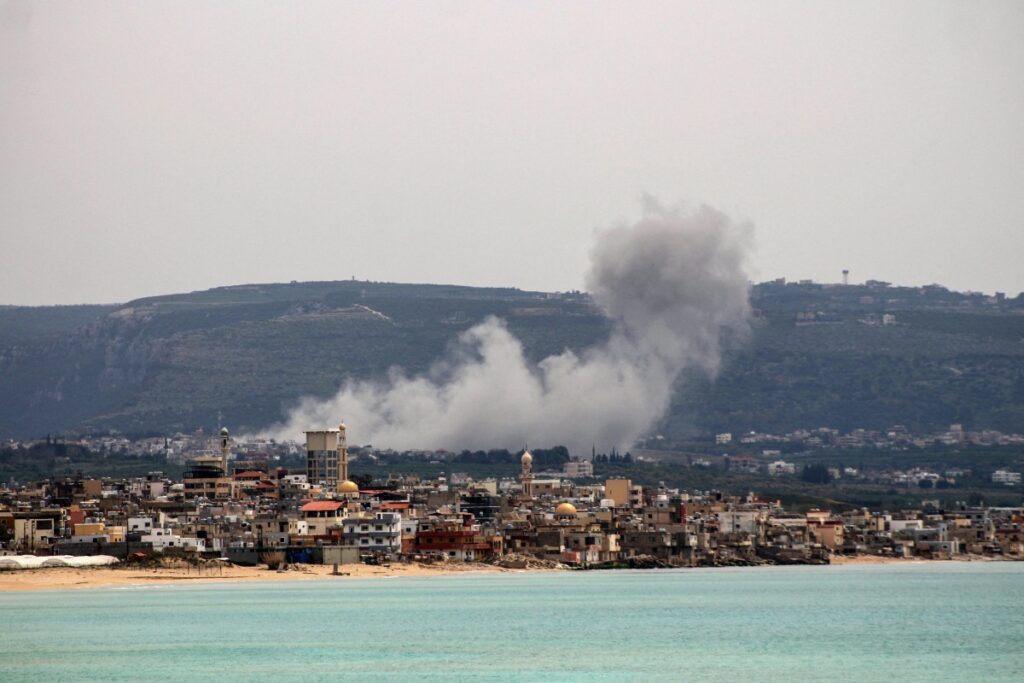
LONDON – In a collective push to shore up the global economy against mounting fallout from escalating Middle East tensions, finance ministers from 11 major industrialized nations including the United Kingdom and Japan issued a joint call Wednesday for targeted emergency assistance to vulnerable states grappling with conflict-driven disruptions.
Released publicly by the UK government, the statement urges the International Monetary Fund and World Bank to roll out a coordinated emergency support package for impacted economies, with interventions customized to each nation’s unique challenges and leveraging the full flexible scope of the two institutions’ existing policy tools.
The ministers warned that a resumption of large-scale hostilities, an expansion of the current conflict across the region, or sustained navigation disruptions in the strategic Strait of Hormuz would trigger severe new threats to global energy security, interconnected supply chains, and broad international economic and financial stability. Even if a lasting peace agreement is reached in the near term, the ministers emphasized that lingering shocks to global growth, inflation trajectories, and financial markets will continue to weigh on the global economy for the foreseeable future.
Beyond addressing Middle East-related risks, the joint statement reaffirmed the signatory nations’ unwavering commitment to backing Ukraine’s sovereignty and maintaining coordinated economic pressure on the Russian government nearly four years into Moscow’s full-scale invasion. The ministers noted that Russia’s ongoing war in Ukraine continues to drag on global economic performance, and pledged to keep working together to strengthen sanctions while avoiding unnecessary disruptions to global supply chains and energy markets as market conditions evolve. The group also restated its commitment to ensuring Russia cannot profit from its illegal aggression.
The full list of signatory countries includes Australia, Finland, Ireland, Japan, the Netherlands, New Zealand, Norway, Poland, Spain, Sweden, and the United Kingdom, representing a broad cross-section of Western and Indo-Pacific advanced economies aligned in their approach to global geopolitical and economic risks.