A high-stakes fraud lawsuit filed in Canada has unveiled explosive allegations: a former senior finance executive at an Indigenous-led non-profit illegally siphoned more than CA$6 million in federal public funds earmarked for Indigenous conservation programs, with hundreds of thousands of dollars ending up in the hands of a Jamaican dancehall artist. Court filings paint a detailed picture of how the former executive exploited a gap in organizational oversight to funnel public money through multiple channels, prompting the Canadian federal government to seize control of remaining program funds and roil communities that rely on the initiative for conservation work and local employment.
According to reporting from Canadian public broadcaster CBC News, the March 20 lawsuit names Melanie Desjarlais, former financial director of the First Nations National Guardians Network (FNNGN), as the sole perpetrator of the alleged fraud. The FNNGN is a federally funded non-profit founded in 2022, based in the cross-border Mohawk community of Akwesasne spanning Ontario, Quebec, and New York. The organization was tapped in 2024 to independently administer CA$27.6 million in federal funding for 80 separate Indigenous Guardians programs across Canada, which train and employ Indigenous community members to carry out critical conservation and ecological research on their traditional territories.
Court documents outline that when the FNNGN executive director took medical leave in August 2025, Desjarlais became the only staff member with full day-to-day control over the non-profit’s finances. Over the following seven months, through August 2025 to March 2026, she is accused of making more than CA$6.3 million in unauthorized charges on the organization’s corporate credit cards. These charges were diverted to personal spending, including multiple vacations, tickets to professional hockey games, and systematic transfers to the Jamaican artist, the suit alleges.
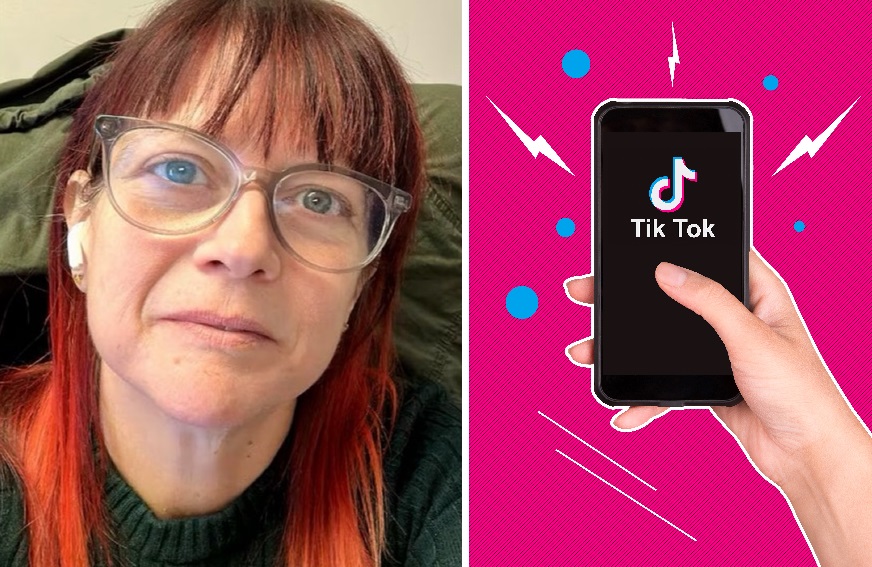
The court filings detail a multi-step alleged money laundering scheme. Desjarlais is accused of spending nearly US$2.78 million of the non-profit’s funds to purchase TikTok coins, the platform’s virtual currency that users can gift to content creators during live streams. Gifted coins convert to diamonds, which creators can cash out for real funds, and court documents note that this system can be exploited as a vehicle for illicit money movement. In addition to the TikTok coin transfers, direct PayPal records show more than US$750,000 was sent directly from Desjarlais to the dancehall artist. Some of these transfers included personal messages such as “Happy early birthday!” and one CA$5,000 transfer was labeled: “This is the last payment, the other one was an error. Love you and I’m sorry for everything.” Court documents also note court filings indicate Desjarlais and the artist may have had a romantic relationship. The Jamaican artist’s name is being withheld at this time by media outlets covering the case.
Further records show Desjarlais traveled to Jamaica twice on the non-profit’s dime, once in October 2025 and again in January 2026. By late November 2025, the non-profit had depleted so much funds that scheduled payments to local Indigenous Guardians programs across the country halted due to insufficient balances, according to court filings.
To date, none of the allegations against Desjarlais have been tested or proven in court. Desjarlais has declined to comment on the allegations through her legal representation.
The revelation of the alleged fraud has already triggered major administrative and regulatory changes. The Canadian federal government, through Environment and Climate Change Canada, which originally provided the program funding, has stepped in to take over all future distribution of Indigenous Guardians funds allocated to FNNGN. A government spokesperson confirmed Ottawa was notified of the unauthorized transactions and is expanding a routine audit of the non-profit’s financial practices.
The FNNGN’s legal counsel, Matthew Sammon, told reporters the organization is actively and aggressively working to recover the misappropriated public funds. Sammon emphasized that the alleged financial misconduct stems from the actions of a single individual and does not reflect the core mission or values of the network.
Canadian courts have already taken emergency action to protect potential recovery of the funds: an injunction freezing all of Desjarlais’s global assets was granted last month and extended by the court on April 2. The lawsuit itself seeks CA$10 million in combined damages and restitution on charges of deceit, conversion, breach of contract, breach of fiduciary duty, and unjust enrichment.
For Indigenous communities that rely on the program for funding and employment, the allegations have sparked acute concern. Elder David Scott, who trains young Guardians at Manitoba’s Swan Lake First Nation, told CBC the funding is critical to the success of local conservation work, leaving the program’s future in his community uncertain as the case moves forward.