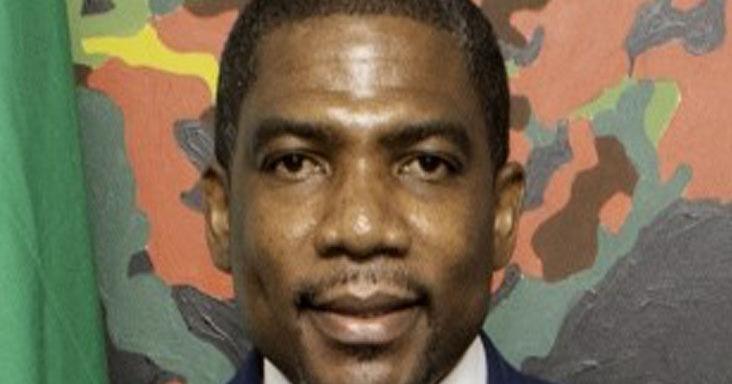
A growing internal dispute has shaken the Caribbean Community (Caricom), centered on the controversial reappointment of Secretary-General Dr. Carla Barnett that has pitted regional leadership against the government of Trinidad and Tobago. In a detailed April 11 statement, Caricom Chairman and Prime Minister of St. Kitts and Nevis Dr. Terrance Drew has pushed back against claims of procedural impropriety, laying out a full timeline of events to defend the February decision made during a closed-door heads of government retreat on the island of Nevis.
Drew confirmed that Barnett’s reappointment was not explicitly listed on the original public agenda for the retreat, held on February 26 on the sidelines of Caricom’s 50th Regular Conference of Heads of Government. On the day of the closed gathering, regional leaders opted to take up the appointment under the pre-existing agenda topic of “Financing and Governance of the Community”, a procedural path Drew says aligns fully with Article 24 of the Revised Treaty of Chaguaramas, which grants the Caricom Conference authority to appoint and reappoint the Secretary-General for up to five-year terms. Drew also noted that Barnett left the room prior to the discussion of her reappointment to avoid any conflict of interest.
The core of the dispute stems from objections raised by Trinidad and Tobago Prime Minister Kamla Persad-Bissessar and Foreign Minister Sean Sobers, who argue the decision was procedurally invalid because their nation was not represented at the retreat. They were joined in their objection by leaders of Antigua and Barbuda and The Bahamas, which were also absent from the closed gathering. Trinidad and Tobago has gone as far as stating it will not recognize Barnett’s tenure beyond August 2026, when her original five-year term is set to expire, and has boycotted all Caricom meetings until it receives full access to all correspondence related to the reappointment. A planned April 10, 2026 meeting to address Trinidad and Tobago’s grievances went forward without the nation’s representation after Persad-Bissessar declined to attend.
Drew pushed back against claims that Trinidad and Tobago was not properly notified of the retreat, noting all member states received detailed advance correspondence outlining the full conference schedule, including the February 26 heads-only retreat, its agenda structure and venue. He added that all head of government offices were updated multiple times on the retreat details both before and during the main conference. Persad-Bissessar had been present in St. Kitts and Nevis for the opening of the conference on February 24, holding bilateral meetings and meeting with U.S. Secretary of State Marco Rubio, but departed the island on the evening of February 25, hours before the retreat was scheduled to begin.
In a release of private correspondence detailing the lead-up to the retreat, Drew shared exchanges between Sobers, Barnett and himself that he says confirm the foreign minister declined to attend. According to the shared WhatsApp logs, at 10:33 p.m. on February 25, Sobers contacted Barnett to ask if he could attend the retreat in Persad-Bissessar’s absence, and Barnett confirmed foreign ministers could substitute for absent heads. In the same exchange, Sobers mentioned he suffered from seasickness, as the retreat venue on Nevis required a boat ride from the main island of St. Kitts. Barnett replied hours later that the chairman would understand if he opted out due to seasickness, and Drew says Sobers never followed up to confirm he would attend despite the note.
Sobers has contested this narrative, telling reporters his comment about seasickness was made in jest, and claims a later message from the Caricom Secretariat stated only heads of government were allowed to attend the retreat, leaving him uncertain of his eligibility to join. He has repeatedly described the reappointment process as “surreptitious” and in violation of regional governing treaties.
After the retreat decision was made, Drew said leaders agreed to delay the official announcement out of courtesy to allow notification of absent heads. Attempts to contact Persad-Bissessar by email and phone were unsuccessful, so officials reached out directly to Sobers instead. In his statement, Drew released all correspondence related to the pre-conference planning and retreat discussions in line with commitments made at the April 10 governance meeting.
Closing his statement, Drew urged all sides to resolve the dispute through Caricom’s established internal mechanisms, warning that public missteps and erroneous claims could undermine decades of progress toward deeper regional integration that delivers tangible benefits to all Caribbean people. As the crisis stands, the standoff has left the regional body facing an unprecedented leadership dispute just months before Barnett’s original term is set to end.