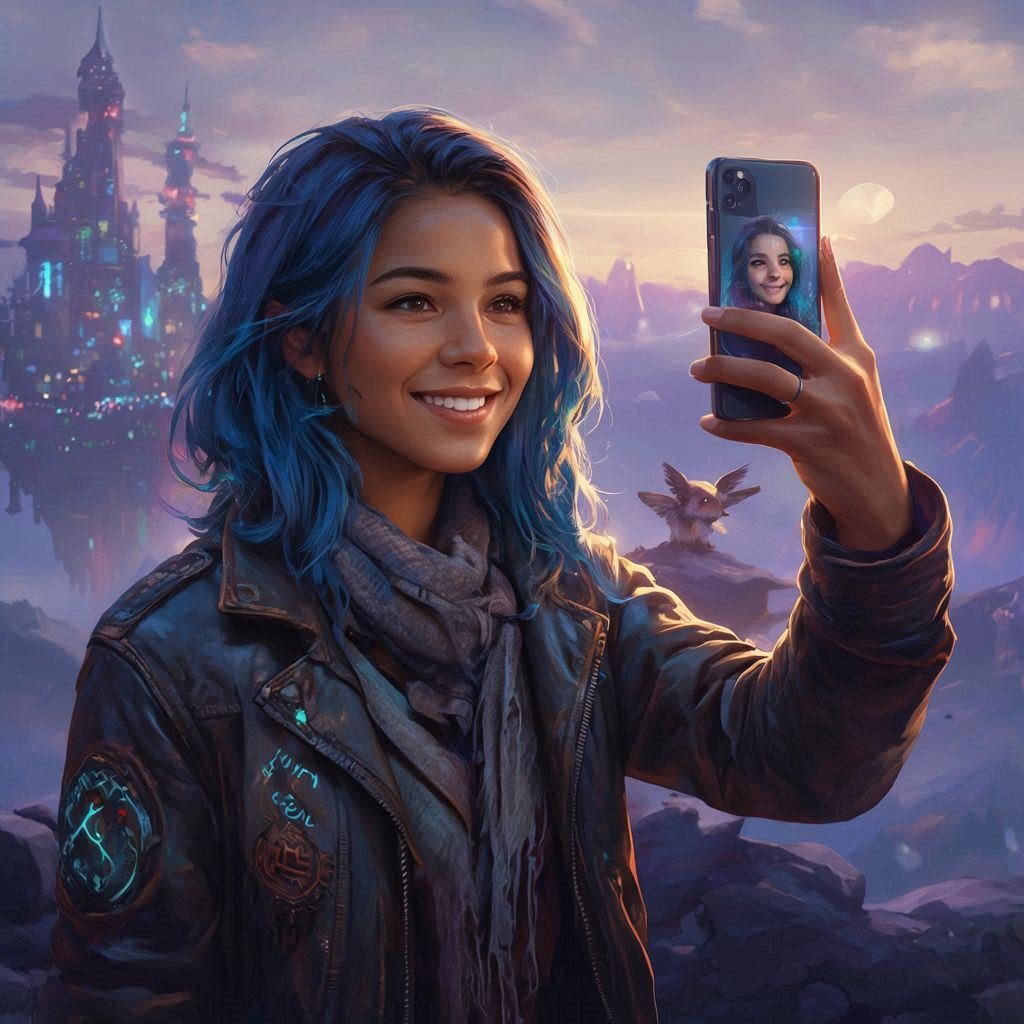
Across decades of working as both a nonfiction writer of sharp commentary and incisive interviews and a fiction author crafting stories of entirely made-up people, I have long observed a striking, counterintuitive shift: as digital and social mediation reshapes everyday human interaction, real life has grown steadily more artificial, while fictional worlds now often feel far more genuine to audiences and readers alike.
This gap does not stem from fiction becoming more realistic in its crafting. Instead, it arises because modern real life has pushed ordinary people to adopt unnatural, polished personas tailored to algorithmic approval and risk-free public engagement. Fictional storytelling, by contrast, preserves the raw, unvarnished human qualities that contemporary social norms increasingly sand down: clear emotional honesty, consistent core motivations, and unfiltered self-expression.
Consider a well-crafted fictional character: a grizzled, plain-spoken “good ol’ boy” with a startlingly sharp intellect that cuts through pretense. This imagined figure feels far more authentic than the carefully curated personalities many of us encounter in daily public life. Even a deliberately drawn brute, strong as an ox and unapologetically simple, carries a coherence that many real public personas lack. In modern real life, far too many people operate under the unspoken rule that any attention is better than none, leading them to perform for attention rather than show their true selves.
Fictional characters are written to be fully, unapologetically themselves, making them feel like the last truly unmediated humans standing. Authors strip away the meaningless noise, contradictory social posturing, and vague half-truths that clutter modern real-world interaction. Fictional characters say what they actually mean, their life arcs follow clear consequences for their choices, and every decision they make reflects their core values — a coherence real life rarely grants modern people. It is this authenticity that makes fictional characters resonate and endure: they give audiences exactly what they crave: sincerity, courage, vulnerability, clear consequence, and genuine meaning.
In recognition of this dynamic, I created the invented island-nation of St. Tosia, a whimsical, offbeat Caribbean setting where folklore, civic tradition, and gentle social satire weave together to frame everyday life. St. Tosia is a tapestry of music, gentle mischief, mythic charm, and warm magical realism — a space that feels familiar to readers while remaining entirely its own, a refuge for unfiltered human truth.
At its core, this shift is not a failure of real life, nor an argument that we should retreat entirely into the worlds we invent. Fiction acts as a mirror, holding up the genuine human qualities we have misplaced in our modern rush to curate and perform. The real solution is to reclaim those lost parts of ourselves that fiction reminds us we still can embody: emotional clarity, courage, radical honesty, uncurbed curiosity, and the willingness to be seen exactly as we are.
If we fail to do this, the only truly authentic humans left will be the ones we invent. When real people become artificial works of performance, fiction is the only medium that still tells the truth. As the iconic essayist and humorist Mark Twain once put it: “The only difference between reality and fiction is that fiction needs to be more credible.”