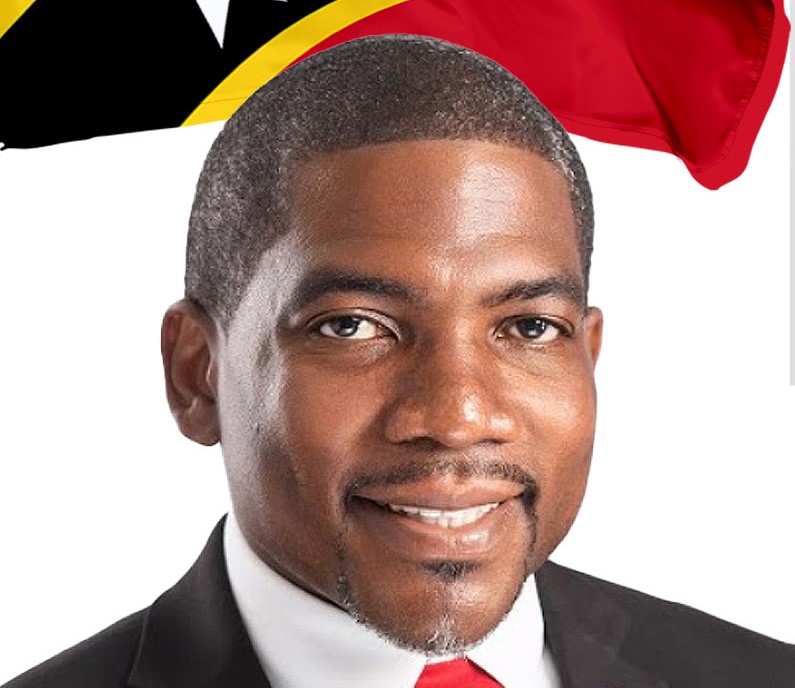
A growing regional dispute has erupted within the Caribbean Community (CARICOM) over the reappointment of Dr. Carla Barnett as the bloc’s Secretary-General, with CARICOM Chairman and St. Kitts and Nevis Prime Minister Terrance Drew standing firm that all institutional protocols were correctly followed throughout the process.
Drew’s formal defense came in an official statement released following an emergency special session of CARICOM Heads of Government held on April 10. Notably, neither Trinidad and Tobago Prime Minister Kamla Persad-Bissessar nor any designated representative from her country participated in the closed-door meeting, deepening the rift over the appointment.
The controversy emerged after Persad-Bissessar launched a scathing public attack on the reappointment outcome, demanding full transparency and accountability from the 15-member regional integration bloc. She has made clear her government will not back down from the fight, vowing to pursue the issue aggressively through public channels. “My administration will give no quarter on this matter,” Persad-Bissessar said, pledging to “prosecute this matter mercilessly, relentlessly, and if necessary, ruthlessly in public until full transparency is achieved.”
In his official response, Drew outlined the full sequence of procedural steps leading to the reappointment, which was finalized during the leadership retreat tied to CARICOM’s 50th Conference of Heads of Government, hosted by St. Kitts and Nevis between February 24 and 27. The chairman confirmed that all member states received formal advance notification of the full draft agenda, work program, and session details for plenary discussions, caucus meetings, and the closed leadership retreat well ahead of the conference. All official communications about the retreat’s date and location were sent through formal diplomatic channels, and every member state sent a formal confirmation of receipt, according to the statement.
The CARICOM chairman’s account also clarifies the timeline of Trinidad and Tobago’s absence from the critical retreat vote. Persad-Bissessar left the main conference before the retreat began. Later, the country’s Minister of Foreign and CARICOM Affairs, Sean Sobers, contacted the outgoing Secretary-General via WhatsApp to ask if he could attend in the prime minister’s place – an arrangement that had been used by other member states in past sessions. Sobers initially noted that seasickness could prevent him from traveling to the retreat venue, and after Barnett stated attendance would be optional under the circumstances, the minister never followed up to confirm his participation with either the chairman or the Secretary-General’s office.
The discussion on Secretary-General reappointment took place during the retreat, with Barnett stepping out of the room for the full duration of the deliberation and vote to avoid any conflict of interest. Before the results of the reappointment were announced publicly, CARICOM officials attempted multiple times to contact Persad-Bissessar to inform her of the outcome, but they were unable to reach her. The chairman ultimately connected with Trinidad and Tobago’s foreign minister to share the result after those failed attempts.
Closing his statement, Drew called on all CARICOM member states to resolve internal disagreements through the bloc’s established dispute resolution mechanisms, warning that public confrontation risks weakening the decades-long project of regional integration that benefits all Caribbean nations.