On April 10, 2026, a sudden industrial dispute upended travel at Belize’s busiest western border, sparking a public conflict between Prime Minister John Briceño and the nation’s Public Service Union amid the high-traffic Easter travel rush.
Up to 12 immigration officers assigned to the key border crossing submitted sick leave requests on the same day, creating long delays for travelers and triggering immediate scrutiny from government authorities. The Ministry of Immigration launched a formal investigation into the incident, and several involved officers have already faced preliminary administrative action over the coordinated absence.
Government officials have publicly stated they believe the simultaneous sick leave was an organized act of industrial protest, rather than a coincidental outbreak of illness among border staff. The union has pushed back firmly against these allegations, defending the participating officers and maintaining that every worker followed official sick leave protocols. In addition to rejecting the coordination claim, the union has issued a formal warning that it will pursue legal action against the government over the administrative penalties imposed on its members.
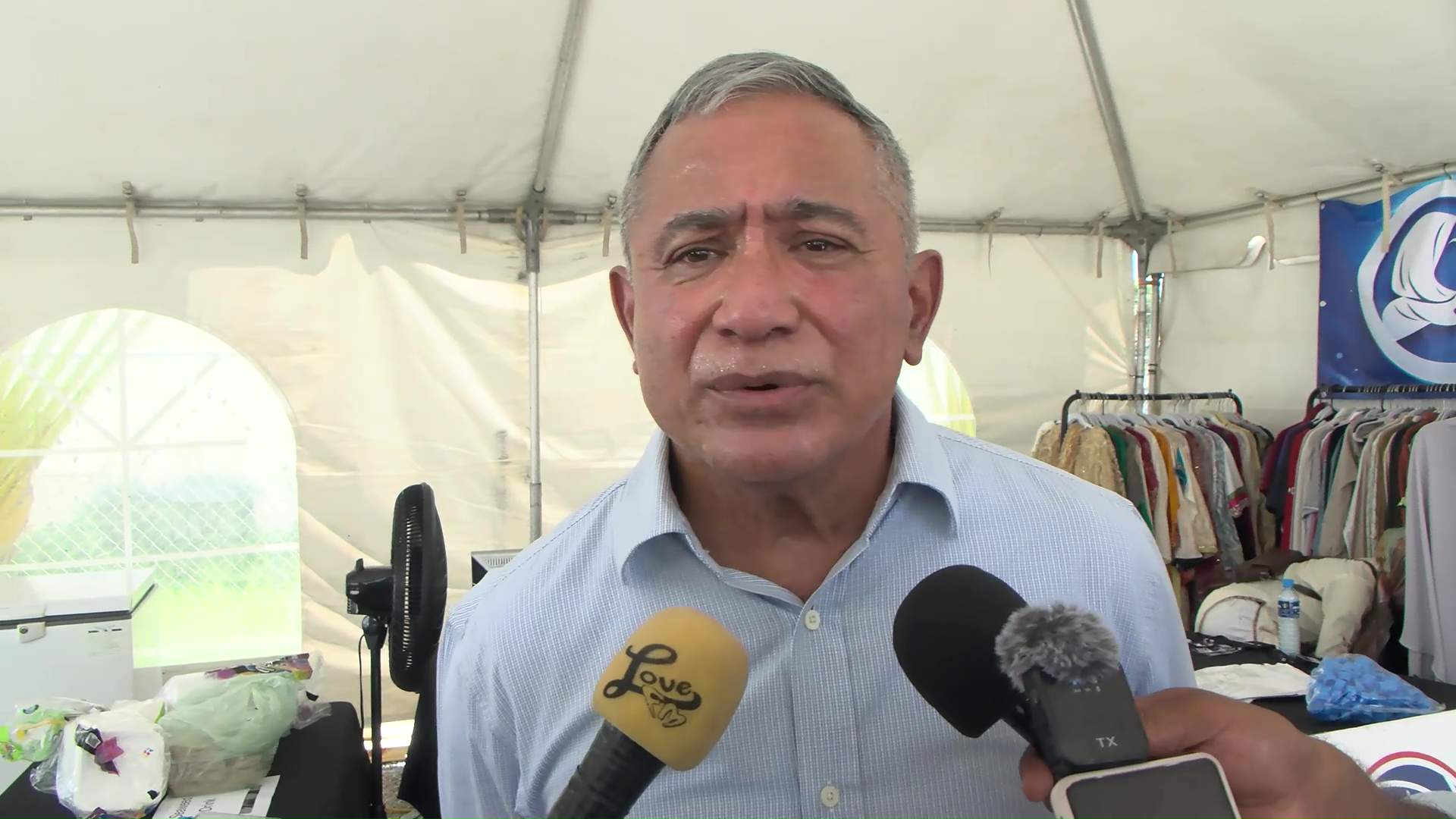
Now, Prime Minister Briceño has publicly weighed in on the controversy, pushing back against the union’s position and calling for a more collaborative approach to resolving public sector workplace disputes. In his public remarks, Briceño questioned the credibility of the simultaneous sick leave, noting that the coincidence of eight to 10 officers falling ill on the same day during the peak Easter travel window is highly unlikely.
Briceño also addressed allegations that some of the medical documentation submitted to justify the sick leave may be fraudulent, acknowledging that he has not personally reviewed the documents to confirm the claims. He emphasized that the government is obligated to take action to codify this type of coordinated action as illegal, arguing that public sector workers cannot simply step away from their duties en masse to protest working conditions or policy disagreements.
Instead of coordinated work stoppages or planned absences, Briceño said public servants should raise their concerns through formal channels: meeting with agency chief executives, direct supervisors, or cabinet ministers to negotiate solutions to their grievances. The prime minister also called out the union’s president for his response to the incident, noting the leader’s known affiliation with the opposition United Democratic Party (UDP). While Briceño acknowledged that partisan affiliation is not inherently problematic, he called on the union president to set political loyalties aside to collaborate with the sitting government on addressing public service issues.
“It is unfortunate that the public service president, instead of him giving an example or talk to his members to say this is not the way to behave, tends to want to celebrate them,” Briceño said in his remarks. “This is not how we address issues. We sit down and talk… It is really unfortunate and I wish we could work closer together in the intent of the public service.”
The dispute has underscored growing tensions between the Briceño administration and public sector unions, with implications for border operations and public service delivery across the country as both sides prepare for potential legal action.