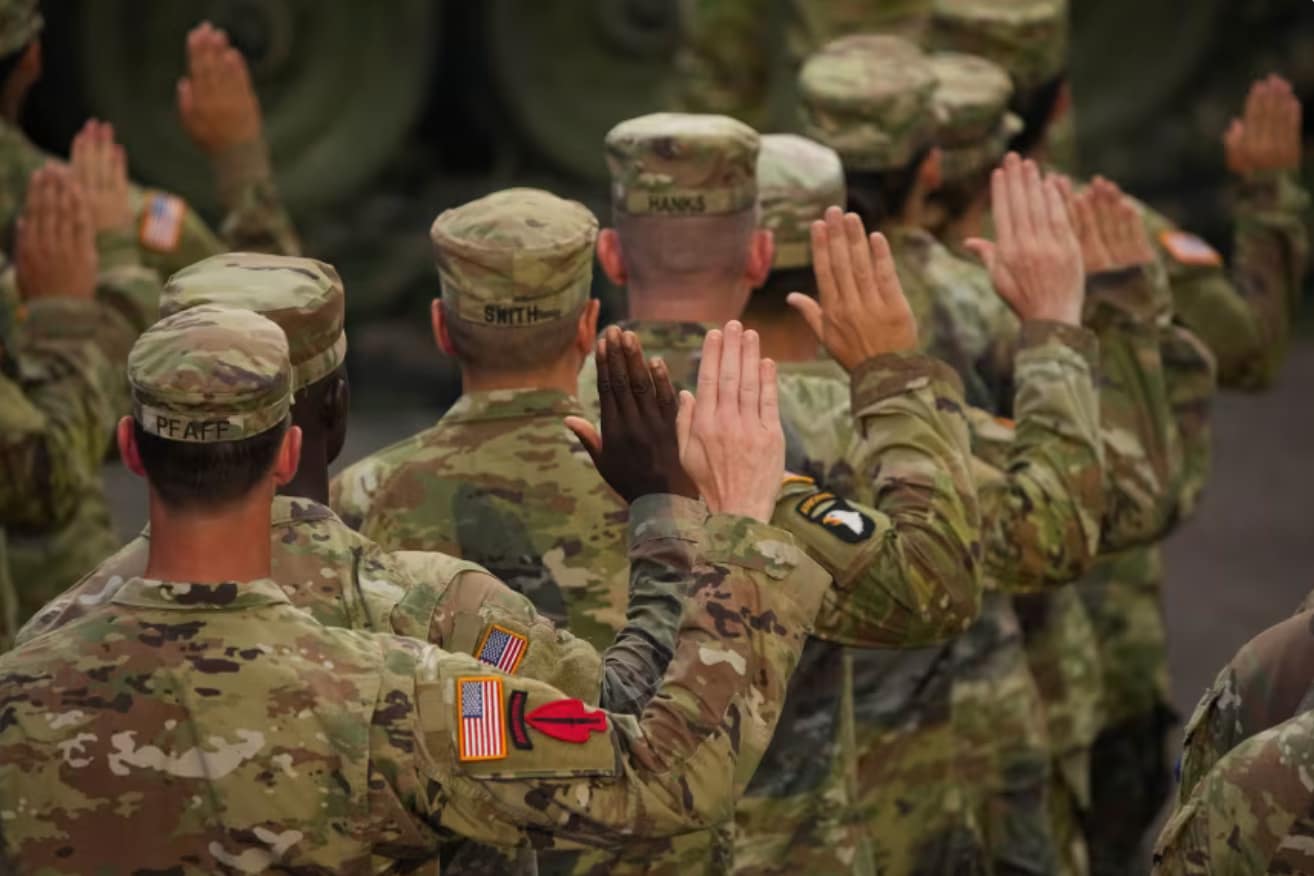
After decades of operating a manual opt-in system for military conscription registration, the United States is preparing to implement a landmark shift: automatic enrollment for all young male citizens and eligible male permanent residents will begin this coming December.
For more than four decades, the current Selective Service System has required men between the ages of 18 and 25 to complete registration on their own, typically via mail, online portals, or at local post offices. Failure to complete this step has carried penalties ranging from loss of federal student aid to ineligibility for certain federal government jobs. The new automatic framework will cut through this red tape by pulling identifying information directly from existing government databases, including motor vehicle departments and the federal student aid system, to complete the process without any action required from eligible individuals.
U.S. defense officials say the change is designed to address long-standing gaps in the current system, where an estimated 10 to 15 percent of eligible men never complete their required registration. In the event of a national emergency requiring a rapid mass mobilization of troops, officials argue that a pre-populated, up-to-date roster of eligible personnel would cut down on delays and streamline the mobilization process.
The policy shift has sparked debate across political and civil society circles. Advocates of the change frame it as a much-needed modernization of a Cold War-era system that has fallen out of step with 21st-century digital infrastructure. They note that automatic registration will eliminate the risk of penalties for young men who simply forget to complete the process, while ensuring the country maintains a viable conscription infrastructure if it is ever needed.
Critics, however, have raised multiple concerns. Civil liberties advocates warn that the expanded sharing of personal data across government agencies increases the risk of data breaches and inappropriate government surveillance of young people. Others have pointed to the lingering gender inequality of the policy: currently, only men are required to register for the draft, a disparity that has faced repeated legal challenges in recent years. Some lawmakers have also questioned the necessity of the draft system entirely at a time when the U.S. relies on an all-volunteer professional military, arguing that resources spent on updating the registration system could be allocated to other pressing national security priorities.
As the December launch date approaches, the Selective Service System is conducting final testing of its new data integration systems and preparing public outreach campaigns to inform eligible young men and their families of the upcoming change. Agency officials have confirmed that men who have already completed their manual registration will not need to take any further action under the new system.