Macmillan Education Caribbean has officially announced the results of the 2025–2026 iteration of its annual Young Environmental Scientists (YES) Competition, a regional initiative that celebrates the creative problem-solving, sharp analytical thinking, and environmental commitment of primary and secondary school students across the Caribbean basin. Now a staple annual event for young science enthusiasts across the region, the YES Competition invites student teams from participating countries to identify pressing local environmental issues, then design and execute evidence-based, practical solutions tailored to their communities, all while building core skills in collaboration and critical thinking.
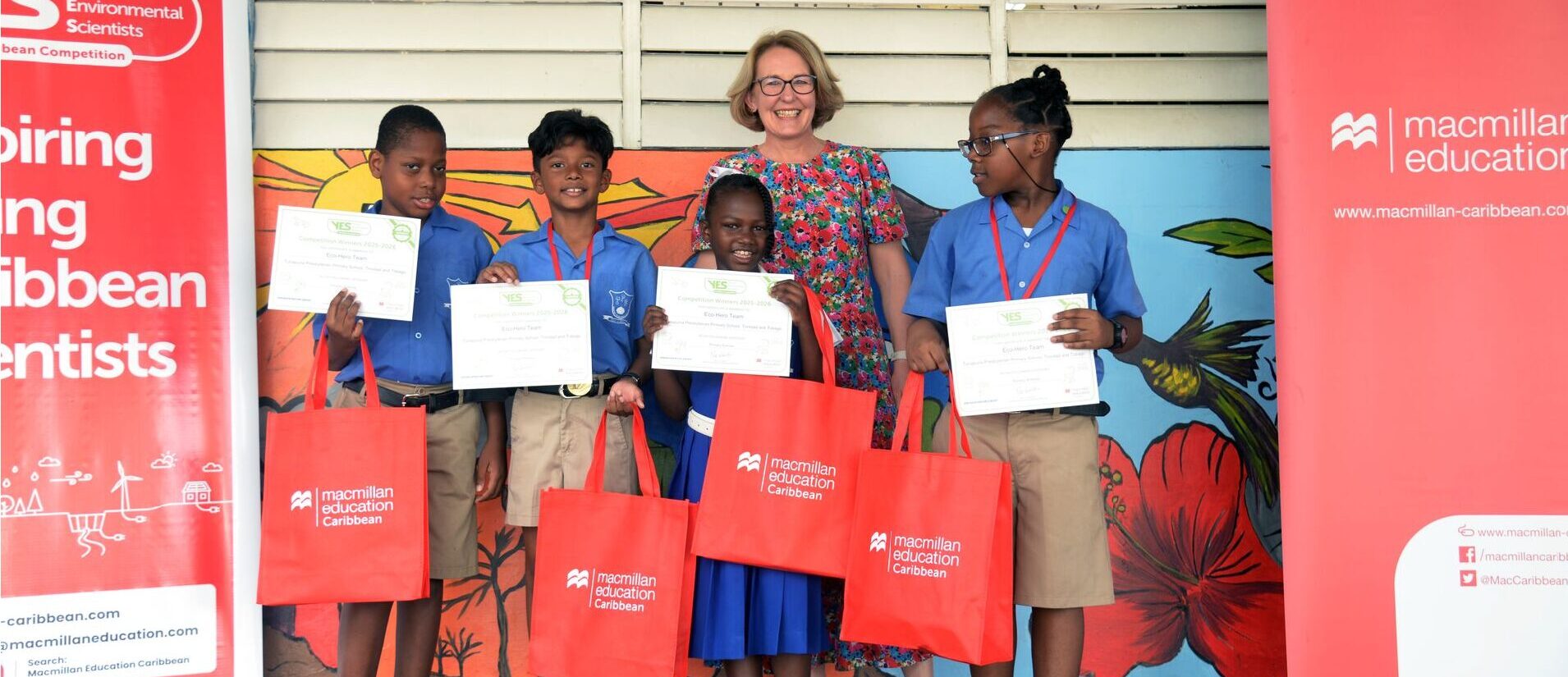
In the primary school division, the 2025–2026 championship title went to the Eco-Hero Team from Tunapuna Presbyterian Primary School in Trinidad and Tobago. The team impressed judges with their community-focused project aimed at cutting single-use plastic consumption on their school campus. Their intervention centered on encouraging fellow students to bring and reuse personal reusable utensils, eliminating reliance on disposable plastic cutlery for school meals and activities. To embed long-term behavior change, the team rolled out targeted awareness campaigns, hosted a school-wide poster contest to spread their message, and collected ongoing data to track shifts in student habits. Judges highlighted that the project powerfully demonstrated how small, accessible local actions can add up to substantial environmental benefits for school communities. Second place was awarded to the SVG Wildlife Warriors from Calliaqua Anglican Primary School in St Vincent and the Grenadines, while third place went to the Sea to Structure Solutionists of Grand Roy Government School in Grenada.
For the secondary school division, the top prize was claimed by the ResistRx team from Queen’s College in Guyana, marking the institution’s second consecutive win at the YES Competition. The team’s groundbreaking research focused on a underaddressed environmental threat: the public health and ecological risks of improper antibiotic disposal. ResistRx mapped how antibiotic residues enter local ecosystems primarily through unsorted household waste and unregulated disposal practices on small-scale farms, documenting how these residues accumulate in soil and accelerate the development of dangerous antimicrobial resistance—a growing global public health concern. The team paired their research with actionable, scalable recommendations: establishing dedicated community collection bins for unused medications, introducing targeted composting guidelines for small-scale agricultural producers, and launching a regional public education campaign to raise awareness of the issue. A small pilot survey conducted by the team revealed that while public knowledge of improper antibiotic disposal risks was limited, a majority of community members expressed willingness to adopt safer disposal practices if given the infrastructure and information to do so. In a surprise showing for the secondary division, Trinidad and Tobago’s Five Rivers Secondary School claimed both second and third place, with the GASH – Giant African Snail Hunters Association taking second and the Wes4G 4-H Club securing third.
All winning teams will take home a range of prizes designed to support their ongoing science education. First-place teams in both divisions receive a half-day hands-on science workshop, a full classroom set of science reference books, a US$250 bookstore voucher, and individual and team trophies, medals, and certificates. Second-place teams receive a US$100 bookstore voucher alongside their medals, trophies, and certificates.
With the 2025–2026 awards finalized, organizers have already opened the call for greater regional participation for the 2026–2027 competition. Dr. Katy Anyasoro, Marketing Manager at Macmillan Education Caribbean, emphasized the growing impact of the event across the region. “The competition continues to grow as a regional platform for showcasing Caribbean students’ innovation and environmental stewardship,” she said. “This year’s projects, which ranged from reducing plastic waste to addressing antimicrobial resistance, reflect the increasing awareness among young people of the need for sustainable solutions to real-world challenges.”
In the coming weeks, the public will be able to access a public highlight reel featuring standout project submissions from across the region, alongside photographs from national award ceremonies held in all participating countries. Open to students between the ages of 7 and 18, the YES Competition is designed to nurture the next generation of Caribbean environmental scientists and sustainability leaders by giving young people the opportunity to lead hands-on research, collaborate on team-based solutions, and turn their ideas for local environmental change into action.