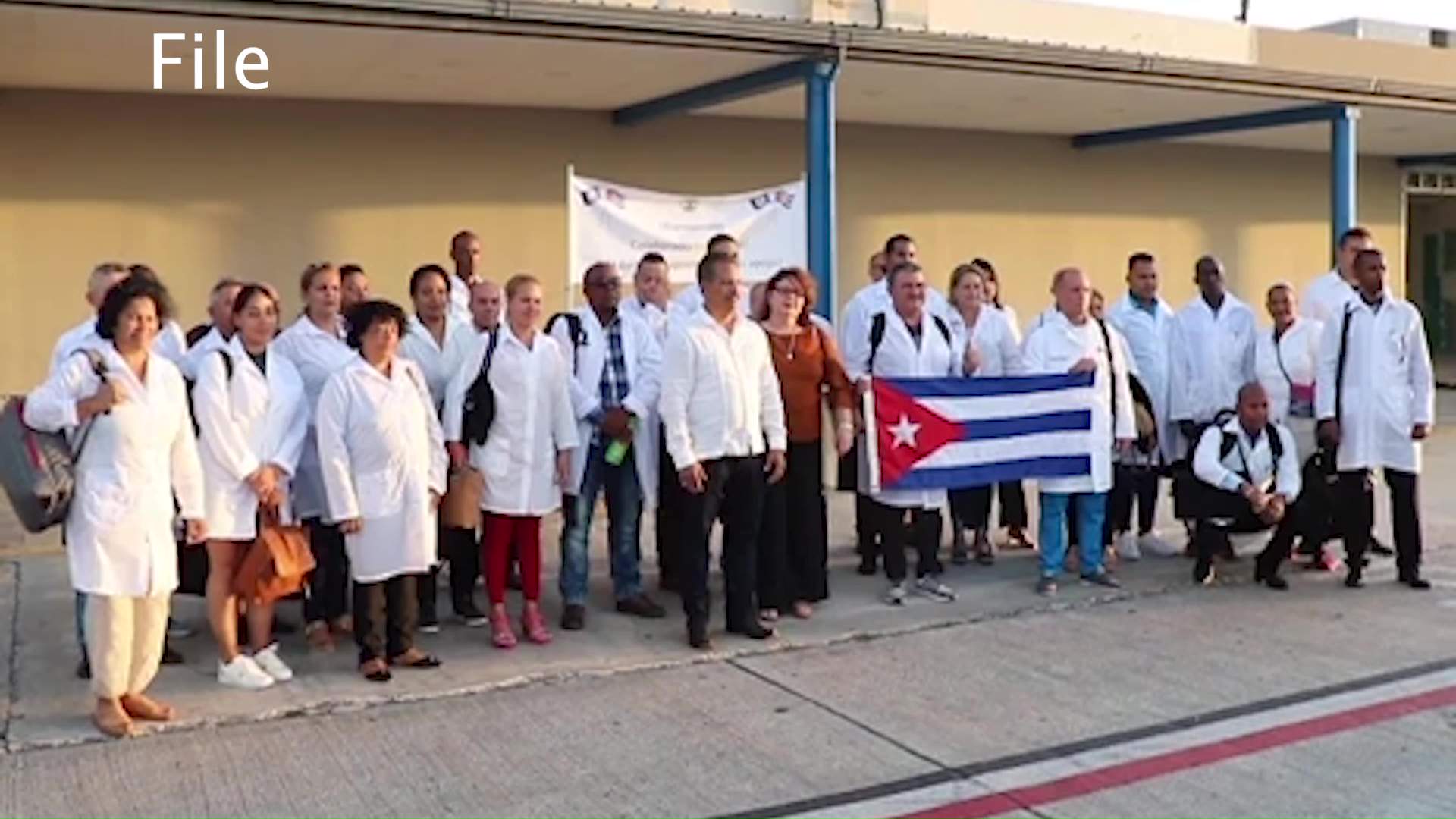
As Belize grapples with a strained public healthcare system facing persistent staffing gaps, the country’s Cabinet has launched targeted efforts to retain a cohort of Cuban medical professionals whose bilateral work agreement recently expired. Faced with dual pressures of growing international pressure from the United States and deepening domestic alarm over healthcare workforce shortages, the Briceño administration has instructed the Ministry of Foreign Affairs and the Ministry of Health and Wellness to collaborate on negotiating a new framework to keep 92 Cuban medical workers – 45 of whom are practicing doctors – in the country. These professionals, many of whom fill critical care roles in underserved rural communities that struggle to attract local physicians, remain central to Belize’s ability to deliver consistent primary care to its population, according to senior government officials.
In a public press briefing, Foreign Minister Francis Fonseca clarified the government’s priorities, confirming that interagency teams are currently drafting new proposed arrangements and holding active talks with Cuban authorities to reach a mutually acceptable deal. “Our clear objective is to maintain the presence of these Cuban doctors in Belize,” Fonseca explained. “They play an irreplaceable role in our health system, with many serving remote rural areas that would otherwise face extended gaps in care. We are working urgently to map out all possible pathways to keep them here under a new agreement.”
Beyond efforts to retain the existing Cuban medical team, the administration is simultaneously pursuing parallel plans to expand Belize’s healthcare workforce by recruiting foreign nursing staff from new source countries. When asked by reporters whether the government was actively pursuing recruitment of nurses from the Philippines, Fonseca confirmed that the option is under active consideration. “Even with the Cuban doctors already on the ground, we face an ongoing, unmet need for qualified nursing staff across all levels of our healthcare system,” he noted. In addition to the Philippines, the government is also exploring recruitment deals to bring nurses from Nicaragua to address persistent staffing shortfalls.
This development comes as Belize navigates complex diplomatic crosscurrents, as Washington has ramped up pressure on Caribbean and Latin American governments to end medical cooperation agreements with Cuba in recent years. For Belize, however, the practical reality of healthcare access has taken policy priority, as the country continues to struggle to train and retain enough domestic medical staff to meet population health needs, particularly in low-population rural regions.