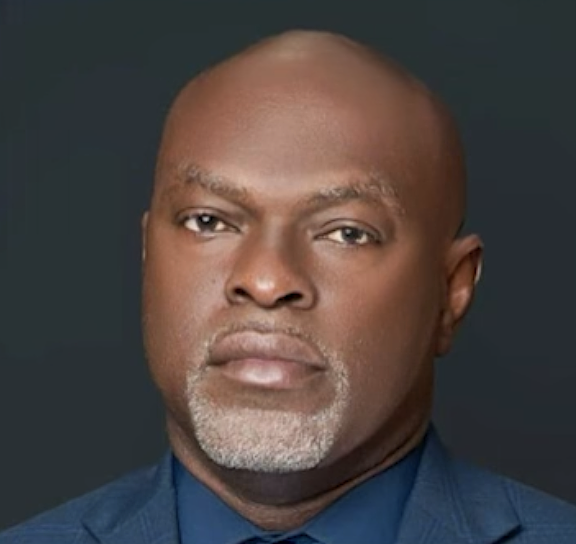
As the Bahamas approaches its election, a leading voice in the country’s Haitian-Bahamian community is challenging widespread public rhetoric that frames irregular and regular migrants as an unfair drain on the nation’s public healthcare system. Michael Telarin, president of the United Haitian and Bahamas Association, is pushing for a fundamental shift in how policymakers and the public discuss migrants’ contributions to the healthcare sector, arguing that the group actually contributes more to public coffers and pays more out of pocket for medical services than the average Bahamian citizen.
Telarin’s comments come in direct response to a recent campaign policy announcement from the incumbent Progressive Liberal Party (PLP), which pledged Wednesday that if reelected, it will implement a new mandate requiring all migrants to either hold private health insurance or enroll in a new government-run coverage plan. The policy, framed as a way to reduce strain on public medical institutions, has gained traction among voters frustrated by perceived strains on public services. Telarin acknowledged that the PLP’s proposal is an attempt to address voter concerns, but he says the conversation around migrants and healthcare needs to be reframed to reflect on-the-ground realities.
A key point of contention for Telarin is the relationship between migrant workers and the National Insurance Board (NIB), the country’s social security system. He points out that most migrant workers contribute to NIB on a regular basis, either through automatic payroll deductions arranged by their employers or via direct individual payments. Despite these contributions, Telarin explains, migrants are still required to pay full out-of-pocket costs immediately when they access hospital and clinical services, and most are able to cover these costs despite the financial burden. Even for native-born Bahamians, however, NIB does not function as a comprehensive health insurance scheme: it only provides targeted benefits for sickness, maternity leave, and workplace injuries, and does not cover routine or emergency medical care costs for any group, regardless of immigration status.
Telarin says that while he supports the PLP’s broader goal of strengthening and enforcing the country’s immigration policies, the party’s campaign platform overlooks a far more pressing, long-running problem that has left thousands of migrants in limbo: crippling delays in processing applications for legal residency and citizenship. For migrants who have completed all required vetting, submitted all necessary documentation, and followed every rule of the legal application process, there remains no clear timeline for when their applications will be resolved. Telarin argues that the government owes these law-abiding applicants clear transparency around expected wait times, which currently stretch on for months or even years without resolution.
On the topic of immigration enforcement, the PLP has campaigned on a series of aggressive new measures, including rolling out a comprehensive National Biometric Immigration System, installing biometric electronic entry gates at border crossings, and imposing harsher fines and criminal penalties for employers and corrupt public officials who facilitate immigration violations. Telarin, however, argues that the success of any new enforcement framework will depend on consistent implementation and closing existing loopholes that have undermined past immigration policies. Too often, he says, enforcement is inconsistent, gaps in regulation allow bad actors to exploit migrants and flout the law, and tough new policies amount to nothing more than empty campaign rhetoric. He is calling on the government to take a holistic, systemic approach to reform that addresses underlying structural flaws rather than just announcing new, unimplemented policies ahead of an election.