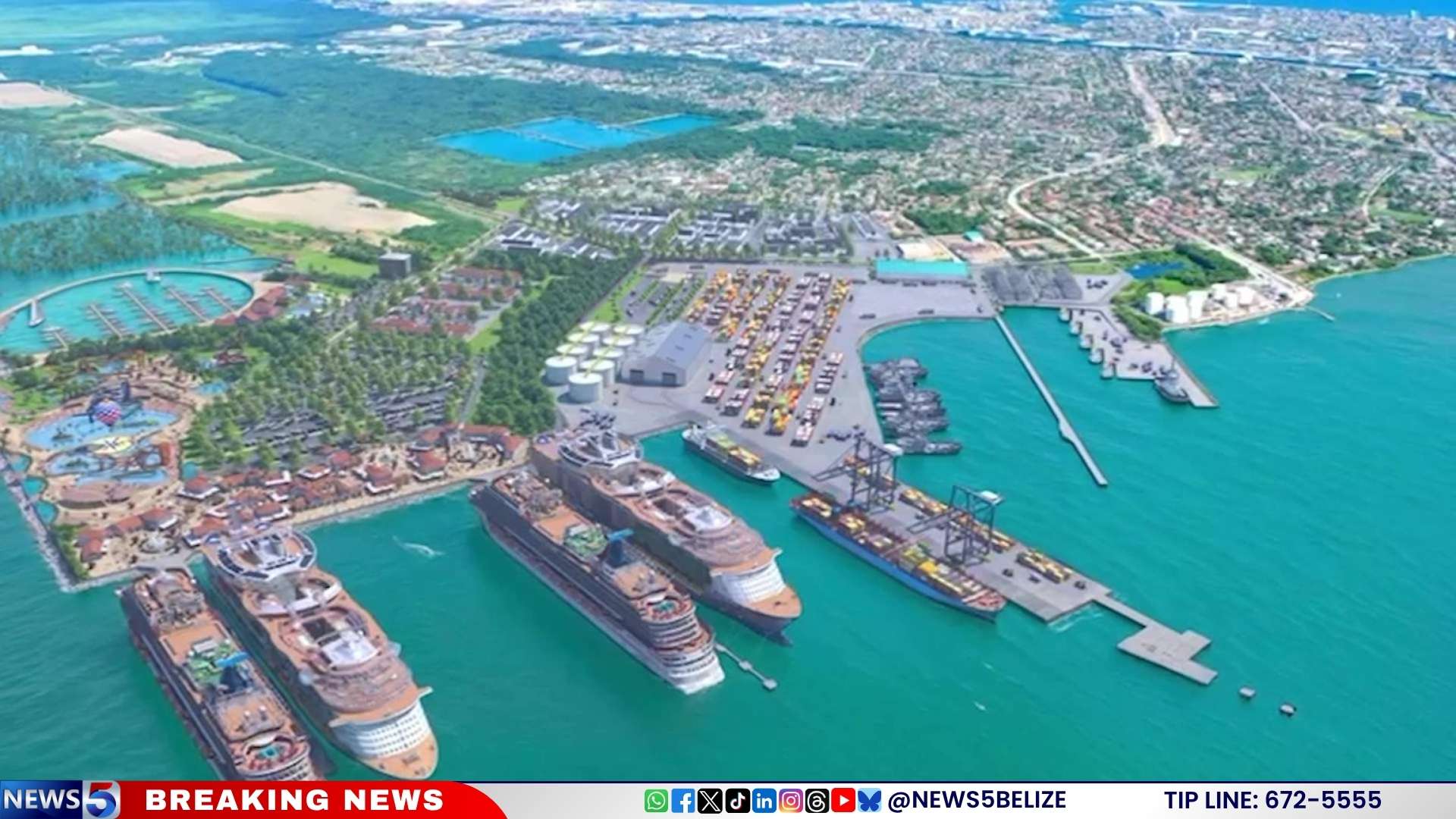
In a landmark decision announced on April 9, 2026, Belize’s Department of the Environment (DOE) has issued conditional environmental approval for the large-scale cargo expansion and cruise terminal development project led by Port of Belize Ltd., located in the Port Loyola district of Belize. This green light follows months of technical review and public consultation, marking a key milestone for what is expected to be one of the country’s most significant infrastructure investments in recent years. The project’s path to approval included rigorous evaluation by the National Environmental Appraisal Committee (NEAC), which convened on April 2 to conduct a comprehensive assessment of the project’s updated Environmental Impact Assessment (EIA). After careful examination of the revised technical documentation and thorough consideration of concerns raised by local communities and environmental stakeholders, the committee delivered a majority vote in favor of conditional approval, which the DOE formally adopted and communicated to the project developer this week. One of the most heavily scrutinized components of the project is the planned dredging work for the shipping access channel and vessel turning basin, a process that has long raised alarms over potential harm to Belize’s fragile coastal ecosystems. To address these risks, NEAC has laid out binding requirements that the developer must follow, including robust containment systems to control the spread of suspended sediment during dredging operations, installation of fit-for-purpose dewatering infrastructure, and categorized handling and disposal of all dredged materials based on their contamination level. Beyond dredging-specific regulations, the committee also flagged potential risks to water, terrestrial, and air quality across both the construction and long-term operational phases of the project. Of particular note is the developer’s proposal to use a newly created mangrove island as a disposal site for dredged material. To ensure this does not cause lasting ecological harm, NEAC has mandated that all construction of the island adhere to strict engineering and safety standards, with required long-term ecological monitoring to track the health and growth of mangrove and littoral forest habitats on site. In addition to stringent environmental protections, the approval includes a suite of social conditions designed to deliver tangible benefits to adjacent communities and mitigate local disruptions. These mandatory requirements cover everything from targeted traffic management plans to reduce congestion in Port Loyola to infrastructure upgrades for flood mitigation, a commitment to prioritize local hiring for project jobs, targeted support for local small business and entrepreneurship opportunities, and the creation of a formal, accessible grievance mechanism for community members to raise concerns throughout the project’s lifecycle. To formalize all these requirements, the DOE confirmed that a binding Environmental Compliance Plan will be finalized and signed by both the regulator and the developer in the coming weeks, outlining specific mitigation measures that will be legally enforced to minimize any adverse social and environmental impacts. Officials also emphasized that the 2026 EIA submission reviewed by NEAC includes substantial revisions that address gaps identified in earlier proposals, bringing the project into alignment with current national environmental standards before the committee’s vote.
DOE Grants Conditional Environmental Clearance for Port of Belize Expansion Project