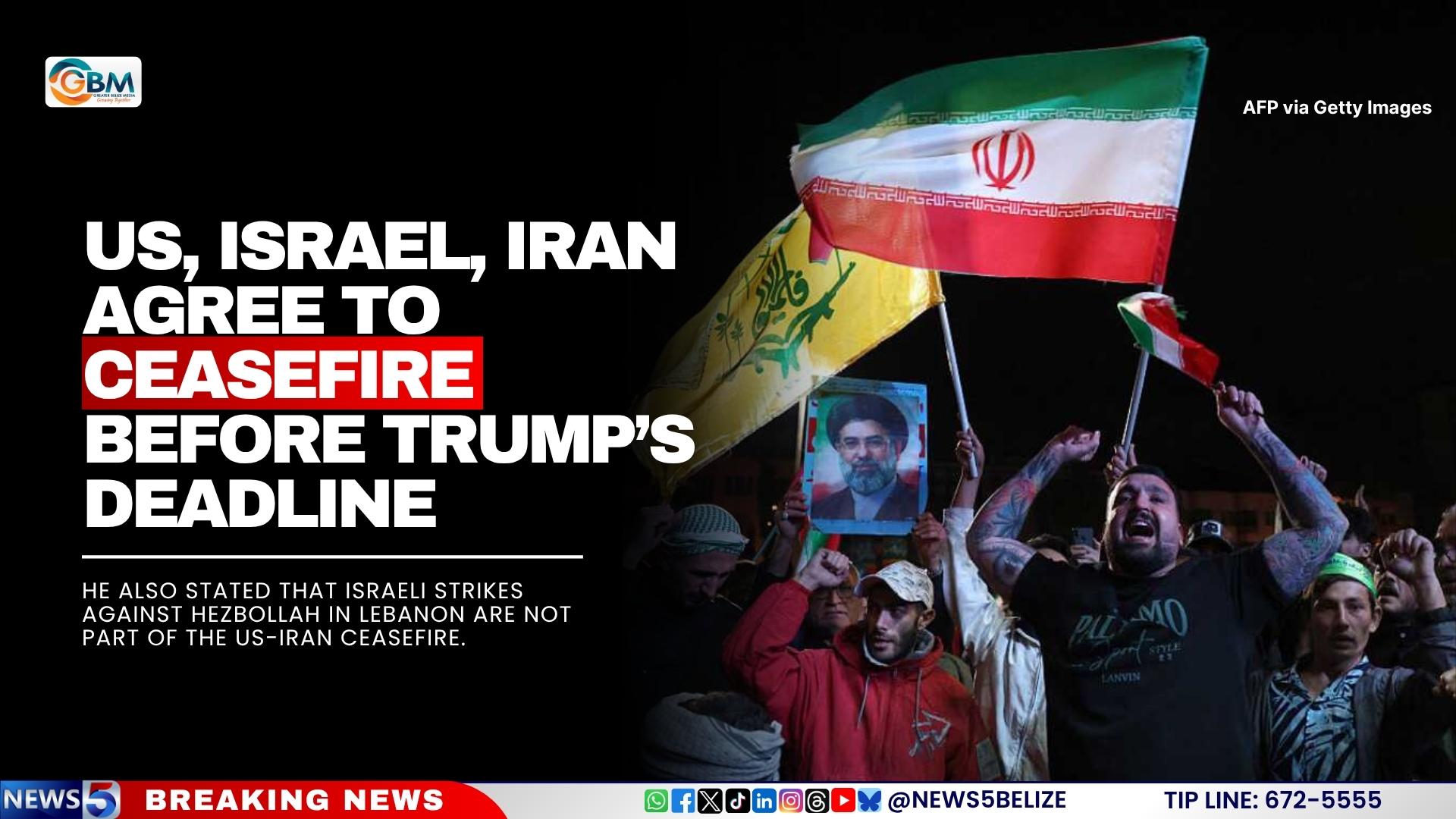
A fragile ceasefire agreement has been struck between the United States, Israel, and Iran, coming together just ahead of a self-imposed deadline set by former President Donald Trump, set to take effect across the volatile Middle East region. The deal, announced publicly in April 2026, hinges on a critical condition laid out by the White House: the two-week truce will only remain in place if the Strait of Hormuz stays open to unimpeded passage for commercial oil tankers.
According to Iranian state media reports, Iran had temporarily blocked all tanker traffic through the strategic waterway in retaliation for Israeli air strikes targeting positions in Lebanon. In the initial period following the ceasefire’s implementation, only two commercial oil tankers have successfully transited the strait, a key indicator that restrictions are only just beginning to lift.
Widely regarded as one of the most critical global energy chokepoints, the Strait of Hormuz facilitates the passage of nearly 20% of all global crude oil supplies, making even minor disruptions to traffic capable of sending shockwaves through international energy markets and driving up fuel prices worldwide. Any prolonged closure would risk widespread economic fallout across net energy importing nations in Europe, Asia, and North America.
White House Press Secretary Karoline Leavitt credited aggressive rhetoric from President Trump for pushing Iran to the negotiating table, saying his repeated strong warnings of severe consequences for Tehran if it refused to return to dialogue created the conditions for the truce to be finalized.
Despite the ceasefire agreement, Israeli Prime Minister Benjamin Netanyahu struck a cautious tone during a Wednesday address, confirming that Israel retains core military objectives targeting Iran and remains fully prepared to resume offensive operations if the terms of the truce are violated. Netanyahu also emphasized that Israel’s ongoing strikes against Hezbollah militant positions in Lebanon are not covered by the US-Iran ceasefire, leaving open the possibility of continued escalation in that theater.
In a follow-up announcement, the White House confirmed that Vice President JD Vance will lead a high-level US diplomatic delegation to Islamabad to hold direct negotiations with Iranian representatives, with the first formal round of talks scheduled to kick off this weekend. US officials also confirmed that American diplomatic teams held high-level consultations with the Chinese government during the ceasefire negotiation process, signaling broad global engagement to de-escalate regional tensions.