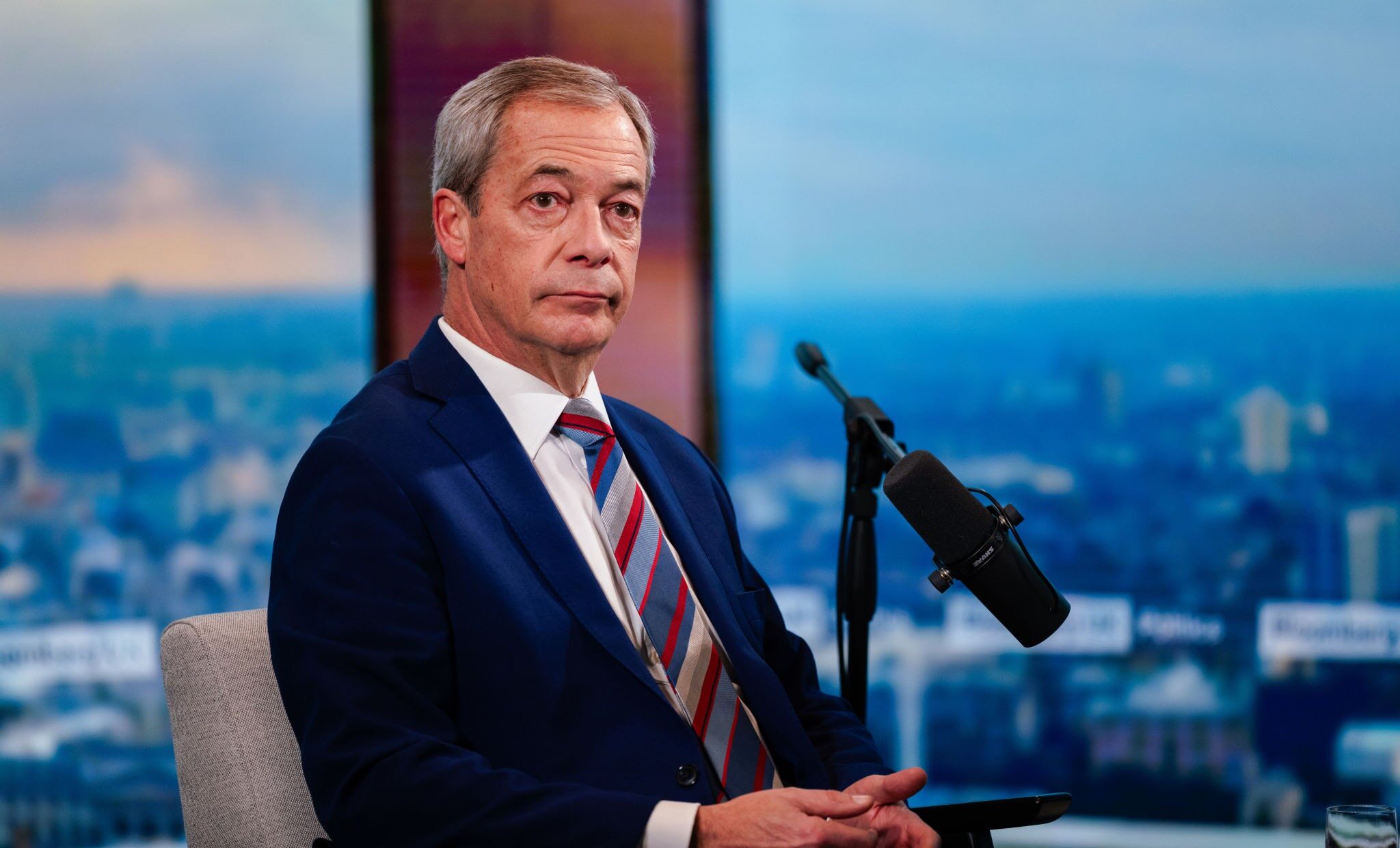
A sharp diplomatic and political dispute has erupted after Nigel Farage, leader of the UK’s Reform Party, announced a controversial policy proposal that would bar entry to the United Kingdom for citizens of nations demanding reparations for the historical atrocities of transatlantic slavery and indigenous genocide — a list that explicitly includes the Caribbean nation of Saint Lucia. The policy, released in an official party statement and amplified by Farage across his social media channels, has drawn fierce condemnation from Saint Lucia’s National Reparations Committee (NRC), which has labeled the stance short-sighted and rooted in historical hypocrisy. In a blistering official response, the NRC pointed out that countless current and former British political leaders, including Farage himself and other members of the UK’s ruling elite, have direct ancestral links to the transatlantic slave trade, a system that the United Nations has formally recognized as the worst crime against humanity in modern history. The committee also argued that Farage’s latest proposal is just one more addition to a decades-long political career built around stoking anti-immigrant sentiment and racial division, a pattern that stretches back to his time leading the UK Independence Party (UKIP), the key political force behind the successful Brexit campaign. Farage has long rejected the global push for slavery reparations, claiming that contemporary British citizens bear no financial or moral responsibility for atrocities committed centuries before their births. The NRC, however, framed Farage’s hostile visa proposal not as a reason to abandon the reparations fight, but as a catalyst to double down on global advocacy. The committee issued a call to action for people of African descent across the Caribbean and Commonwealth nations, urging them to strengthen the Caribbean Community (CARICOM)’s ongoing campaign to compel the UK to pay what activists term the “Black Debt” — reparatory justice for former British West Indian colonies. Committee leaders emphasized that reparations for centuries of slavery and indigenous genocide are drastically overdue, and the global community can no longer delay holding former colonial powers accountable. During a pre-cabinet press briefing held earlier this week, Saint Lucian Prime Minister Philip J. Pierre offered a measured response to the controversy, noting that aggressive rhetoric targeting former colonies is a common feature of far-right UK political platforms. Still, Pierre stressed that the nation would not back down from its demands for justice, stating: “We can’t lie down and die. We have to fight it.” The prime minister added that he remained hopeful the proposed policy would never be implemented, acknowledging that it would represent a deeply unfortunate escalation of tensions if the threat were carried out.