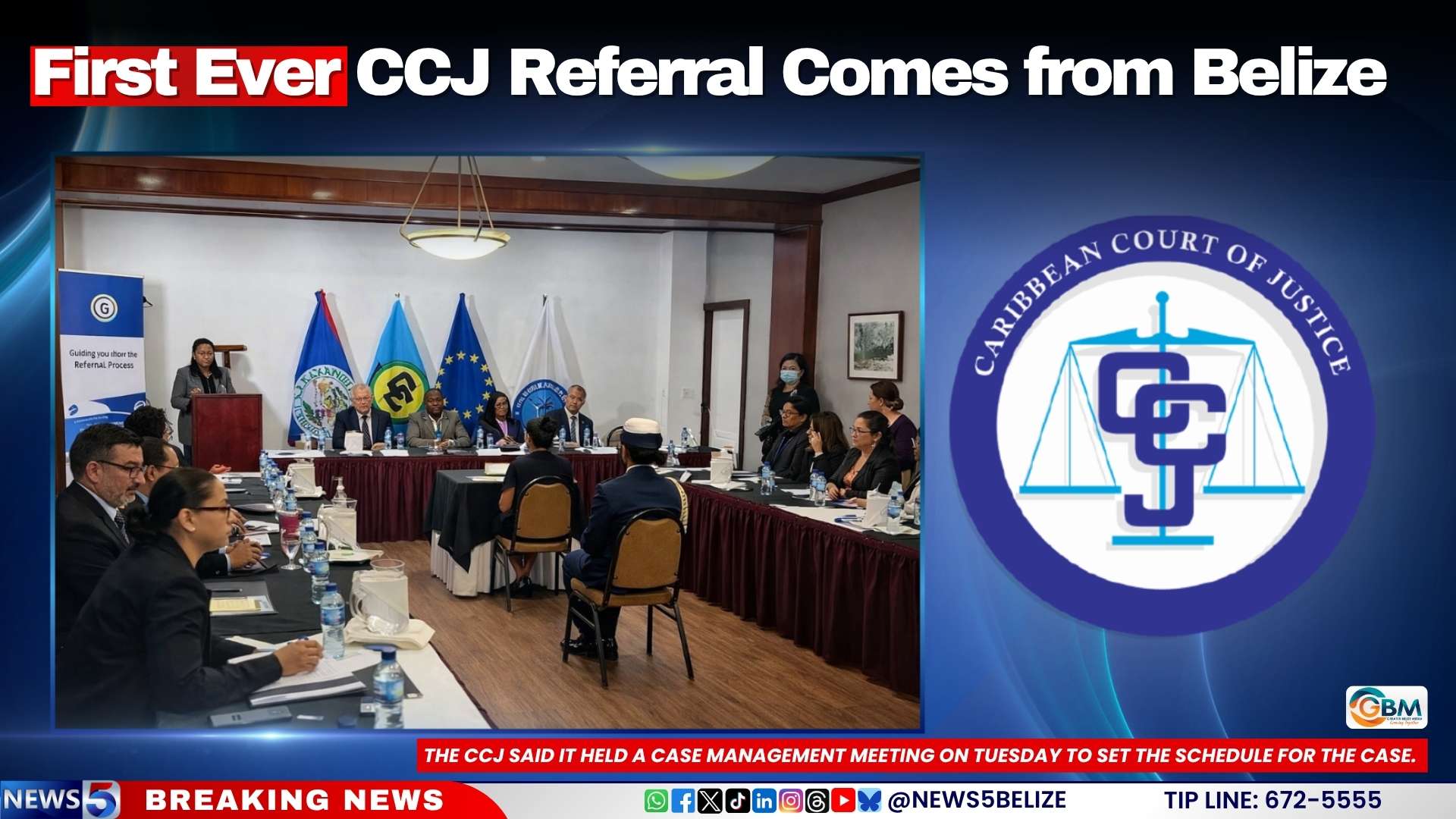
In a quiet development that reshape the landscape of Caribbean legal cooperation, the small Central American Caribbean nation of Belize has logged an unprecedented milestone for regional judicial integration. For the first time since the Caribbean Court of Justice (CCJ) established its formal jurisdiction, a national court from a CARICOM member state has activated the long-dormant referral mechanism to request the CCJ’s guidance on interpreting regional trade and corporate law.
The groundbreaking referral grows out of a high-stakes domestic business and constitutional dispute launched earlier by eight claimants, prominent among them local investor Anwar Barrow and Aquity Holdings Limited. The claimants have brought their challenge against two of Belize’s top government regulatory bodies: the national Financial Services Commission (FSC) and the Office of the Attorney General.
At the core of the legal conflict are two key grievances put forward by the claimants. First, they argue that the FSC incorrectly calculated and imposed a merger fee during the consolidation of 13 separate companies owned by the group. Second, they are challenging a long-standing government policy that mandates domestic corporations with foreign majority shareholders pay all regulatory fees exclusively in U.S. dollars. The claimants contend both actions violate fundamental constitutional guarantees, including their right to equal legal protection and freedom from discriminatory regulatory practices.
On March 3 of this year, the Belize High Court formally opted to send the unresolved questions of law to the CCJ for authoritative interpretation. The request for guidance covers provisions of Belize’s national Companies Act as well as CARICOM’s regional rules aimed at curbing anti-competitive business practices. Prior to this referral, no CARICOM member nation had ever utilized this formal referral process since the framework was established, marking a major turning point for regional judicial cooperation.
In a public statement released this week, the CCJ confirmed that it held a mandatory case management meeting this past Tuesday to outline procedural timelines and rules for the landmark dispute. The official hearing on the interpretation questions is scheduled to proceed on May 19, 2026, and will be conducted via video conference to accommodate legal teams based in Belize and the CCJ’s base in Trinidad and Tobago.
The CCJ further clarified its role in the process, emphasizing that it will only deliver a binding interpretation of the relevant laws, rather than a final ruling on the entire dispute. “Once the CCJ has given its interpretation, the proceedings are resumed by the referring court or tribunal, which will then apply the ruling to the facts of the dispute pending before it and deliver judgement,” the court explained in its official statement. The final outcome of the original constitutional challenge will therefore remain in the hands of the Belize High Court, once the CCJ has provided its critical legal guidance on the contested points of regional and national law.
Legal observers across the Caribbean have noted that this first referral sets a critical precedent for future regional judicial cooperation, potentially opening the door for more member states to utilize the CCJ’s resources to resolve complex cross-cutting legal questions that touch on both national and CARICOM rules.