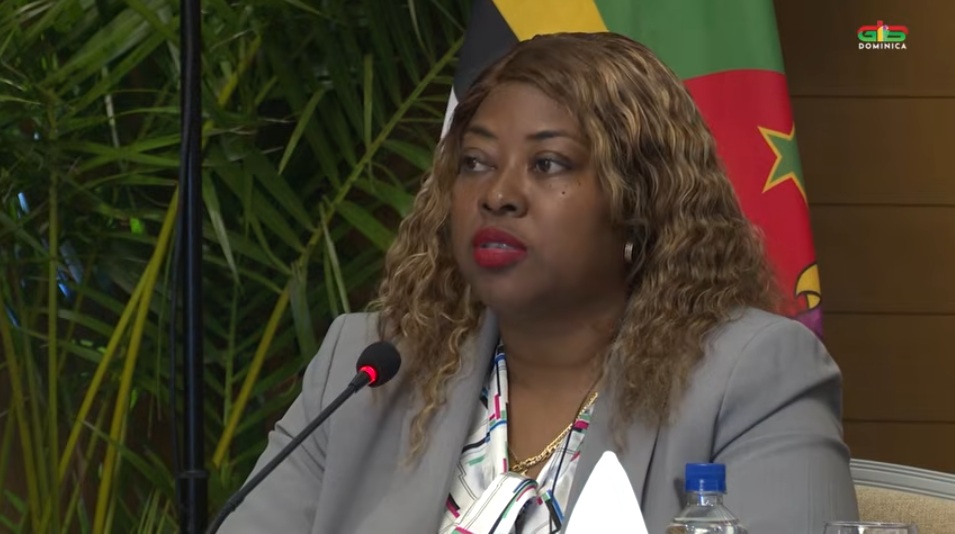
In a historic milestone for the small Caribbean island nation, Dominica is playing host to the 47th plenary Meeting of the Inter-American Telecommunications Commission (CITEL) for the first time in the commission’s history. The five-day gathering, which kicked off on April 6 and will run through April 10 at Portsmouth’s Intercontinental Hotel, has drawn official representatives from 32 member countries across the Americas, bringing regional connectivity and digital policy leaders to Dominica’s shores.
In her opening address to assembled delegates, Chekira Lockhart-Hypolite, Dominica’s Minister of State with responsibility for Telecommunications and Broadcasting, laid out the island nation’s dual framework of macro and micro technological priorities aligned with both regional collective goals and local national needs. A core pillar of Dominica’s macro agenda, she explained, is integrating advanced technology into disaster preparedness and national resilience efforts—an objective that directly ties to Prime Minister Roosevelt Skerrit’s groundbreaking vision to position Dominica as the world’s first climate-resilient nation.
“To build a scalable, rapidly responsive disaster communication strategy, we recognize that every innovative technology has a critical role to play in strengthening our disaster response capabilities,” Lockhart-Hypolite told attendees. Beyond climate resilience, the minister outlined targeted goals tailored to Dominica’s status as a small island developing state, chief among them supporting the ongoing Caribbean digital transformation initiative by cultivating a regulatory and economic environment that accelerates inclusive digital growth across the region.
Cybersecurity and citizen protection in digital spaces also top the nation’s priority list, Lockhart-Hypolite confirmed. The government is moving forward with plans to establish a dedicated national Cybersecurity Incident Response Team, she said, to detect and mitigate a wide range of threats—from extreme weather-related communication disruptions to malicious cyberattacks. The initiative will also be supported by updated national legal frameworks to safeguard digital user rights and data, paired with expanded international cooperation to enable cross-border information sharing and collective security enhancement with regional partner nations.
Looking ahead, the Dominican government is focused on creating a welcoming regulatory ecosystem to position the country as an early adopter and regional test bed for cutting-edge telecommunications innovations. Lockhart-Hypolite highlighted next-generation technologies including 5G network deployment, near-earth orbit satellite (NEOS) systems, direct device-to-device (D2D) communication, and the upcoming Wi-Fi 8 standard as key areas of interest for the nation.
These ambitious development goals require consistent, collaborative engagement with regional regulatory bodies and international partners, the minister noted, emphasizing that ongoing dialogue allows Dominica to learn from global best practices while ensuring the unique needs of small island states are centered in regional telecommunications policy. She closed her address by encouraging all participating delegates to engage in open, constructive, forward-looking discussions throughout the week, with the aim of strengthening collective regional capacity and advancing shared goals for more connected, resilient, and innovative telecommunications infrastructure across the Americas.