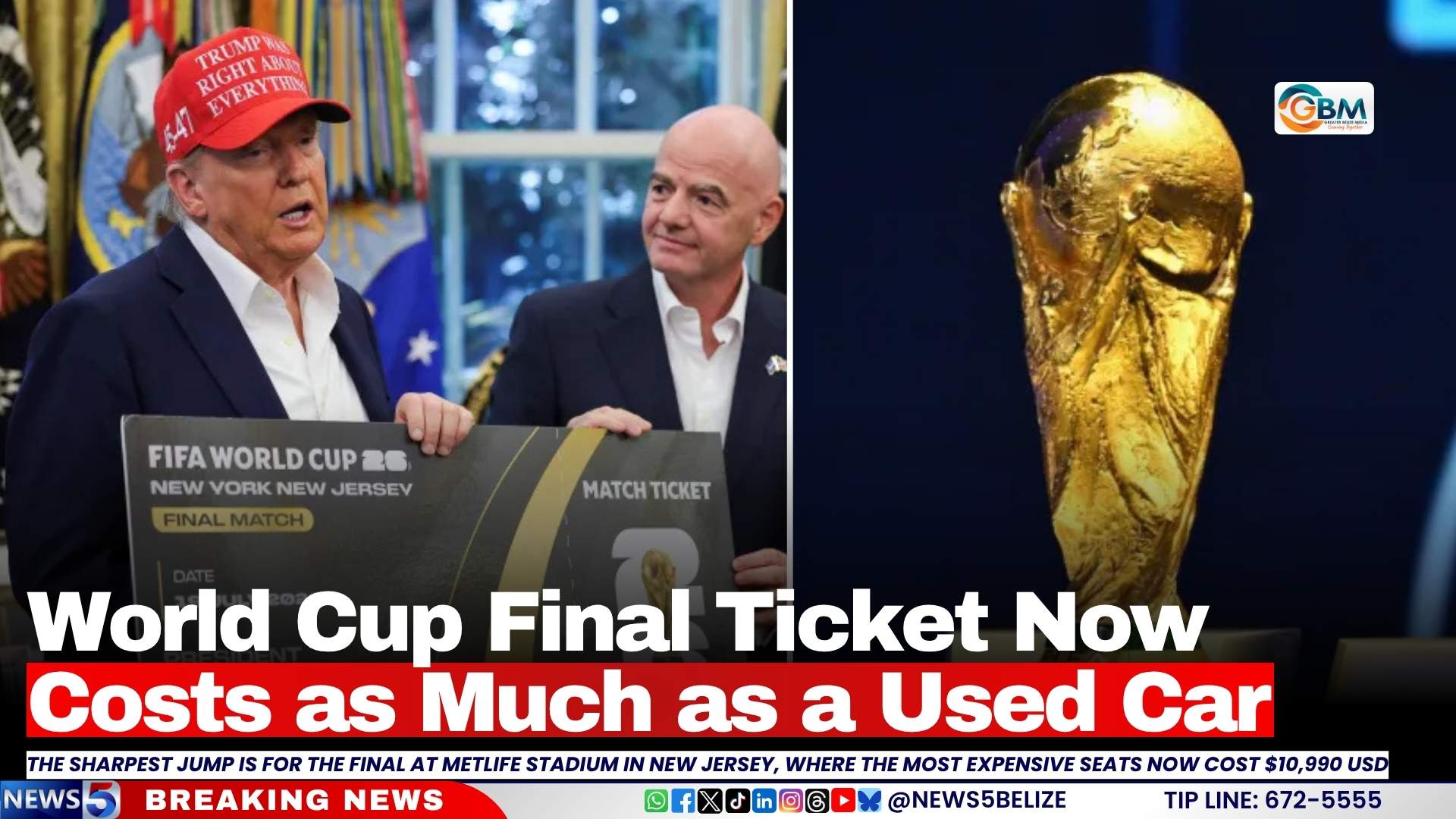
The 2026 FIFA World Cup, the expanded 48-team tournament co-hosted across 16 cities in the United States, Canada, and Mexico, is at the center of growing controversy just months before it kicks off, after new ticket price increases pushed the cost of premium final seats to levels comparable to the price of an affordable used vehicle.
When FIFA opened its third public ticket sales window on Wednesday, fans and analysts quickly noticed that prices for 40 out of the tournament’s total 104 matches had been lifted from the levels set in earlier sales phases. The most dramatic increase was recorded for the tournament’s decisive final match, hosted at New Jersey’s MetLife Stadium. The most expensive premium seats for the final now list at $10,990 USD, marking a 26% jump from the $8,700 USD price tag earlier this year, and a staggering 72% increase from the $6,370 USD price when sales first launched in 2025.
Price increases are not limited to the final alone. High-demand matches featuring fan-favorite national sides including Brazil, Argentina, England, Germany, and co-host Mexico have also seen notable markup. For example, Mexico’s opening group stage match against South Africa now carries a top ticket price of $2,985 USD, up from $2,355 USD in the previous sales round and $1,825 USD when sales launched last year.
FIFA has implemented this tiered, demand-aligned pricing strategy known as dynamic pricing, a model already widely used by commercial airlines, ride-hailing platforms, and live event promoters that adjusts ticket costs in real time based on consumer demand.
The steep price hikes have triggered intense backlash from fans and policymakers across North America and Europe. A pan-European fan advocacy group has officially submitted a formal complaint to the European Commission, labeling the new prices as “exorbitant” and out of reach for ordinary supporters. In the U.S., a group of Democratic lawmakers has publicly condemned FIFA, accusing the governing body of “price gouging at the expense of the people who make the World Cup the most-watched sporting event in the world.”
As of Thursday, FIFA had not issued any public response to questions about the latest round of price increases. However, in prior statements defending its pricing structure, the organization has argued that the dynamic model is necessary to adapt to market conditions in the three North American host countries, pointing to overwhelming global demand for tickets as justification for the adjustments. FIFA has also repeatedly stated that the vast majority of revenue generated from ticket sales is reinvested into developing soccer infrastructure and programs at the grassroots level across the globe.
Scheduled to run from June to July 2026, this iteration of the World Cup will be the largest in the tournament’s history, expanding from 32 to 48 competing nations and bringing matches to 16 host cities spread across the three North American co-host countries.