On April 2, 2026, the Federation of Saint Kitts and Nevis entered a transformative new phase in its pursuit of energy sovereignty and environmental sustainability with the official launch of the Green Energy Transition Demonstration Project. The launch ceremony, hosted at the St. Lucia Conference Room of the St. Kitts Marriott Resort in the capital Basseterre, gathered a cross-section of key stakeholders, international partners, and leading technical experts united by a shared goal of reshaping the Caribbean nation’s energy ecosystem.
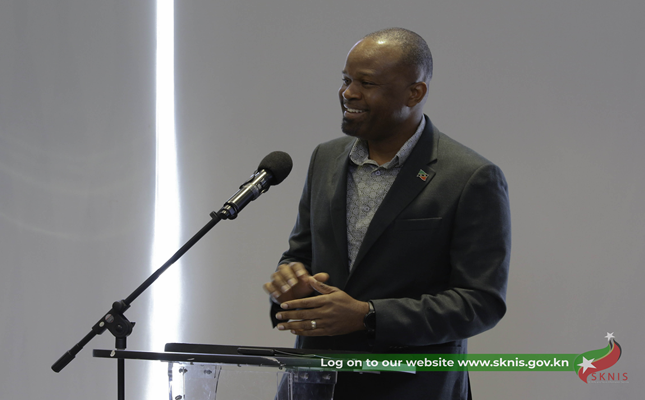
In his keynote address at the event, Minister Konris G. Maynard — who oversees the portfolios of Public Infrastructure, Energy and Utilities, Domestic Transport, Information, Communication, Technology and Post — framed the initiative as far more than an infrastructure development, emphasizing its far-reaching implications for national resilience, public welfare, and long-term prosperity.
“This project is not simply about installing new energy hardware,” Maynard explained. “It is about fundamentally transforming how we conceptualize, generate, store and manage energy to deliver consistent, affordable service to all our people. Today’s launch confirms the national direction we have set: one that prioritizes robust energy systems designed to drive climate resilience, environmental sustainability and inclusive long-term economic growth. In this work, it is critical that we not only introduce cutting-edge emerging technologies, but also integrate and steward them to meet the evolving needs of our energy and electricity sector. This demonstration project directly advances that mission.”
At its core, the initiative will deploy an innovative microgrid system at the St. Kitts Electricity Company (SKELEC) Transmission and Distribution Facility. The system integrates three advanced components: solar photovoltaic power generation, utility-scale battery energy storage, and intelligent, data-driven energy management technology. Officials project that the system will strengthen overall grid stability, reduce service disruptions to end-users, and create a flexible framework to scale up renewable energy adoption across both islands of the federation.
Maynard stressed that urgent investment in resilient energy infrastructure is not a policy choice for small island developing states (SIDS) like Saint Kitts and Nevis — it is an existential necessity. On the front lines of accelerating climate change, the nation regularly faces climate impacts that disrupt energy systems, while volatile global fossil fuel prices expose its economy to unpredictable external shocks outside its control.
“It is essential. It is a must. We are on the front lines of climate change. We face volatile fuel prices and external shocks beyond our control. Strengthening our energy systems, making them smarter, more flexible, and more resilient is one of the most important investments we can make in our future,” Maynard said. “Imagine if Saint Kitts and Nevis ran entirely on renewable energy today. We would never need to worry about sudden spikes in household electricity costs.”
The minister also highlighted the foundational role of the longstanding collaborative partnership between Saint Kitts and Nevis and the Republic of China (Taiwan), noting that the project is a tangible outcome of the two parties’ shared commitment to climate action, innovative development, and mutual respect.
Beyond physical infrastructure, the project includes a deliberate focus on building local workforce and institutional capacity. Through targeted training programs and ongoing technical exchange, the initiative ensures that the specialized knowledge and skills required to operate and maintain these advanced energy systems will stay within the federation, supporting long-term self-sufficiency.
Looking forward, Maynard positioned the demonstration project as the first step in a sweeping national energy transformation that will cement Saint Kitts and Nevis’ reputation as a regional leader in just clean energy transition. He pointed to SKELEC’s recent call for proposals for a landmark 50-megawatt solar photovoltaic and battery energy storage project planned for the Basseterre Valley Aquifer as the next major milestone in this journey, expressing confidence in the nation’s progress.
“Our goal is a future where every citizen has access to reliable, affordable, sustainable energy — a future we are building together through intentional, collective, confident action,” Maynard added.
For the small Caribbean nation, the launch of the Green Energy Transition Demonstration Project marks a bold, forward-thinking step that aligns energy security, price affordability, and environmental stewardship to deliver tangible improvements to the quality of life for all residents of Saint Kitts and Nevis.