Tensions around U.S. policy toward Cuba have escalated in recent days after former President Donald Trump dropped a cryptic hint about potential new U.S. action against the island, at the same time that the Caribbean community mobilizes to deliver life-saving humanitarian aid to a country reeling from severe American sanctions.
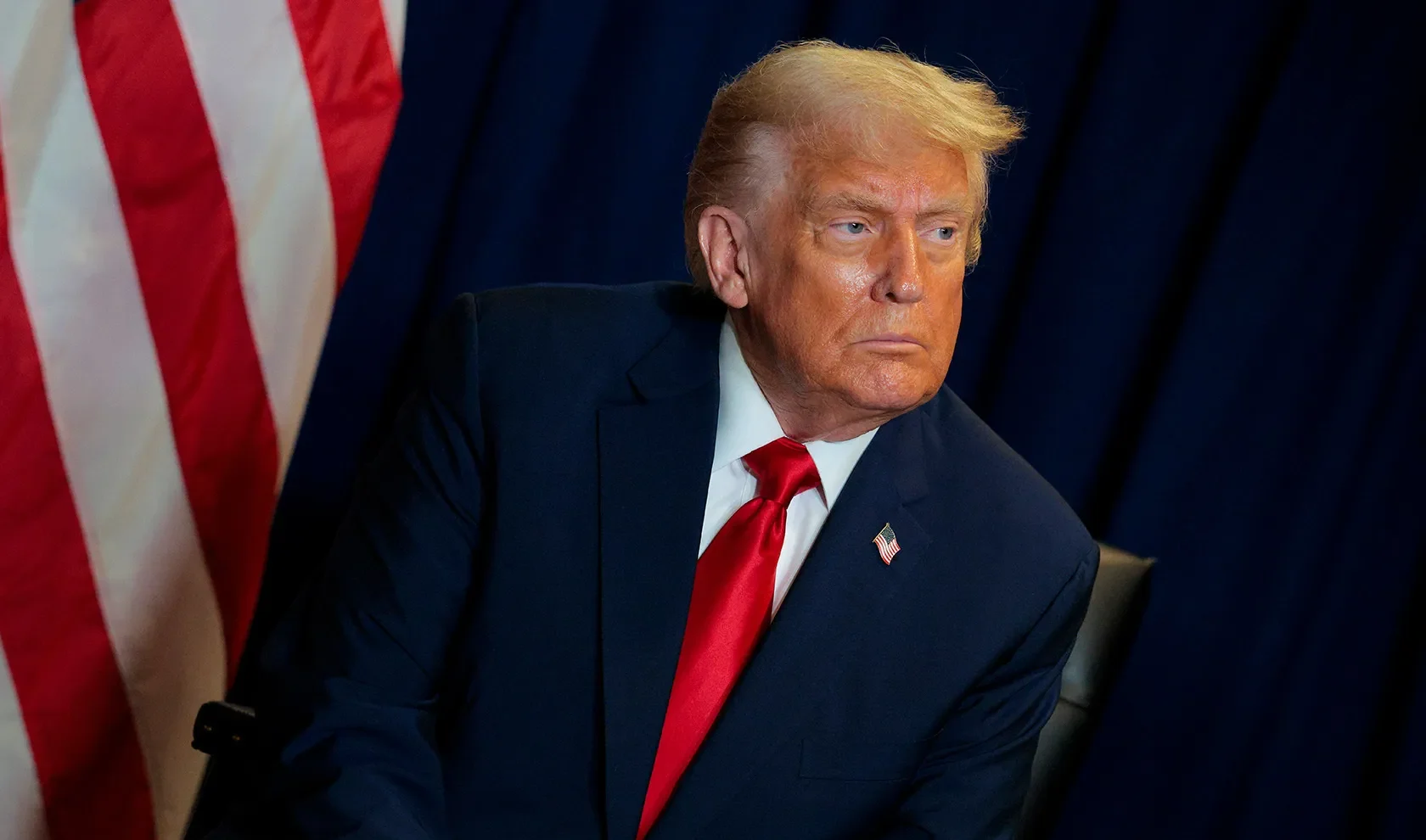
Speaking at the Future Investment Initiative summit hosted in Miami on March 27, Trump touched on Washington’s ongoing military and diplomatic posture toward neighboring Venezuela, when he offhandedly added the comment that sent shockwaves through regional policy circles. “We have been very, very successful. You know, when I went into Venezuela… I built this great military, I said, you’ll never have to use it, but sometimes you have to use it,” Trump told attendees. Before stepping away from the remark, he added, “And Cuba’s next, by the way, but pretend I didn’t say that, please.”
The comment arrives against a backdrop of escalating U.S. economic pressure on Cuba that has been squeezing the island’s economy since early 2026. Washington moved to cut off Venezuela’s longstanding oil exports to Cuba that year, and has since issued formal threats to impose punitive tariffs on any third-party country that chooses to supply crude oil to the Caribbean nation. Because Cuba’s national energy infrastructure is almost entirely dependent on imported fuel to power electricity grids and transportation networks, these restrictive measures have triggered widespread fuel shortages, rolling national blackouts, and cascading economic disruptions that have worsened living conditions for millions of Cuban residents.
Just last week, one Russian-flagged tanker carrying an estimated 730,000 barrels of crude oil was permitted to dock and unload its cargo at Cuban ports. But the White House moved quickly to clarify that the exception did not signal a shift in Washington’s hardline policy toward the island. White House Press Secretary Karoline Leavitt confirmed to reporters that the sanctioned vessel was granted approval to deliver the shipment solely on humanitarian grounds, and that future cases of this nature would be evaluated and decided on an individual, case-by-case basis.
As U.S. policy remains firmly anchored in pressure, regional governments have moved to coordinate a collective humanitarian response to address the growing crisis on the island. Member states of the Caribbean Community (CARICOM) began mobilizing relief efforts last week, with the initiative coordinated through the CARICOM Secretariat based in Georgetown, Guyana. The relief package will include a wide range of urgently needed supplies: powdered milk, non-perishable staple goods including beans, wheat flour, rice and canned foods, basic essential medical equipment, renewable energy infrastructure such as solar panels and storage batteries, and water storage tanks to address widespread access gaps. Member states are collectively funding the purchase of these supplies, which are then prepared for shipment to Cuba. The entire effort has received backing from the government of Mexico, which has pre-vetted local Mexican suppliers capable of delivering the requested goods to departure ports, and will cover all costs of shipping the humanitarian cargo from Mexico to Cuban ports at no charge to the initiative.