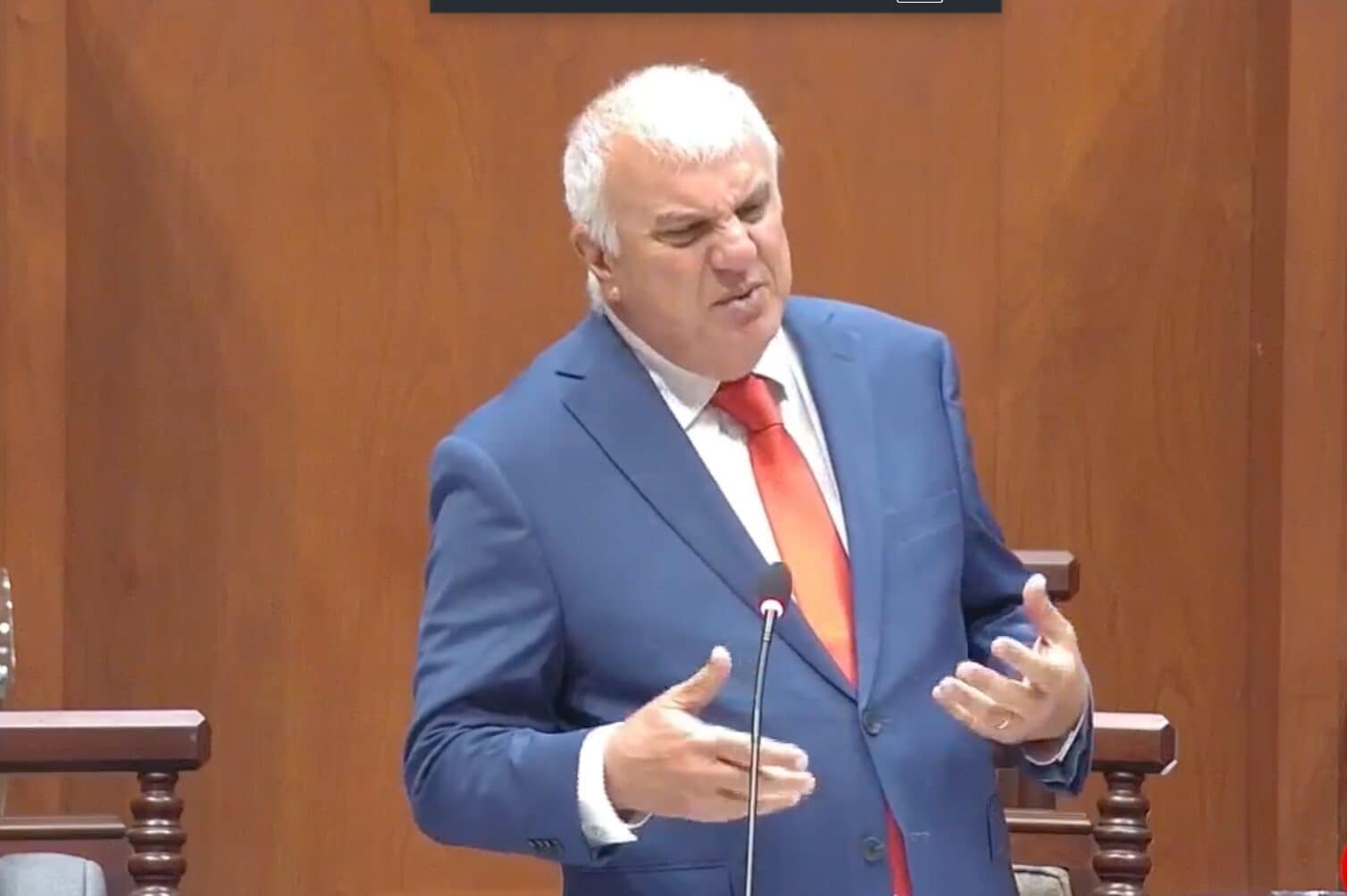
During a pivotal Tuesday Senate debate ahead of the expected final parliamentary sitting before dissolution, Senator Phillip Shoul has stepped forward to vigorously defend the Antigua and Barbuda government’s controversial decision to acquire a cutting-edge performance stage, pushing back against detractors who have framed the expenditure as a misallocation of public funds. Shoul dismissed opposition criticism of the investment as narrow-sighted, arguing that upgrading the nation’s entertainment infrastructure is a non-negotiable step for Antigua and Barbuda to remain competitive in the global tourism and events market. The debate centered on the 2026 Antigua and Barbuda Festivals Commission Bill, a piece of legislation designed to formalize the governance and management of the country’s flagship Carnival celebration and other major cultural events. According to Shoul, the widespread backlash to the stage purchase is far from an isolated concern—it fits a larger pattern of the opposition reflexively pushing back against every government-led development initiative, without offering constructive policy alternatives of their own. “We bought a brand new stage, a state-of-the-art stage,” Shoul told the upper chamber, noting that critics quickly seized on the purchase to claim it was diverting critical resources away from basic “bread and butter” needs of ordinary citizens. The senator outright rejected that framing, emphasizing that strategic infrastructure upgrades are the foundation of long-term economic growth. Echoing a mantra of bold investment, he stated “You go big or you go home,” adding that the prime minister has consistently encouraged private sector event operators to invest in upgrading their own offerings to match the government’s ambitions. Shoul stressed that the new stage acquisition aligns with a sweeping government effort to modernize the entire festivals and entertainment sector, warning that the country cannot afford to stall progress while waiting for every stakeholder to complete upgrades at their own slower pace. “If you’re coming to the party, you’ve got to come good. If not, we can’t wait for you,” he remarked, making clear that the government must push ahead with necessary improvements even if some segments of the local events industry lag behind in their own upgrades. Turning to the track record of government investment in entertainment over recent years, Shoul pointed to the “significant improvement” in Carnival and connected events over the past four to five years, crediting structured, intentional planning and the involvement of seasoned industry professionals for these gains. He highlighted the resounding success of high-profile events such as the One Nation concert as proof that public investment in culture and entertainment delivers tangible positive results, even when those projects faced fierce criticism in their early stages. “That does not come by accident,” Shoul argued, noting that rising participation in major events reflects both a strengthening local economy and more strategic, professional event organization. The senator repeatedly took aim at the opposition’s approach to governance, accusing lawmakers of rejecting every government proposal without putting forward viable alternative plans. He noted that opposition objections often persist even after initiatives have clearly demonstrated their success, saying “You’re not coming here to say what changes you would like to see. You’re coming here to say you cannot support the bill.” Shoul warned that this unconstructive oppositional stance poses a real risk of undermining national progress, particularly in core sectors like entertainment and tourism that drive economic activity across dozens of connected industries. The senator also drew a clear line between investment in festival development and broader, inclusive economic gains for all Antigua and Barbuda residents. He explained that large events like Carnival deliver widespread benefits that extend far beyond the entertainment sector, boosting business for taxi operators, hotels, restaurants, equipment rental firms, and small local entrepreneurs across the country. “When you level up… the benefits [flow] to the people of Antigua and Barbuda,” he said, pointing to increased consumer spending and extended tourism seasons directly tied to upgraded festivals and major events. In his remarks backing the Festivals Commission Bill, Shoul emphasized that formalized structure and strong governance are critical to sustaining long-term growth in the cultural sector, arguing that placing qualified, experienced individuals in key leadership roles directly leads to better outcomes for the entire country. “Things have to be structured. If they’re not structured… they don’t work,” he told fellow senators. Shoul also pointed to past government policy reforms, including major overhauls of the country’s tourism sector, as precedent for the current approach. Those reforms, he noted, faced similar initial pushback from critics but ultimately delivered widespread, lasting economic benefits to the nation. Closing his address to the Senate, Shoul expressed unwavering confidence in the current government’s development strategy, noting that recent administrative reforms have already improved public sector efficiency and service delivery for residents. “These are the changes… to ensure that things in this country become structured,” he said, predicting that continued progress will follow if the government’s current policy approach is maintained. The debate over the Festivals Commission Bill comes as the Senate prepares for what is widely expected to be its final sitting before the dissolution of the current Parliament, setting the stage for upcoming national elections.
Senator Phillip Shoul Defends Government’s Purchase of Stage, Says ‘You Go Big or You Go Home’