Antigua and Barbuda’s agricultural sector is poised for a transformative leap with the imminent launch of a state-of-the-art tissue culture laboratory. Spearheaded by Agriculture Minister Anthony Smith Jr., this facility represents a strategic investment in revitalizing the nation’s iconic black pineapple industry and bolstering overall food security.
The core innovation lies in achieving domestic self-sufficiency for disease-free planting materials. Minister Smith highlighted a critical historical challenge: “One of our obstacles was the absence of a local tissue culture lab,” necessitating the costly and time-consuming process of sending plant samples abroad for propagation. This new infrastructure eliminates that dependency, drastically accelerating crop expansion timelines.
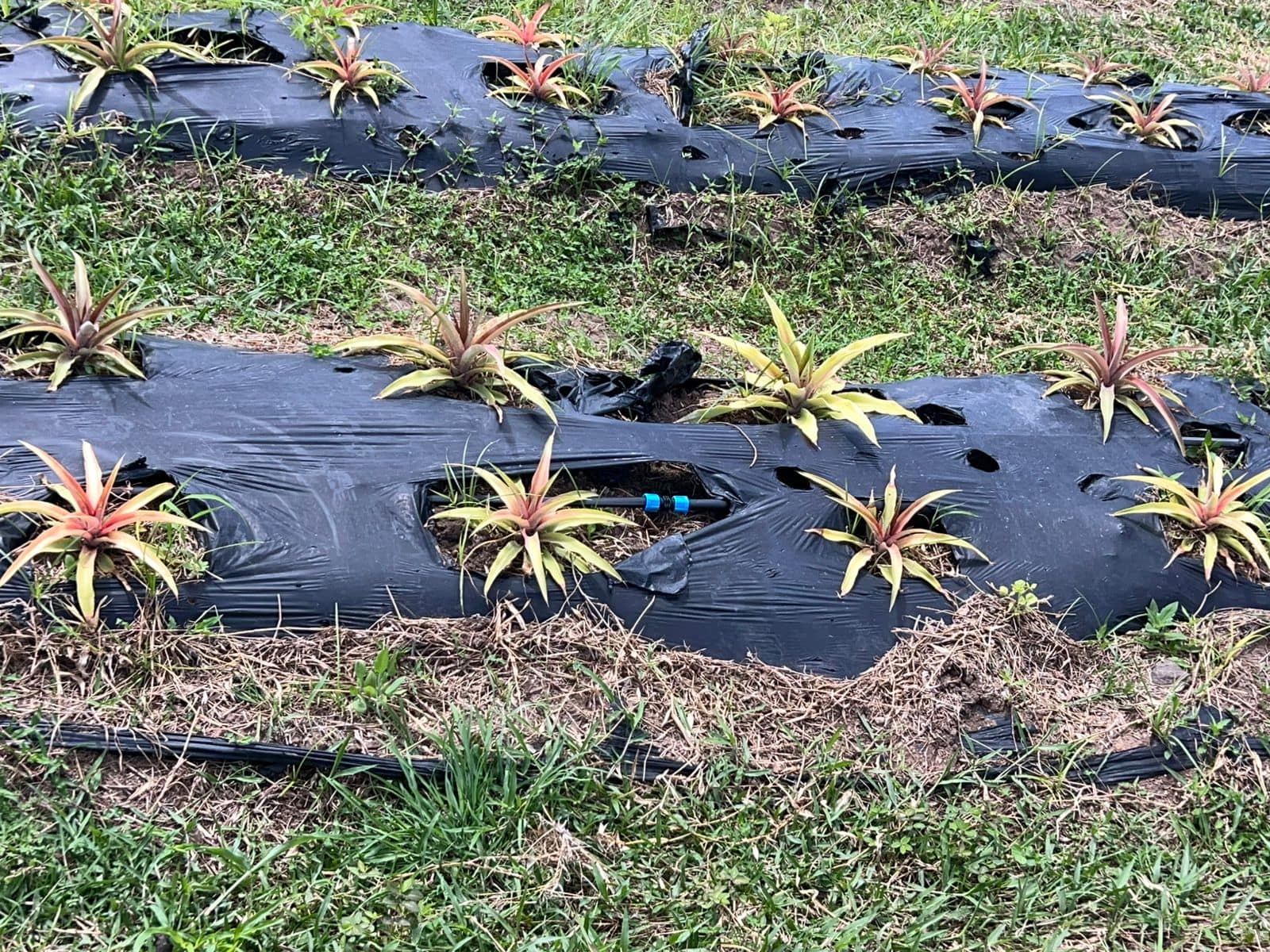
Production scaling is already underway with an ambitious roadmap. The initial batch of 15,000 plants is actively circulating, with an immediate goal of reaching 100,000 specimens from the lab. Minister Smith confirmed subsequent shipments are en route, outlining a long-term vision to cultivate nearly 200,000 plants, signaling a massive ramp-up in domestic pineapple output.
Although the project’s inauguration experienced a minor delay from its original schedule, it is now in the final stages of completion. “The launch, initially set for this month, has been rescheduled for next month,” Smith stated, indicating the project is nearing operational status.
This initiative is hailed as a paradigm shift where advanced biotechnology converges with traditional farming. “It’s where science meets agriculture… a crucial integration for progress,” Smith emphasized, underscoring the lab’s role in enhancing both crop quality and yield.
While the renowned Antigua black pineapple holds significant export potential, the government’s primary focus remains on fulfilling domestic demand. This strategy is integral to a broader national agenda of curbing food imports and fortifying local food sovereignty, making the laboratory a cornerstone of the country’s agricultural and economic resilience.